
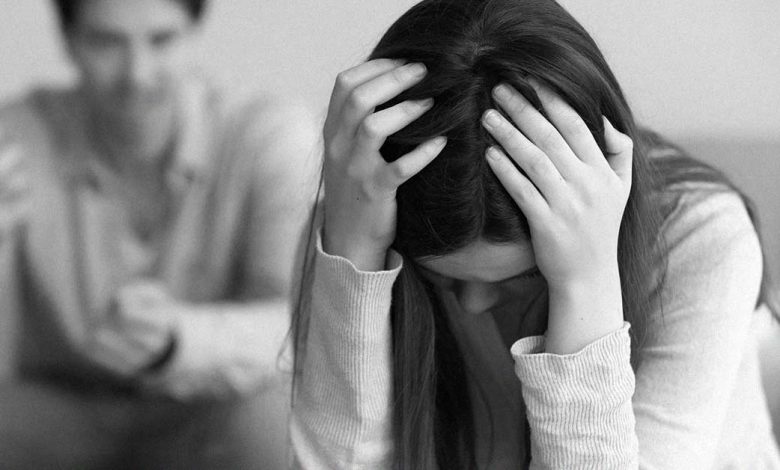
Healing is a necessary yet complex process that a victim of abusive relationships should undergo. It may help in breaking the cycle of re-entering abusive relationships.
According to Psychology Today, several theories explain why “just leave” may not be an option for those who have been exposed to abusive relationships. However, victims of gender-based violence need to leave an unhealthy relationship.
Professor (Prof.) Hayley Walker-Williams, a practising clinical psychologist and deputy director of the North-West University (NWU) School of Psychosocial Health, says healing and providing therapeutic support are critical points to focus on when a victim leaves such a relationship. Through this process, the victim can change their life narrative from that of a victim to a survivor.
To do this, a survivor must heal and make meaning of their trauma and, with support, create a post-trauma identity,
Facilitating and creating supportive spaces are one of the ways we can help the victims. Through a supportive environment, survivors can tell their stories with acknowledgment and belief, without being fearful. The spaces should enable them to acknowledge how powerless they might have felt and that their reactions were normal.
Walker-Williams says they can start to restore their power through the spaces, make a new sense of life and re-establish themselves.
The survivors should also be seen as being “in the driver’s seat” of their healing journey. “Support groups are also very beneficial. They can be a vehicle for healing, where women can witness similar experiences and so encourage and support.”
She appeals to communities to encourage healthy relationships, where people can feel safe and respected, as abuse is a human rights violation.
According to Teen Health Care, an intergenerational cycle of violence plays a role in the possibility of a person entering abusive relationships. When children grow up in an abusive home, their first model of love may include violence. This is a great concern as it may result in them becoming a victim or perpetrator. They could grow to view violence as a normal part of any relationship. Being exposed to domestic violence does not automatically mean the child will be in abusive relationships. However, it is crucial to break this kind of inter-generational cycle.
She further suggested we engage in conversations about gender inequality, educate victims on their rights and end toxic silence.
The process may not be easy, but small changes can make a big difference.