Sporting dream comes true for kidney transplant heroes
Thanks to kidney transplants, Velile in 2010 and Lebohang in 2009, both their lives have since improved dramatically and they are living their second chance at life to the full as Protea athletes.
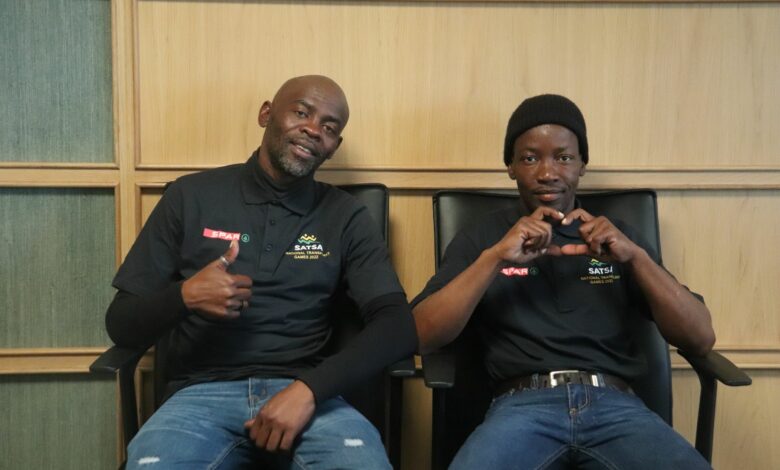
More than a decade ago, South African World Transplant Games athletes, Velile Dube (44) and Lebohang Moabeng (36) were living a death sentence.
Both had kidney failure and were on dialysis machines and in urgent need of a kidney transplant in order to live a healthy normal life.
Thanks to kidney transplants, Velile in 2010 and Lebohang in 2009, both their lives have since improved dramatically and they are living their second chance at life to the full.
They are Protea athletes from the South Africa Transplant Sports Association having competed at the prestigious World Transplant Games – the Olympics for people who have received heart, lung, liver, kidney, pancreas, stem cells and bone marrow transplants.
The South Africa Transplant Sports Association is an Affiliated Member of the South African Sports Confederation and Olympic Committee (SASCOC). Athletes are also awarded SA Protea colours. The association was established in April 1994 and has been to every World Transplant Games since 1995.
Velile and Lebohang visited Potchefstroom Mediclinic on Tuesday, 15 August with a message of hope and inspiration and to create awareness on the importance of organ and tissue donation.
They are living testament of the positive effect that organ donation can bring to those who desperately need it.
Both these athletes are currently preparing for the 2023 World Transplant Games that will take place in Perth, Australia in April.
Velilie will compete in Petanque, whilst Lebohang will participate in 5km walk, long jump, petanque and ball throw.
“It’s a dream come true for me to be able to compete in sport on an international stage. I’ve been to Argentina, Spain and England to compete in these Games. My favourite item is definitely the 5km walk,” stated Lebohang with a smile.
“I used to do sport before getting sick. When I got my second chance with the kidney transplant, it was like winning the lottery,” enthused Velile, who has won a silver medal at the World Transplant games in Petanque.
Velile remembers that his kidneys had stopped functioning normally in 2004. He was on dialysis machines and states that he had no real life.
“You struggle to pass urine. You can’t go anywhere, and you generally feel terrible. I had to visit the dialyses centre daily and had no social life. Since my transplant on 23 November 2010 life has been amazing. I can eat and drink normally again. I have a wife and kid,” he added.
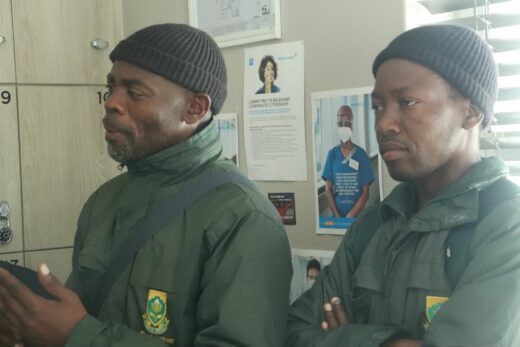
Lebohang also knew that he had to stay strong and hold on to hope that he would get a kidney transplant. That glorious day came on 5 April 2009 after five years of sickness.
“I wish that awareness of organ donation can be put in the spotlight. Not only in August in the awareness month, but the whole year. It has to be similar to the HIV/AIDS awareness campaigns that are taught at schools. Awareness is key,” emphasised Lebohang.
Vilile also added that a lot of people should not take their organs for granted.
“It is vital to take care of your kidney. To drink enough water and too eat correctly. For organ transplant receivers the best thing is to stick to the prescribed diets and to take the suppressive medication as prescribed. You have to take care of your second chance.”