
We cannot stay silent as men
Our boys need father figures and community leaders who will show them what responsible manhood looks like.
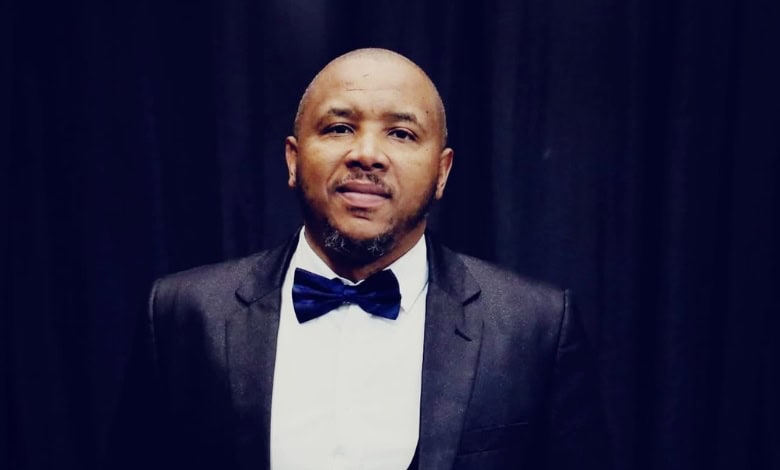
Glenville Boeda Fransman writes:
Today, I write this letter to all men in South Africa with tears in my eyes and deep pain in my heart, following the brutal murder of the eight-year-old girl in Ikageng.
As a father and a fellow human being, I cannot help but think it could have been my child. No child should ever have to face such unimaginable violence, and no family should ever have to endure such devastating loss.
We stand in solidarity with leaders and organizations like springbok captain who stated that we as men are the problem and we need help. South Africa’s gender‑based violence (GBV) and gender‑based violence and femicide (GBVF) statistics for 2026 reflect a severe and persistent national crisis. In early 2026, South Africa recorded 9,782 rapes and 12,590 sexual offences between January and March, contributing to 50,511 GBVF cases reported for the 2025/26 year, of which 30,736 led to arrests or NPA referrals.
In South Africa, nearly 80% of people we lose to suicide are men. A big reason is that men rarely speak up when they’re drowning. Stress often shows up as anger, extreme fatigue, or just pulling away from the family. Men face unique challenges that make mental health a critical concern. men account for most suicide deaths, highlighting a silent crisis in male mental health. Mental health struggles in men often manifest differently than in women, with externalizing behaviours such as anger, risk-taking, or substance misuse rather than overt sadness or depressive symptoms.
There comes a time when silence is no longer an option
Across South Africa, women and children continue to live with the devastating reality of gender-based violence, abuse and femicide. Behind every statistic is a mother, daughter, sister, wife, grandmother or child whose life has been changed forever.
As men, we cannot continue to look at this crisis as someone else’s problem. GBV is not a women’s issue. It is a human issue, a community issue and a moral issue. Men must stand up and say clearly: Enough is enough. Standing against gender-based violence begins with recognising that violence does not start with murder. It can begin with controlling behaviour, humiliation, threats, intimidation, emotional abuse, sexual abuse, financial control and the belief that a man has the right to dominate a woman.
We must challenge these attitudes before they become violence. We must raise boys differently. The fight against GBV begins in our homes. We must teach our sons that being a man is not about controlling a woman, proving physical strength, or demanding obedience. True manhood is demonstrated through respect, responsibility, self-control, compassion and accountability.
Our boys need fathers, grandfathers, uncles, coaches, teachers, pastors and community leaders who will show them what responsible manhood looks like. We must teach young men that rejection is not humiliation, disagreement is not disrespect, and anger is never an excuse for violence.
Men must speak to men
Sometimes the most important conversation about GBV happens between men. When a friend makes degrading comments about women, we must challenge him. When a colleague jokes about rape or violence, we must not laugh along. When we know that someone is abusing his partner, we must not protect him because he is our friend, relative or church member.
Brotherhood must never mean protecting a perpetrator from accountability. Real brotherhood means having the courage to say, “What you are doing is wrong, and you must stop.”
Our communities must refuse to look away. We cannot build safe communities while ignoring violence happening behind closed doors.
Churches, schools, community organisations, traditional and community leaders, government institutions and civil society all have a role to play. We need safe spaces where victims can seek help without being blamed, shamed or silenced. We must also ensure that survivors know where to find support and that allegations of violence are reported to the appropriate authorities.
We must believe that prevention is everyone’s responsibility
Men can become part of the solution; every man has a choice. We can remain silent, or we can speak. We can ignore abusive behaviour, or we can challenge it. We can teach our sons the same harmful attitudes passed from one generation to another, or we can break the cycle.
We can walk past someone in distress, or we can offer support and help them reach the appropriate services. Our communities need men who understand that strength is not found in violence. Strength is found in self-control. Strength is found in protecting life. Strength is found in accepting responsibility. Strength is found in treating women and children with dignity.
Let us build a different legacy – The question we should ask ourselves is not only, “What is government doing about GBV?” We must also ask: What am I doing? What am I teaching my sons? What example am I setting?
The fight against GBV and femicide will require laws, effective policing, justice, support services and strong institutions. But it will also require something that starts much closer to home: men choosing to become part of the solution.
Real men do not harm women and children. Real men protect dignity, respect life and take responsibility.
Our silence must not become another victim.