How to vote in the municipal elections
Municipal elections give residents the opportunity to choose the political parties and representatives who will serve on their municipal councils and help shape the future of their communities.
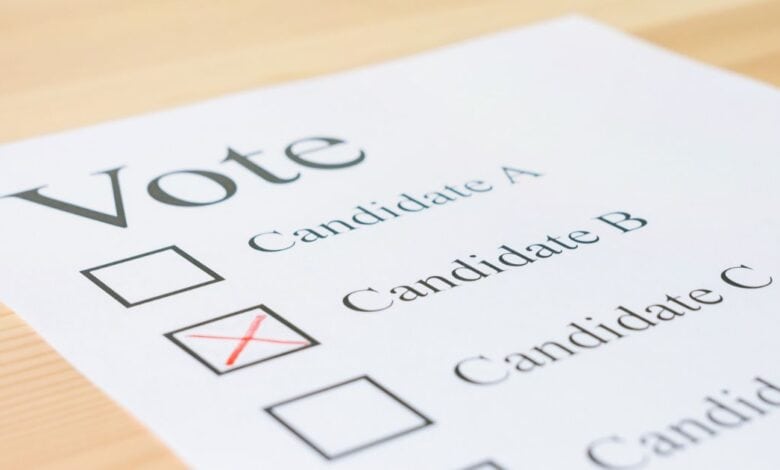
With the municipal elections approaching, voters are encouraged to familiarise themselves with the voting process and understand the different ballot papers they will receive on election day.
Municipal elections give residents the opportunity to choose the political parties and representatives who will serve on their municipal councils and help shape the future of their communities.
Elected councillors are responsible for representing residents, addressing community needs and overseeing the delivery of essential services, including water, electricity, sanitation, transport and refuse removal. They also oversee the implementation of municipal by-laws.
However, the number of ballot papers voters receive depends on whether they live in a local municipality or a metropolitan municipality.
Voters living in local municipalities will receive three ballot papers, while those living in a metro will receive two.
Three ballot papers for local municipalities
Voters living in smaller cities and towns outside South Africa’s eight metropolitan municipalities will receive three ballot papers on election day.
Each ballot paper serves a different purpose.
The yellow ballot paper is used to vote for a political party to represent the voter on the Local Council.
The grey and white ballot paper is used to vote for a ward representative. Voters choose a person who is either affiliated with a political party or is an independent candidate to represent their ward on the Local Council.
The green ballot paper is used to vote for a political party to represent the voter on the District Council.
These three votes allow residents to have a say in who represents them at local and district level.
Two ballot papers for metropolitan municipalities
Voters living in metropolitan municipalities will receive two ballot papers.
The yellow ballot paper is used to vote for a political party to represent the voter on the Metropolitan Council.
The grey and white ballot paper is used to elect a ward representative to serve on the Metropolitan Council. Voters can choose a candidate affiliated with a political party or an independent candidate.
Unlike voters in local municipalities, metro voters do not receive a green ballot paper for a District Council.
Understanding local government
South Africa’s local government system consists of metropolitan, local and district municipalities, each governed by a council.
The country has eight metropolitan municipalities: Ekurhuleni, the City of Johannesburg, the City of Tshwane, Nelson Mandela Bay, eThekwini, the City of Cape Town, Buffalo City and Mangaung.
Smaller cities and towns outside these metropolitan areas fall under local municipalities, which form part of district municipalities.
Municipalities are divided into wards to ensure communities have representatives who can raise local concerns and represent their interests in council.
Who can vote?
To vote in the municipal elections, a person must be a South African citizen, be 18 years or older on voting day, have a green, bar-coded South African identity document, a valid temporary identity certificate or a smart identity card, and be registered on the voters’ roll.
Voters must register where they live and cast their votes in the area where they are registered.
Residents who are unsure about their registration status can send their identity number by SMS to 32810 at a cost of R1 per SMS sent or received. They can also visit “www.elections.org.za” (https://www.elections.org.za) or mobi.elections.org.za.
The Electoral Commission Contact Centre can be reached on 0800 11 8000 during the election period. Voters can also inspect the voters’ roll at their local Electoral Commission office during office hours.
Understanding the different ballot papers before election day can help voters make informed choices about the political parties and candidates they want to represent them and their communities.