ANC provisionally takes JB Marks by 1 seat in close voting race with DA
Although the ANC has provisionally won the most votes in the JB Marks municipality in the 2026 Local Government Elections by 1,37%, they still don't have enough seats (22) to govern on their own.
The next two weeks will provide for interesting discussion and negotiation in terms of who will be taking the reins in the JB Marks Local Municipality.
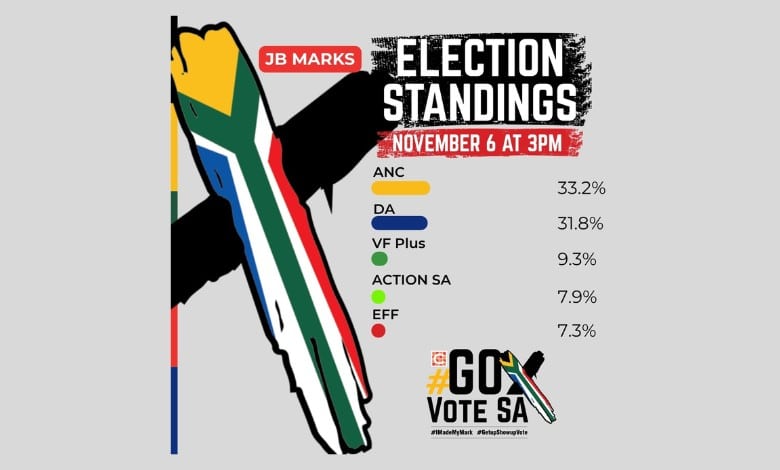
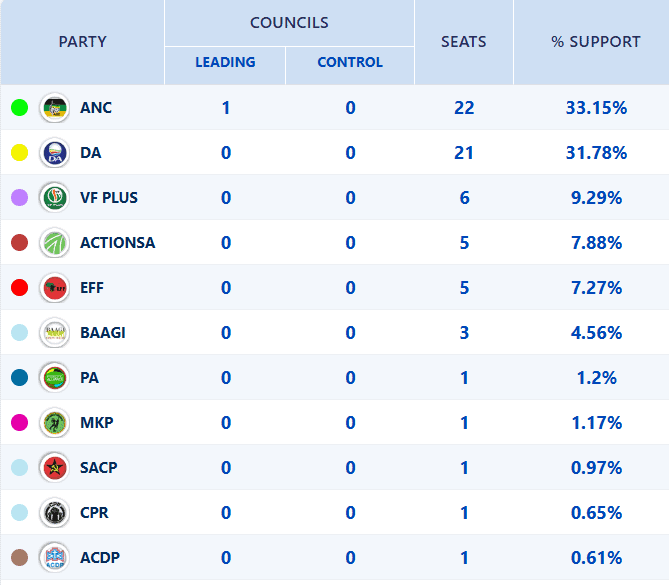
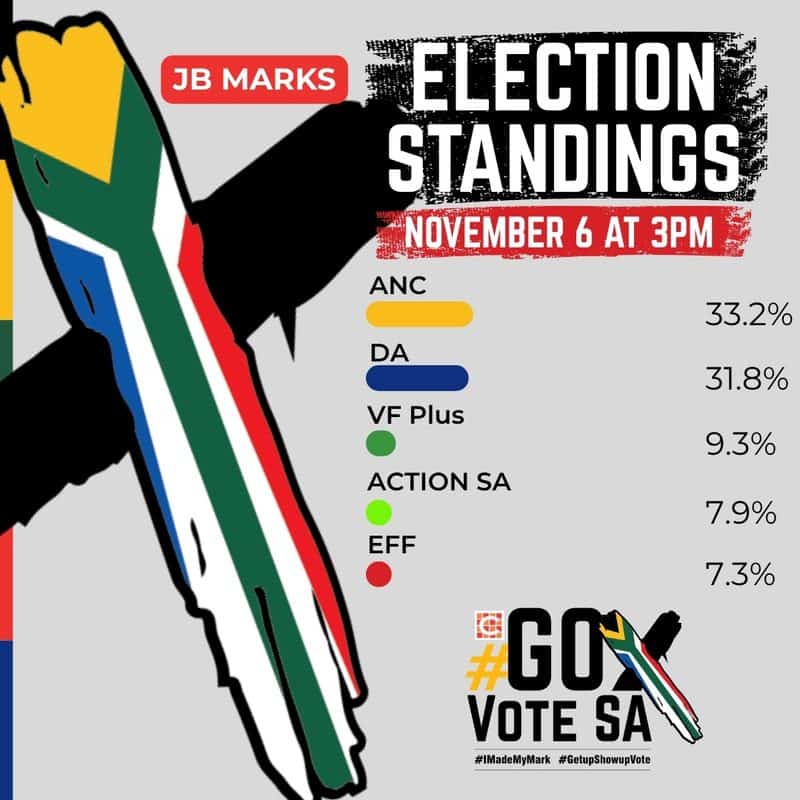
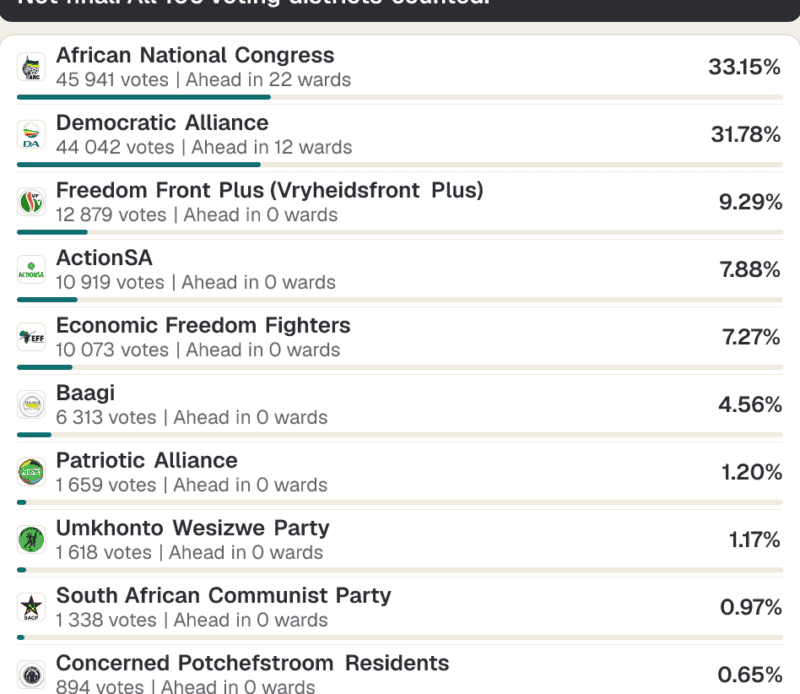
The ANC (African National Congress) has taken the top position and most seats (22) in the JB Marks Municipality in the 2026 Local Government Elections with a total of 33.15 per cent of the votes.
This is not an outright victory as a party must have had 34 seats to govern on their own. This means that the municipality is a hung council and coalitions could be formed for parties to elect a mayor.
The Democratic Alliance is in second place with 21 seats (12 ward and 9 PR seats) on 31.78 per cent of the votes across the JB Marks Municipality.
The key question in the next two weeks is which combination of political parties can secure at least 34 of the 67 council seats, agree on a mayor and work in unison to govern the municipality.
In total there were 1 899 votes between the two leading parties ANC and DA in the JB Marks Local Municipality.
Freedom Front Plus, ActionSA and EFF take the majority of the other seats
The Freedom Front Plus took 9.29 per cent of the vote and will hold 6 seats in council.
ActionSA is a new face in JB Marks Local Municipality with 5 seats after gaining 7.88 per cent of the votes.
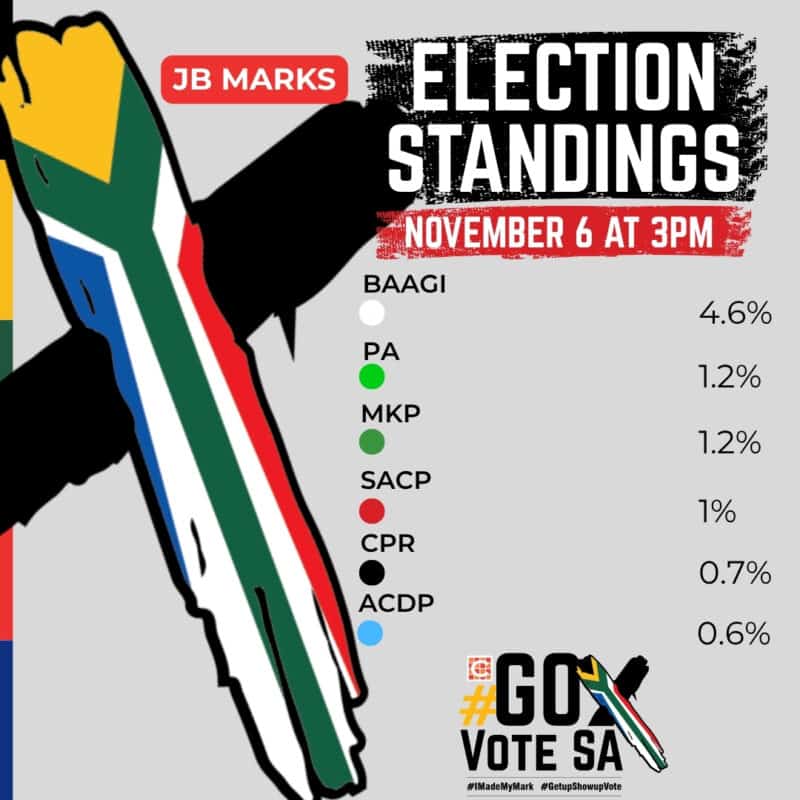
The EFF with 5 seats and a voting percentage of 7.27 and BAAGI with three seats and 4,56 per cent of the vote are other parties with more than one seat.
The PA, MKP, SACP, CPR and ACDP have one seat each in council.
These provisional results can still be queried with a formal submission to the IEC until 17:00 today.
What does coalitions/hung council entail?
- No single party has a majority: A hung council occurs when no political party wins more than 50% of the council seats. JB Marks has 67 seats, meaning a party or coalition needed at least 34 seats to secure a majority.
- Two or more political parties must negotiate an agreement to combine their votes, elect a mayor and support municipal decisions, including budgets and policies.
- Other parties could hold the balance of power: Parties such as the EFF, VF Plus, ActionSA, BAAGI and Patriotic Alliance could become important in determining which parties form the next administration.
- Coalition agreements are negotiated: There is no fixed formula for forming coalitions. Parties must negotiate an agreement, ideally before the first council meeting, covering leadership positions, budgets, policies and municipal priorities.
- There are advantages to coalitions: Different parties bring different ideas and perspectives to government. Compromise-based policies can enjoy broader support and potentially provide greater long-term stability.
- Coalitions can also be unstable: Disagreements over leadership positions, policies and political interests can cause coalitions to collapse. This can delay decisions and negatively affect service delivery. However, a well-managed coalition can function effectively, provided the municipality’s administration continues its daily work regardless of political disagreements.
- Residents still hold the coalition accountable: Although political parties negotiate coalitions without direct voter involvement, the resulting government remains accountable to residents. Its decisions must serve communities and the public must be involved in municipal decision-making.