
Muni to accommodate population growth
Polokwane Municipality will require a huge financial input and optimal utilisation of resources to provide new infrastructure while ensuring that existing services and infrastructure are maintained, Director of Engineering Services Nditsheni Sikhauli reported at the Integrated Development Plan (IDP) Representative Forum meeting of the municipality that took place at the Nirvana Community Hall last Thursday. …
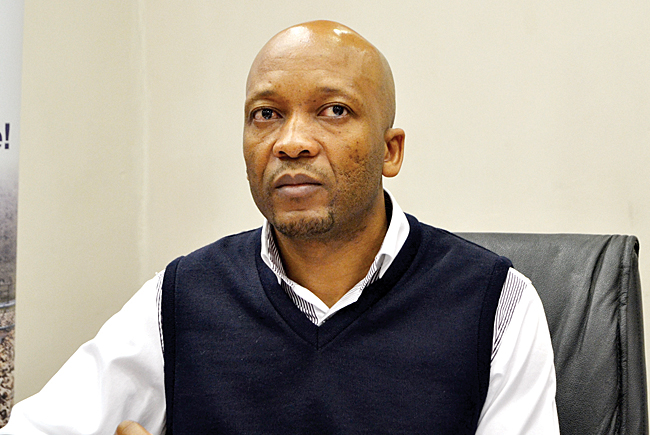
Polokwane Municipality will require a huge financial input and optimal utilisation of resources to provide new infrastructure while ensuring that existing services and infrastructure are maintained, Director of Engineering Services Nditsheni Sikhauli reported at the Integrated Development Plan (IDP) Representative Forum meeting of the municipality that took place at the Nirvana Community Hall last Thursday.
Population statistics regarding the portion of the former Aganang Municipality are not available yet, but the assumption is that it will have a noticeable impact on expenditure.
Sikhauli mentioned that the population of the city, excluding the Aganang cluster, has increased from 628 999 to 702 190 over the last five years. Although considerable progress has been made to provide services to new residents of the city, there are some backlogs that have to be addressed in the updating of the IDP.
In terms of water provision, the report paints a bleak picture and informs that the total water storage capacity of the city’s reservoirs is 175 mega litres while the daily volume received from all the sources amounts to 91,59 mega litres. The reservoirs are situated at Ster Park, Potgieter Avenue, Seshego and Doornkraal and the total water demand is currently 114 mega litres per day, resulting in a shortfall of 24,15 megalitres.
During peak flow times, the shortfall is 73,15 mega litres per day. The municipality’s application to increase the allocation of bulk supply from Lepelle Northern Water is still under consideration but an alarming fact is that it will take Lepelle Northern Water 18 months to augment the supply from Ebenezer Dam at an estimated cost of R230 million. To enable the Olifantspoort water plant to provide more water to the city, R1,2 billion will be required over 48 months.
The number of households in the municipal area, including the Aganang portion, is now 240 101, opposed to the 178 001 during 2011 that excluded Aganang. A total of 54% of the households are currently provided with flush or chemical toilets while the remaining 136 260 still make use of pit latrines, buckets or have no toilet facilities at all. Sikhauli said that sanitation is about dignity.
“The availability of sanitation facilities not only improves the dignity of people, but also promotes their health. Areas without proper sanitation give rise to water borne diseases like cholera, diarrhoea and typhoid, to name only some,” Sikhauli said.
In order to provide all households with electricity by 2030, the municipality must electrify 11 424 households. Out of 154 372 households that currently have access to electricity, approximately 67 000 households do not use it due to high electricity costs.
The municipal area has a radial road network of approximately 7 494 kms and the backlog is 6 142 kms that is mainly the result of the incorporation of Aganang and new developments and informal settlements.
Sikhauli reported that the municipality currently only implements 19 km of roads upgrading per year and that the backlog remains constant.
Story: BARRY VILJOEN
>>barryv.observer@gmail.com
Featured photo: Polokwane Municipality’s Director of Engineering Services Nditsheni Sikhauli.