
Celebrate the bees; download gardening app
On World Bee Day, it is important to acknowledge and protect the crucial role played by bees in the food production system.

POLOKWANE – World Bee Day is celebrated annually on 20 May and these busy insects are the pollinators of more than a third of all food crops and 90% of wild flowers. With a decline in the bee population, however, ensuring that they survive, thrive and flourish is crucial.
Shani Krige from Candide Market Lead, explains about a free community gardening app called Candide. The app connects gardeners, and has launched #PolliNationSA, a movement which aims to recruit a minimum of 100 000 South Africans to become bona fide bee protectors.
The #PolliNationSA movement is supported by various botanical gardens across the country and readers can get involved by downloading the Candide app (available on the Apple Store and Google Play Store), snapping a picture of a bee friendly plant in their garden and share the picture on the app using the hashtag #PolliNationSA.
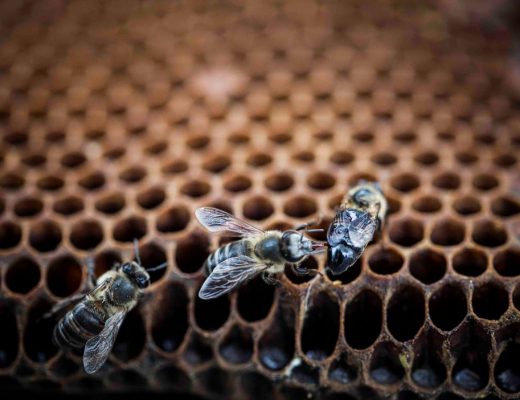
Krige says bee-friendly plants and flowers include Aloes, vygies, clivias, daisies, proteas, and rosemary.
“Once posted, users will receive a #PolliNationSA icon that will be added to their Candide profile picture confirming their pollinator status, the app is also going to keep tabs on where the pollinators are, so that we can see which region (province) has the most pollinators.”
Those who enter will automatically be added to the campaign’s countrywide map depicting the spread and reach of the growing movement.
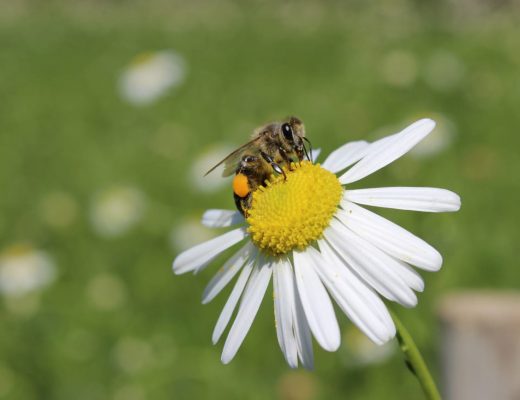
“The more people we get involved, the more bee-friendly spaces we create,” Krige said.
According to the Acting Curator at the Garden Route Botanical Garden, Corne Brink, South Africa is one of the few countries in the world that has a stable indigenous population of honey bees.
“Our solitary bees and wild bees are threatened by various honey farming practices, destruction of habitat and predatory wasps. Helping our indigenous bees and insects is as easy as introducing one or two locally indigenous plants to our gardens that flower at different times of the year,” Brink said.
Below are several tips to make your garden bee-friendly:
• Bee diverse – Plant as many different flowering herbs, plants, shrubs and trees as possible.
• Bee careful – Avoid using insecticides, pesticides and chemicals that are toxic to bees and leave
some garden areas wild.
• Bee aware – Know your weeds, and make sure you don’t get rid of the ones that are great sources
of pollen and nectar.
• Bee kind – Look out for and protect natural bee habitats.
• Bee supportive – Buy local honey.
• Bee vocal – Spread the word.