Muslims look forward to celebrate Ramadan
Ramadan is observed during the ninth month of the Muslim calendar and it will commence and end with the appearance of the crescent moon.
POLOKWANE – Muslims across the globe will soon celebrate Ramadan and the event will start on Saturday in South Africa and depending on the position of the moon, Eid ul Fitr will possibly be observed at the start of May. Ramadan is observed during the ninth month of the Muslim calendar and it will commence and end with the appearance of the crescent moon.
In Polokwane, Muslims will fast every day from just after 05:00 until around 17:30 and males go to the mosque where a different chapter of the Holy Quran is recited by the Moulana (spititual leader) every evening. The Moulana recites the entire Quran in Arabic without any notes and translations into English and even an Afrikaans translation is available to allow all to follow.
The Night of Power is commemorated on one of the last 10 nights of Ramadan, usually the 27th night. Muslim tradition dictates that God revealed Islam’s holy book, the Quran to the Prophet Muhammad during this night as a guidance for the people.
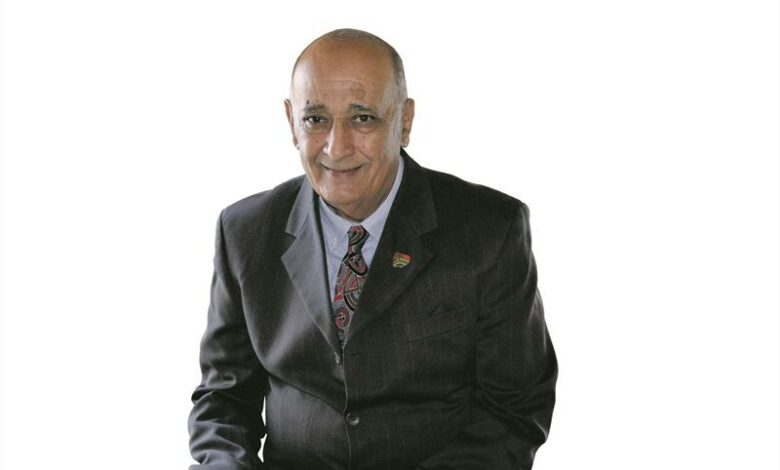
Member of the Muslim community of the city, Solly Hassen will observe Ramadan with his family and explains that during Ramadan Muslims are at peace with the world and with themselves.
“It is a time for devotion and it allows us to do introspection and to make yourself a better human being,” Hassen says.
No weddings, engagements or other parties are held during Ramadan and it is advisable to be at home, to let your body rest and experience a physical and mental cleansing process, says Hassen and adds that Ramadan is a time for Muslims to practice self-restraint, in keeping with sawm (‘to refrain’ in Arabic), and fasting is one of the five basic tenets of the Muslim religion.
Although sawm is most commonly understood as the obligation to fast during Ramadan, it is more broadly interpreted as the obligation to refrain between dawn and dusk from food, drink, sexual activity and all forms of immoral behaviour, including impure or unkind thoughts. False words or bad deeds or intentions are as destructive of a fast as is eating or drinking.
According to Hassen, Muslims just eat what they have after the break of the fast every day. “We believe in moderation and do not take anything to eat or drink in excess,” Hassen explains that Muslims pray at sunset and thereafter gather in their homes or mosques to break their fast with a meal called iftar that usually begins with dates or apricots and water or sweetened milk.
When celebrating Eid ul Fitr at the end of the fast, male Muslims will go to the local mosques or the cricket stadium in the city for early morning prayers and thereafter visit the cemetery to pay respects to the deceased and also visit elderly people. “Then we go home where family and friends gather for the celebration.
“All are welcome and we dress in our best and enjoy specially prepared delicatessen, but still in moderation. Children receive small gifts and we reach out to the underprivileged members of our community, regardless of the colour, creed or spiritual beliefs. People with physical and health challenges and children do not fast,” Hassen concludes.