
Complexities of land reform tackled in Sechaba’s new book
Sechaba Nkoana's first book paints a picture of the process, successes, failures and challenges of the Land Reform programme in South Africa since the birth of democracy in 1994.
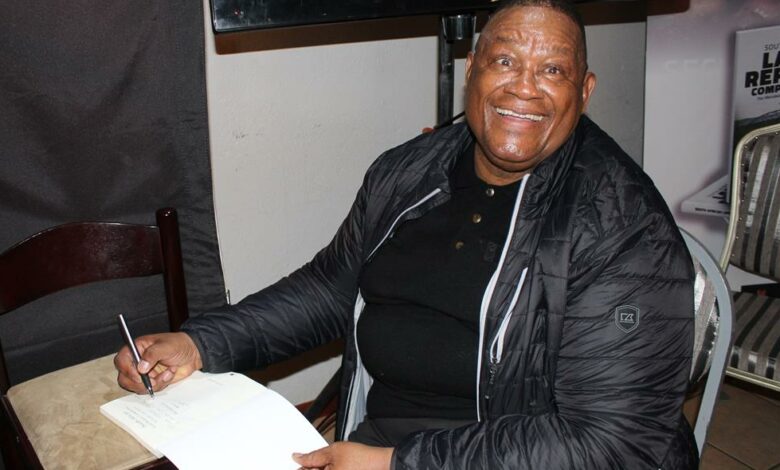
POLOKWANE – Sechaba Nkoana’s first book, ‘The South African Land Reform Complexities’ has been well received by its readers.
Nkoana, a 66-year-old author from Marobala O Itsose in Mogwadi, introduced the book during an intimate book launch at Masai Lodge on Friday (May 27).
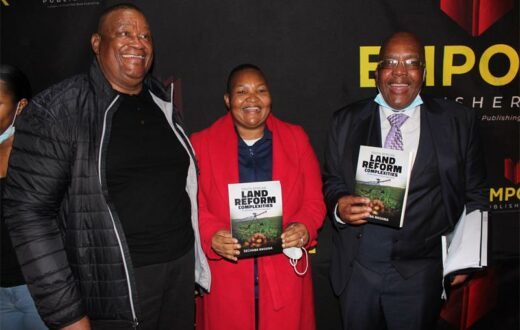
Nkoana told the Polokwane Review that he began writing the book in 2019 and that it has been warmly received by the Department of Agriculture, Land Reform and Rural Development.
Nkoana’s book paints a picture of the process, successes, failures and challenges of the Land Reform programme in South Africa since the birth of democracy in 1994. He examines the unfolding story of land reform in the country by locating it within the context of the experiences of his community of Marobala O Itsose, in which he was and still is personally involved.
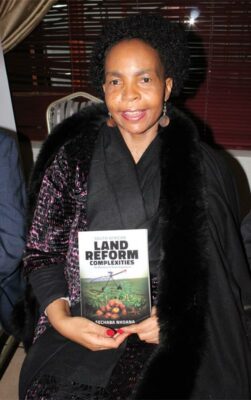
Nkoana takes the reader through the heroic struggle of his people to make a success of an otherwise difficult situation. “This is the beginning of unpacking all the challenges that we are facing as a country in terms of issues of inequity as a result of not using the land fruitfully,” he said.
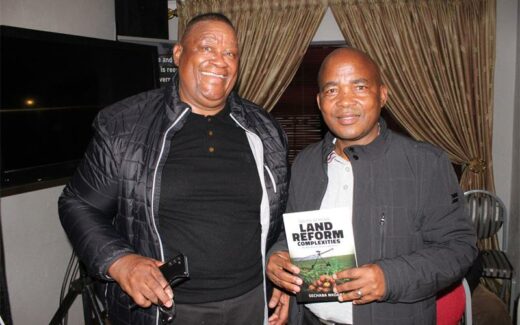
Nkoana told Review that he is busy with his second book which he described as a major project because it will involve the history of trade unions from the early 18th Century.
“Right now, we have too many trade unions, not established for the purpose of protecting the worker but some are like job creation. Once I am done with my second book, I want to write one about local government because I have been a local government practitioner from 1992. I was a municipal manager, chief executive officer of the district municipality, so I know all the issues that need to be attended to in terms of stabilizing and consolidating local government,” he said.
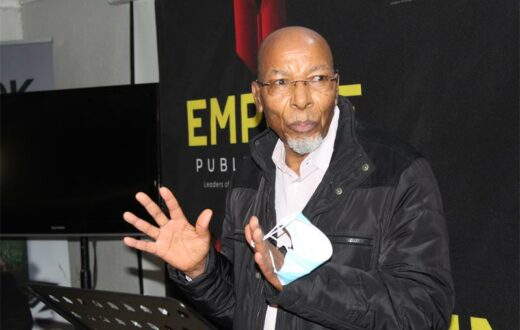
The Minister of Home Affairs Dr Aaron Motsoaledi said some of his personal experiences were reflected in the book and that it gave the land reform experience from a community perspective.
“Some of the struggles took place because of people who took land at the time when we were not ready to accept it, and to deal with it. The book has a proposal and I am glad that the book was written by a person who went through the same experience,” said Motsoaledi.