
Polokwane speed traps permanent, expansion planned
Motorists frustrated by speed traps as municipality confirms cameras are permanent and will expand to national and provincial roads by December.
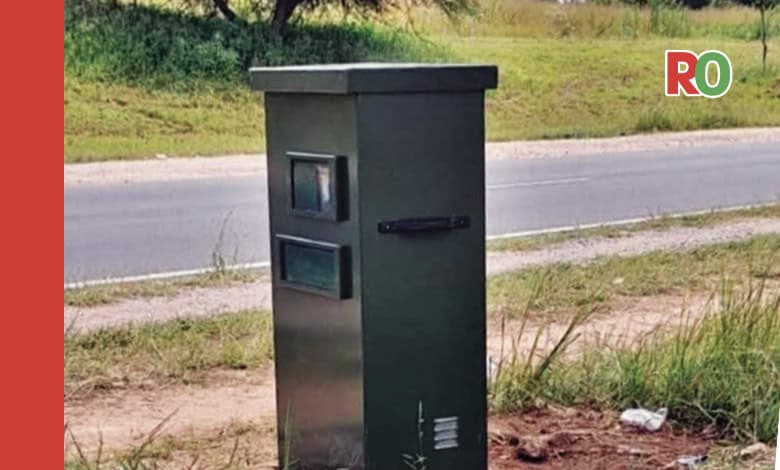
POLOKWANE – The Polokwane Municipality’s Traffic Department has warned motorists that the mobile speed traps currently put up around the city are permanent and will soon be expanded to major national and provincial roads, potentially by December.
The cameras, used to monitor average vehicle speeds, have recently become a source of frustration for many drivers who feel the fines can seem like punishment for minor offences. The mobile system has, however, already captured thousands of vehicles travelling above the legal speed limits in and around the city.
Vehicle owners receive a notification informing them of the offence, along with a photograph of the vehicle and details of the fine. Municipal spokesperson Kgaogelo Mphago said the cameras are strategically placed on roads that have previously recorded high speeding levels or frequent accidents.
“Drivers are now more alert because they know speed traps may be present, and we are already seeing the expected results. Speeding is not as common as before,” he said.
Mphago added that motorists who receive fines often visit the Traffic Office in Ladanna to settle or negotiate the penalties.
According to the municipality, previous awareness campaigns about the dangers of speeding, particularly pedestrian-vehicle collisions, had limited impact, prompting authorities to introduce the mobile camera system as an additional road safety measure.
Mphago declined to confirm operational details for security reasons but warned that the cameras are monitored and attempts to steal municipal infrastructure would be unsuccessful.
“When you see a speed trap, a traffic vehicle is usually nearby,” he said.
The use of speed cameras has also sparked debate among motorists, with some arguing that traps should always be clearly visible, while others believe hidden cameras unfairly target unsuspecting drivers.
According to the National Road Traffic Act, hidden cameras are permitted but must be supported by visible warning signage within one kilometre.
Some critics have also suggested that the cameras are primarily used to generate revenue.
Mphago rejected this claim, saying traffic fines are not a major source of income for the municipality.
“Our main revenue comes from municipal billing. The fines are relatively small and are intended to promote road safety,” he said, adding that revenue from fines is shared with the provincial Department of Transport, the Road Traffic Management Corporation (RTMC) and the Road Traffic Infringement Agency.
The municipality follows an approved infringement guideline when issuing fines for speeding offences:
71–75 km/h: R300
76–80 km/h: R500
81–85 km/h: R700
86–90 km/h: R900
91–95 km/h: R1 100
96–100 km/h: R1 300
101–105 km/h: R1 500
106 km/h and above: R2 000
Municipal officials say the expanded speed monitoring system aims to encourage motorists to adhere to speed limits and improve road safety across the city.
Polokwane Observer asked residents if they think the cameras can stop people from speeding, and can it help reduce accidents? These are their views: