
The economy, the Rand: what SA motorists should know
South Africa’s weakening economy and recent credit rating downgrades have started to hit consumers where it hurts, their pockets
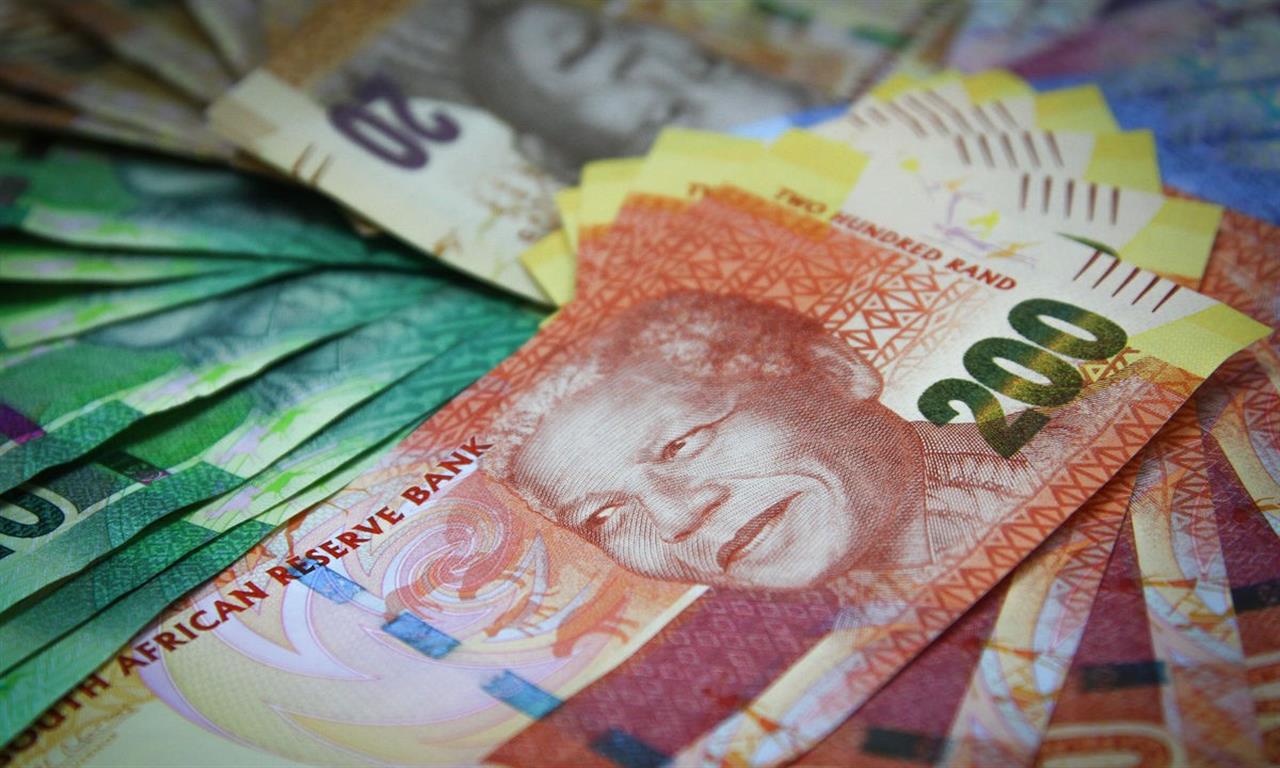
POLOKWANE – From groceries to petrol, the rising cost of living is making it increasingly hard for South Africans to predict whether they will be able to afford unknown servicing and maintenance expenses. Such that motorists are urged to plan ahead.
MotorHappy managing director, Kerry Cassel, says: “when times are good and the economy is strong, it is easier for South Africans to meet their monthly expenses and even put some money aside for savings or covering the odd surprise bill. On the other hand, when times are tough and the economy is strained, most consumers are not able to cover essential expenses due to lack of financial planning”.
In December 2015, rating agency Fitch dropped South Africa’s credit rating to just above junk-status, while Standard and Poor’s (S&P) lowered the country’s outlook from stable to negative. Rating agency, Moody’s also cited South Africa’s weak economic performance as a risk factor when assigning a negative outlook to the rating in December and has now placed South Africa on review for a further downgrade.
MotorHappy chief financial officer, Harriet Heymans, highlights that a further downgrade for South Africa to junk-status would make matters even worse for motorists as a large number of car makes and parts are imported.
A weakening Rand would therefore mean that the cost of keeping your car running will increase, but by how much? This depends on how bad things get and how the exchange rate is impacted in the long run.
“For this reason, it is crucial for South Africans to take charge of their personal finances by budgeting and saving where they can. Motorists can take further precautions by planning as much as they can in order to keep the cost of having a running car fixed and avoiding the unknown,” she says.
In tough times, motorists may be tempted to cancel things like their insurance policy or service plan. Heymans notes that this is not advisable.
“Think about the true value of having a working car, it is essential to your livelihood, it gets you to work and gets your children to school. Thinking beyond the running costs, if you are in an accident and don’t have insurance, you may be in for a nasty surprise. You may need to continue paying for your car, the damages to another car, if the accident was your fault, and alternative transport while your car is being repaired. Repairs that you will be responsible for.”
“Likewise, servicing and maintenance costs are likely to increase due to more expensive parts and labour costs. Cancelling one’s service plan would therefore mean that these costs would no longer be fixed as per your contractual agreement, and may rise significantly.”
“If you need to tighten your budget, the best approach would be to review the insurance policy you have as there may be a more cost effective alternative. In addition, look at the market value of your car as well as your risk profile. Taking this initiative may see you paying lower premiums each month,” Heymans explains.