Scrap metal dealers are mushrooming in Standerton
Sewage drain covers, railway lines, electricity pylons, taps, water features and metals in abandoned buildings are not spared because the theft of such metals has engulfed Sakhile township and Mahala Park, where most houses have lost copper and silver taps, house numbers and metals used by residents to erect shacks and other structures.
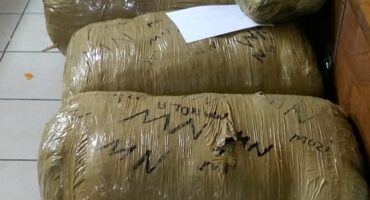
The theft of scrap metals has become a booming business in various townships in Standerton. It is reported that the thriving scrap metal industry in Standerton mostly relies on ferrous metals containing iron, such as steel and steel alloys. The non-ferrous metals without iron are aluminium, copper, lead and zinc.
Sewage drain covers, railway lines, electricity pylons, taps, water features and metals in abandoned buildings are not spared because the theft of such metals has engulfed Sakhile township and Mahala Park, where most houses have lost copper and silver taps, house numbers and metals used by residents to erect shacks and other structures.
Sipho Mabena, a resident of Sakhile, told the Standerton Advertise that the theft of metals in the township is rife and scrap metal buyers need to be held accountable because scrap metal workshops are mushrooming all over the township.
“The mushrooming of these scrap metal buyers is causing criminals to break into our yards and steal metals, mostly taps, house numbers or metals lying in the yard.
“They stole my tap and water meter at the same time, so the water leaked everywhere. I awoke to the loud sound of water falling on the roof, and for a minute, I thought it was raining, but when I looked out the window, I saw the water meter was gone,” said Mabena.
“The following day, I went to the hardware store and bought a plastic tap and plastic water meter. Now, the plastic water meter is unsafe. It can break because it is not as strong as the copper meter.
“These scrap metal buyers are to be blamed because they buy anything metal without doing a background check on where the metal is from. With drugs such as nyaope being a problem in townships, we suspect addicts are responsible for the theft of metals in homes,” said Mabena.
He added that the police need to tighten the screws on scrap metal theft.
“The police need to intensify their efforts in fighting scrap metal theft because if it is left unattended, we won’t have anything left because these criminals steal almost anything that is metal.”
Mabena said the criminals also stole metal bars at the graves of his loved ones.
“I had metal grave markings so I could easily identify the graves of my family members. When I went to the graveside, I found them missing as well, and these metal bars were expensive, but these guys only steal them to get a quick fix on drugs,” he said.
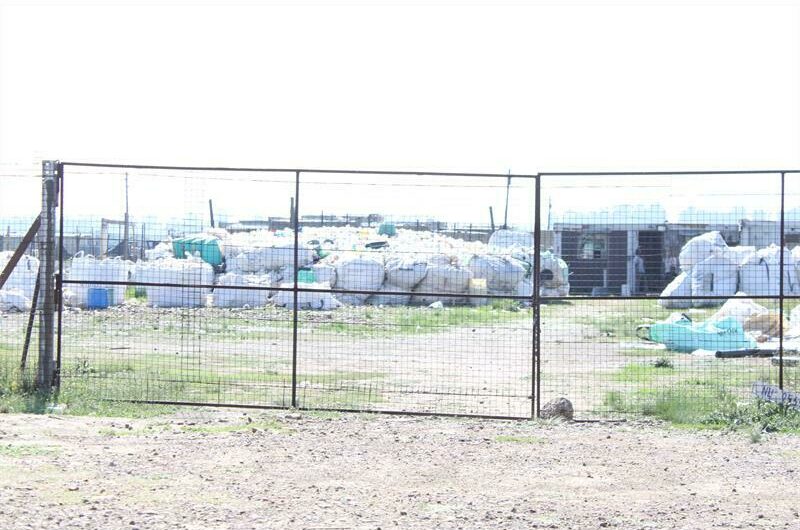
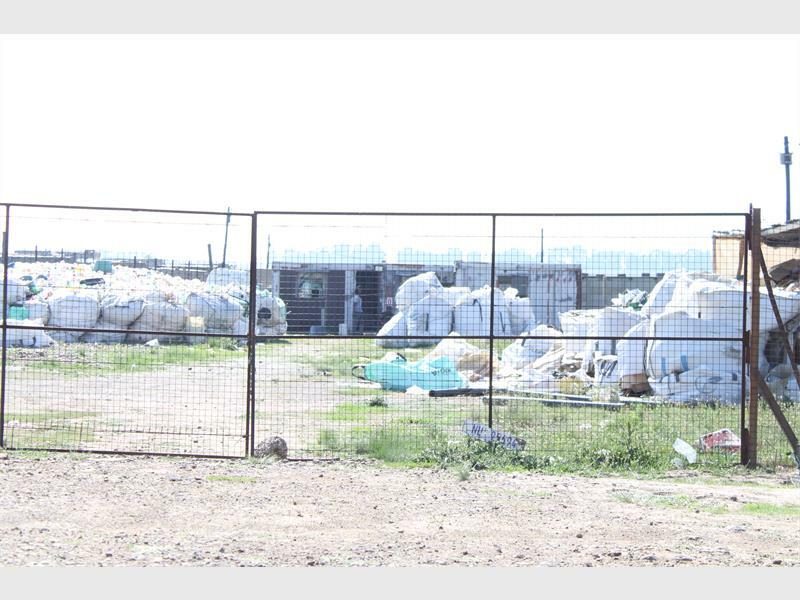
When Standerton Advertiser visited a scrap metal buyer’s warehouse next to Sakhile, the gates were closed on the publication after the journalist introduced himself.
Sakhile Police Station spokesperson Duduzile Twala told the Standerton Advertiser that the issue of metal theft is big, and police do inspections at various scrap metal buyers.
“We ensure these scrap metal buyers comply with what we told them to do. The scrap metal seller must produce an ID document when he wants to sell his scrap metal, and an affidavit has to be made, as well as the registration of the scrap metal to ensure it was not stolen,” said Twala.
ALSO READ: City of Tshwane faces police charge for pollution in Bronkhorstspruit
She said if scrap metal buyers think the metal they are being sold is possibly stolen, they should contact the police. The government has recently passed a law that requires sellers and buyers of scrap metals to be registered.
This was caused by the vandalism of infrastructure, especially copper at Transnet, Eskom and the Passenger Rail Agency of SA.
In a gazette released on November 17, the government said it would restrict and regulate trade in ferrous and non-ferrous metals waste, scrap and semi-finished metals to limit damage to infrastructure and the economy, which at the end of this April stood at about R46.5b, according to data from the Department of Trade, Industry and Competition.
The latest decision follows two successive periodicals on the trade in scrap metal, which had the industry in an uproar because the bans were claimed to have affected the livelihoods of more than 300 000 people who make a living by collecting scrap.