
Dietician shines the light on Eating Disorders Awareness Week
Maré Worthmann says a dietician's main aim is to work with patients to develop positive beliefs around food, weight and health.
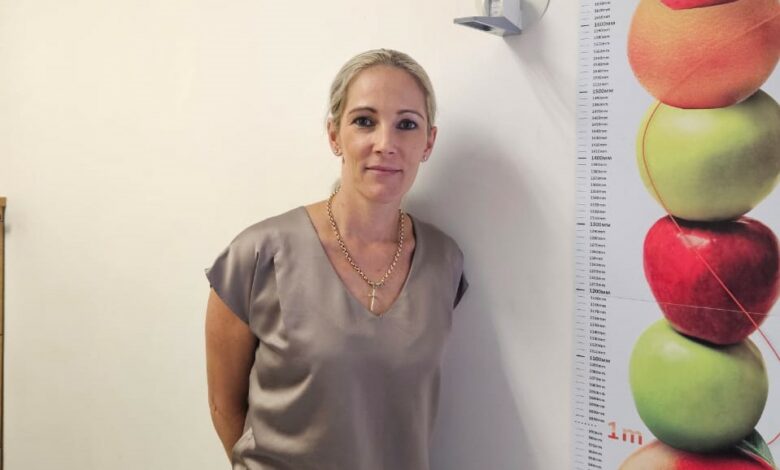
Registered Dietitian, Maré Worthmann of Amanzimtoti, provides insight into eating disorders in light of Eating Disorders Awareness Week commemorated from February 27 to March 5.
Worthmann described an eating disorder as a debilitating psychiatric illness that involves persistent disturbances of eating habits or weight control behaviours, which result in significantly impaired physical health and psychosocial functioning.
She said it is important to acknowledge the existence of eating disorders. “Patients often go untreated for many years due to the stigma associated with living with any psychiatric illnesses. They are often not aware of treatment options. We often find that parents tend to think that it’s ‘just a phase’ and as a result treatment is delayed, worsening the disorder. It is very important to be aware of the early signs of an eating disorder so that help can be sought immediately,” she said.
Worthmann said the most common disorders are anorexia, bulimia and binge eating. While the lesser known ones include night-eating, childhood-eating disturbances and the athlete triad.
“Signs and symptoms may include; determined food avoidance, preoccupation with body weight and food intake, self-induced vomiting, extensive exercising, laxative abuse, selective eating, restrictive eating and food refusal,” she said.
While eating disorders do not discriminate, Worthmann said it is seen more frequently in teenagers and young adults. “It is a very complex mental health disorder than can affect anyone regardless of sex, age or race. But yes, genetics, lifestyle and stress are all factors that could lead to the development of an eating disorder,” she said.
ALSO READ: Three tricks to eating healthy on the go
A dietician’s role is to develop and help implement dietary plans and advice that help promote health and wellness. They do not diagnose any mental health disorders. “We do, however, work closely with psychologists and/or psychiatrists as part of a multi-disciplinary team to assist and treat patients,” said Worthmann.
She said a dietician’s main aim is to work with patients to develop positive beliefs around food, weight and health.
When asked what advice she had to share, she said, “Do not be ashamed to ask for help. Parents, keep a close eye on your teenagers (boys and girls) and seek help if you notice any distorted eating behaviour. The earlier it is addressed, the better.”
DID YOU KNOW?
Click on the words highlighted in red to read more on this and related topics. To receive news links via WhatsApp or Telegram, send an invite to 061 694 6047.

Do you have more information pertaining to this story? Feel free to let us know by commenting on our Facebook page or you can contact our newsroom at 031 903 2341 and speak to a journalist.