
Isipingo PhD graduate vows to empower patients
An Isipingo physiotherapist's doctoral research could transform undergraduate physiotherapy studies, and eventually empower patients too.
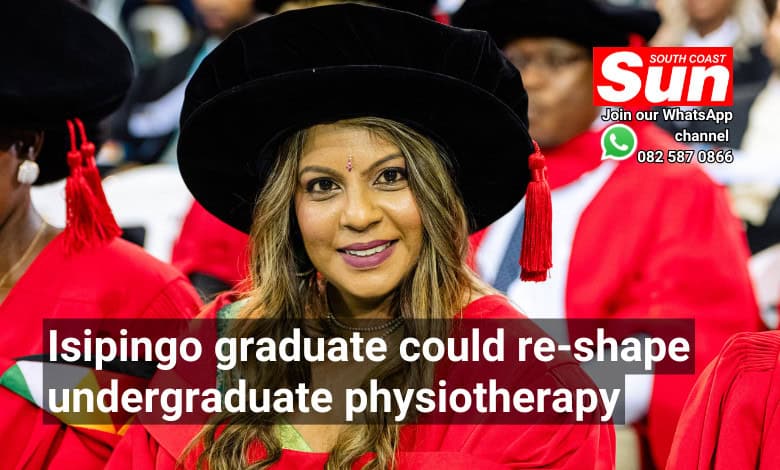
AN ISIPINGO woman achieved her PhD in physiotherapy at the recent UKZN Spring graduation ceremony, after her groundbreaking doctoral research identified gaps in undergraduate physiotherapy curricula, leading to a framework that better equips physiotherapists to manage patients living with mental illness.
Also read: Umbumbulu matriculants secure medical school placements
Dr Marilyn Hooblaul, chief physiotherapist at Ekuhlengeni Psychiatric Hospital, said that the profession “chose” her. After matriculating from Strelitzia Secondary School, she aspired to study pharmacy, but was devastated after she was not accepted into a pharmaceutical programme. After taking a gap year to reflect on her next steps and another unsuccessful application to pharmacy, she enrolled in a Bachelor of Science degree to strengthen her chances of being accepted.

“During that year, I reapplied for pharmacy and, at the same time, submitted applications to other health science degrees, including physiotherapy. I was invited for an interview for physiotherapy. At the time, my only knowledge of the profession came from a brief paragraph I had read in an encyclopaedia. I was accepted into the programme. While I considered it a stepping stone while I planned to pursue pharmacy, during my first year of study, I developed a deep appreciation for the profession and its holistic approach to health. What began as an unexpected path quickly became my passion,” said Hooblaul.
Her pioneering research took place over three years, revealing that mental health content in undergraduate physiotherapy curricula is currently minimal, fragmented and inconsistent across the country.
“I knew how to treat muscles, joints and movement problems, but I had no roadmap for working with people living with severe mental illness. The question, ‘How much more could we do if we were trained for this?’ became the driving force behind my PhD.”
It culminated in a framework that aims to equip future physiotherapists with skills and empathy to treat individuals that suffer both physical and mental health conditions, reducing stigma within healthcare settings, improving patient outcomes through holistic, person-centred care, and strengthening the healthcare system’s ability to respond to South Africa’s mental health burdens.
Also read: Umbumbulu medical student gets first stethoscope
She credited her family, patients and colleagues as her greatest inspirations in life. She added that witnessing her patients’ courage, resilience and determination to overcome their daily challenges profoundly shaped her approach to physiotherapy.
Hooblaul plans to influence curriculum development at institutional and national levels to ensure mental health is addressed alongside physical health in healthcare training. Her framework shifts the focus from mental health as an add-on module to that of an integrated component of physiotherapy training, which is intended to cultivate technical competence, as well as professional values, empathy and cultural sensitivity.
Outside of her professional life, Hooblaul enjoys reading thriller novels, which helps her unwind. Spending time with her husband and children is another source of fulfilment and joy. She joked that sleeping is also one of her hobbies, as it is a way to rest, reset and maintain balance in her busy life.
Her message to aspiring health professionals: “No matter your age or gender, if you set your mind to something, see it through. Stay focused, embrace challenges as opportunities to grow, and don’t be afraid to seek guidance along the way. Balance your studies with rest and activities you enjoy. Education is central to your life, it opens doors and empowers you to make a difference. Perseverance and curiosity will carry you to your goals.”
What is physiotherapy?
It is a healthcare profession that helps people improve their movement, strength and overall physical and mental well-being. Physiotherapists work with people of all ages who may have pain, injuries, illnesses or disabilities.
They use exercises, stretches, hands-on treatment and education to help the body heal, reduce pain and prevent future problems.
Physiotherapy in mental health is a specialised area of physiotherapy that focuses on improving the physical, emotional, and social well-being of people living with mental health conditions. Physiotherapists in this field use movement, exercise, and physical activity to help manage symptoms such as fatigue, muscle tension, sleep disturbances, and low energy, which are often associated with mental illnesses like depression, anxiety, or schizophrenia. They also work on improving overall physical health, mobility, and quality of life, while supporting patients’ mental and emotional recovery. Techniques may include structured exercise programs, relaxation and breathing techniques, functional training, and strategies to increase participation in daily activities.

Do you have more information pertaining to this story? Feel free to let us know by commenting on our Facebook page or you can contact our newsroom on 031 903 2341 and speak to a journalist.