
Pool safety: Why first aid knowledge saves lives
Knowing how to render first aid can improve the chances of survival during near-drowning incidents.
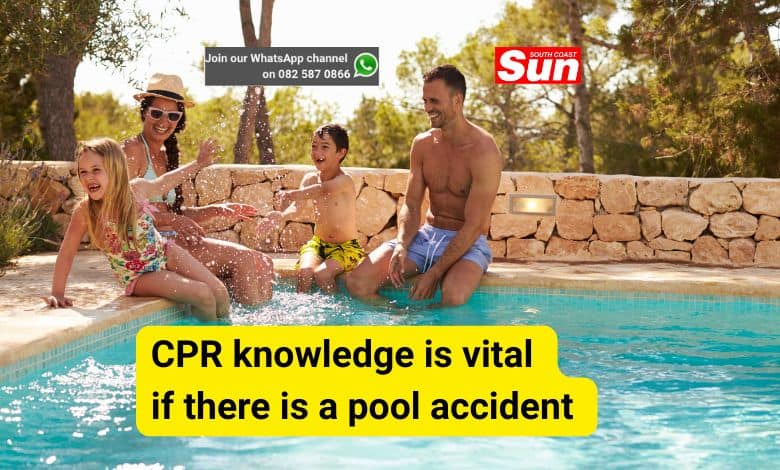
SWIMMING pools are a favourite escape during South Africa’s hot summers, but they can also be dangerous, particularly for young children if they are not correctly supervised.
Also read: Flood safety: What to do before, during and after a flood
According to the World Health Organisation (WHO), drowning claims more than 300 000 lives globally each year, with children under five at the highest risk. In South Africa, where many homes and residential complexes have shared or private pools, the danger is even more pronounced.
Even confident swimmers can encounter trouble in seconds due to fatigue, slipping, cramps or sudden medical issues. This is why quick, informed action is crucial. Murray Hewlett, CEO of Affinity Health, stresses the importance of being prepared.
“Accidents happen in seconds and often without warning. Awareness and basic first aid knowledge can save a child’s life,” said Hewlett.
Before professional help arrives, a parent or caregiver is often the first and only responder. Knowing CPR, rescue breathing, and how to handle choking or near-drowning incidents can dramatically improve survival outcomes.
Essential first aid and safety tips
• Always supervise children and never leave them alone near water.
• Learn CPR and basic first aid through accredited courses.
• Keep emergency numbers visible and saved on your phone.
• If safe, remove a child from the water using a pole, rope or float.
• Begin CPR immediately if the child is not breathing.
• Use age-appropriate choking techniques (Heimlich for older children, back blows and chest thrusts for infants).
• Keep children warm after rescue to prevent hypothermia.
• Watch for delayed symptoms of secondary drowning.
• Install fences and lockable gates around pools.
• Remove toys and floats after swimming to prevent unsupervised access.

Do you have more information pertaining to this story? Feel free to let us know by commenting on our Facebook page or you can contact our newsroom on 031 903 2341 and speak to a journalist.