Crime concern follows vagrants dispersal
The municipality's 'Clean My City' is met with mixed reactions from community members.
THE municipality’s ‘Clean my City’ campaign which has seen residents of King Dinizulu and Albert Luthuli parks relocated to Umbumbulu, Umlazi, Chatsworth and KwaMashu has been met with mixed reaction by different communities.
With some agreeing that the project is a step in the right direction, others feel it solves nothing, rather it is moving the problem and leaving it for smaller communities to deal with. A great concern of the nay-sayers is the fear of a spike in crime.
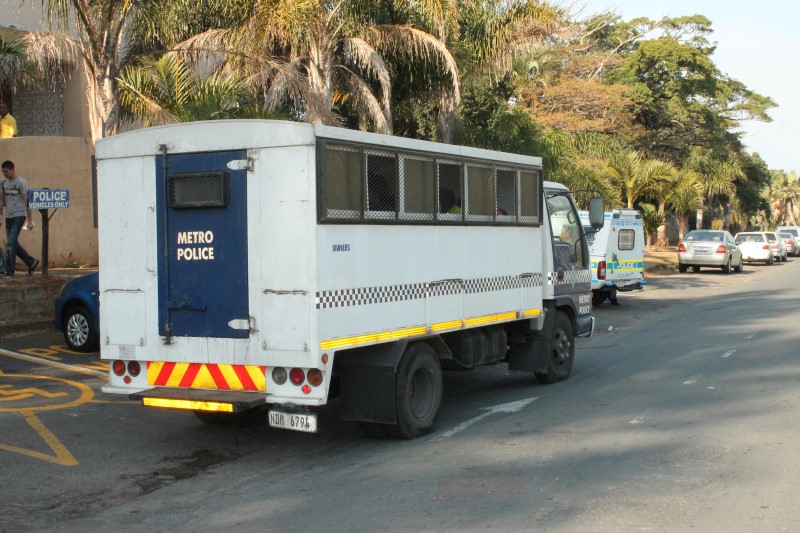
Two men, in their late 30s were caught stealing steel from a business property by a security guard in South Coast Road on Tuesday, 8 July. Clint Torley of Kombat Security responded. “When we questioned the men, they said they were moved by Metro Police from Albert Luthuli Park and dropped off in Gwala Street, Lamontville. The men were walking back to Durban when they saw an opportunity to steal, by pulling scrap metal through a fence,” said Torley.
“The moving of the people is a concern if they leave them near our area. It’s not eliminating the problem, it’s merely moving it,” he said. On Saturday, 12 July while conducting patrols of the area, they found blankets in the bushes near Woodlands Sports Club, indicating that people were sleeping there.
Although he is concerned about people being dumped near the Montclair area, he has conceded there hasn’t been an obvious spike in crime.
Nomusa Shembe, senior manager of Safer Cities which is a part of the ‘Clean my City’ campaign, explained to the Sun that the aim of the project is to reduce drug addiction in communities and to bring to book those who are dealing in drugs.
The project has two interventions, one that deals with social intervention and the other is an enforcement element.
The social intervention aspect has seven outreach programmes, which includes screening people and listing those who need help. People who need help with skills development will receive assistance and those who suffer from substance abuse will be afforded the help they require. The relocation of people forms step six of the project and step seven involves finding homes for those who do not have.
Of the 442 people who were referred to the Dennis Hurley Centre (DHC) to receive services, only 226 returned for follow-up interventions. Of those 226, about 20 people applied for identity documents, 18 are in rehab centres and about 20 are involved in sports programmes.
Drug action committees have been set up in various communities to help deal with substance abuse. “We want to deal with the supply of drugs. People who are victims of drugs will be able to get help. There are structures embedded in the communities to help people. If anyone wants to receive help, they can approach the social development offices in their area or the ward councillor as each ward is represented in the drug action committee,” said Shembe.