eThekwini’s draft budget sparks debate over tariff hikes
The increases are necessary to fund infrastructure upgrades and improve service reliability, particularly in water and sanitation.
THE proposed tariff increases in the cost of basic services are set to dominate public debate after the eThekwini Municipality tabled its R74.7b draft budget for the 2026/27 financial year.
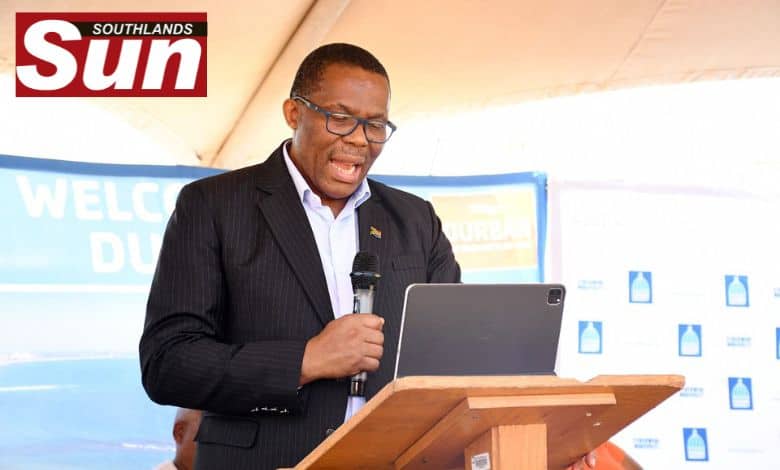
Mayor Cyril Xaba presented the budget at the Inkosi Albert Luthuli International Convention Centre on March 31.
While the municipality has framed the budget as a plan to stabilise finances and accelerate infrastructure investment, the proposed tariff hikes are likely to place additional pressure on households and businesses already grappling with a difficult economic climate.
The proposed increases are as follows:
- Water: 15% (residential), 16% (business)
- Electricity: 10.5% (residential and business)
- Property rates: 5%
- Sanitation: 13% (residential), 14% (business)
- Refuse: 13%
In a statement, municipality said the increases are necessary to fund critical infrastructure upgrades and improve service reliability, particularly in water, sanitation and electricity networks that have suffered from ageing infrastructure and underinvestment.
Also read: Public concerns grow over proposed Merebank bitumen plant
The draft budget totals R74.7b, including an operating budget of R68.8b and a capital budget of R5.9b.
Key allocations include R3b for wastewater treatment works, R1.7b for water loss reduction and pipe replacement, and R2.4b for electricity infrastructure.
An additional R1.1b has been set aside for trading services reforms aimed at improving efficiency, strengthening revenue collection, and reducing service disruptions.
Xaba said the budget reflects the City’s attempt to balance fiscal discipline with service delivery needs.
“The 2026/27 draft budget demonstrates the municipality’s ability to navigate a difficult economic climate while addressing infrastructure backlogs and supporting vulnerable communities,” he said.
Despite the tariff increases, the municipality has retained its pro-poor support measures. Qualifying households will continue to receive free basic services, including six kilolitres of water, basic electricity allocations, and free refuse removal.
Also read: Refuse collection over the Easter holiday
Additional sanitation support will also be provided in informal and rural areas. However, residents are expected to raise concerns about affordability, particularly for households that fall outside indigent support thresholds and will absorb the full impact of the increases.
The public consultation process will now invite submissions from residents, businesses and civil society, with the final budget expected to reflect input received during this period.
The proposed tariff adjustments are likely to be a central point of contention as the City seeks to balance financial sustainability with the cost of living pressures facing its residents.
For more Southlands Sun news, follow us on Facebook, Twitter and Instagram. You can also check out our videos on our YouTube channel or follow us on TikTok.