
Coedmore Castle stands quiet, but its legacy lives on
The castle was built by Dering Stainbank who arrived in Durban after a three-month sea voyage from England in 1857.
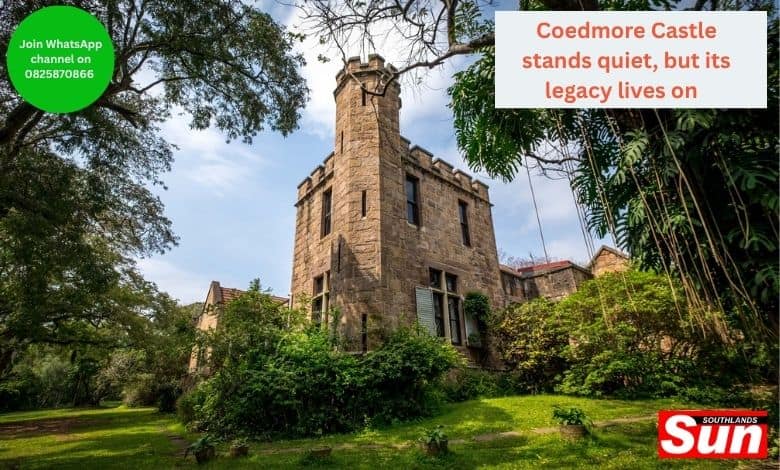
TUCKED away in the heart of the Kenneth Stainbank Nature Reserve and surrounded by trees of Yellowwood Park, lies a majestic castle known as Coedmore Castle. The 145-year-old castle is one of the historical sites that KZN residents brag about to tourists
It was built by Dering Stainbank who arrived in Durban after a three-month sea voyage from England in 1857. The history of Coedmore Castle lies in its ties to the cultural, artistic and conservation history of eThekwini and KZN.
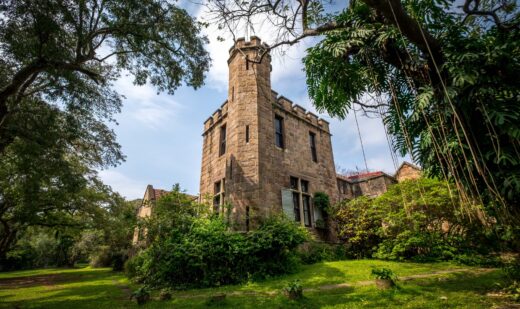
Stainbank arrived in KZN as one of the British settlers, aged 16. He named the estate Coedmore after his family’s ancestral home in Wales.
Also read: Exco unveils bold plans to improve wastewater infrastructure
According to a statement by Blue Security, Stainbank was looking for a place to call his home when he met an elderly Zulu man. The statement said the man took him to a site on the south bank of the Umhlatuzana River, an area regularly used by Shaka’s regiments on their way to the coast of the Eastern Cape.
“As soon as Stainbank laid his eyes on the untouched land, he knew that it was going to be where he was going to build his perfect home.
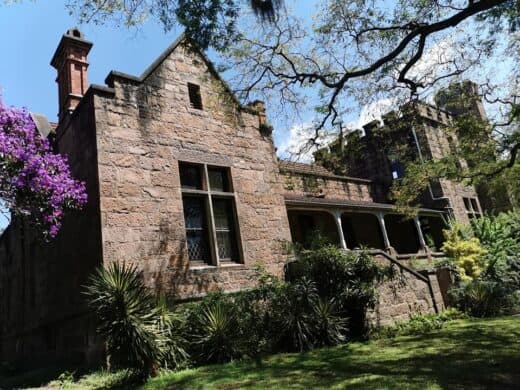
“With the help of two Scottish stone masons from Aberdeen, he began to build his home from local stone quarried on the premises. It took three years to complete the Coedmore Castle,” said Blue Security in a statement.
Four years later Stainbank married Ethel Lyne from Pietermaritzburg and the couple had seven children. Kenneth, his third son, inherited the castle after his two elder brothers were killed in World War I, and his daughter Elizabeth Keith and her family lived on the property.
Also read: Wentworth author recognised with lifetime achievement award
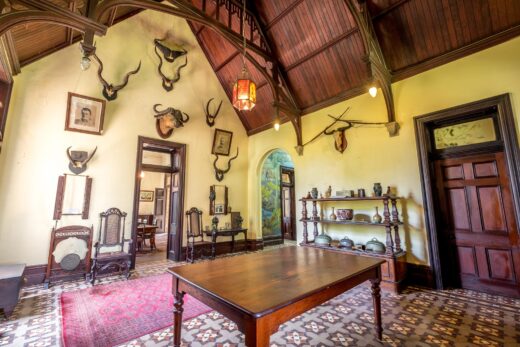
He began building the Coedmore Castle in the early 1880s. The castle is of historical importance as it carries cultural significance in the province. The site is a living museum of settler era domestic life as it has family portraits and preserved personal items.
The site was home to Mary Stainbank, who was one of the South Africa’s first professional woman sculptors.
Dering’s son, Kenneth Stainbank, was a conservationist. He donated large parts of the estate to the government to create what is now called Kenneth Stainbank Nature Reserve. It was proclaimed a nature reserve in 1963.
After the death of Elizabeth Keith, who was the last beneficiary, the castle was fully vested in the government. Guided tours, school tours and public functions at the castle were suspended. Visiting the castle or hosting any events is currently not allowed.
For more Southlands Sun news, follow us on Facebook, Twitter and Instagram. You can also check out our videos on our YouTube channel or follow us on TikTok.
Subscribe to our free weekly newsletter and get news delivered straight to you