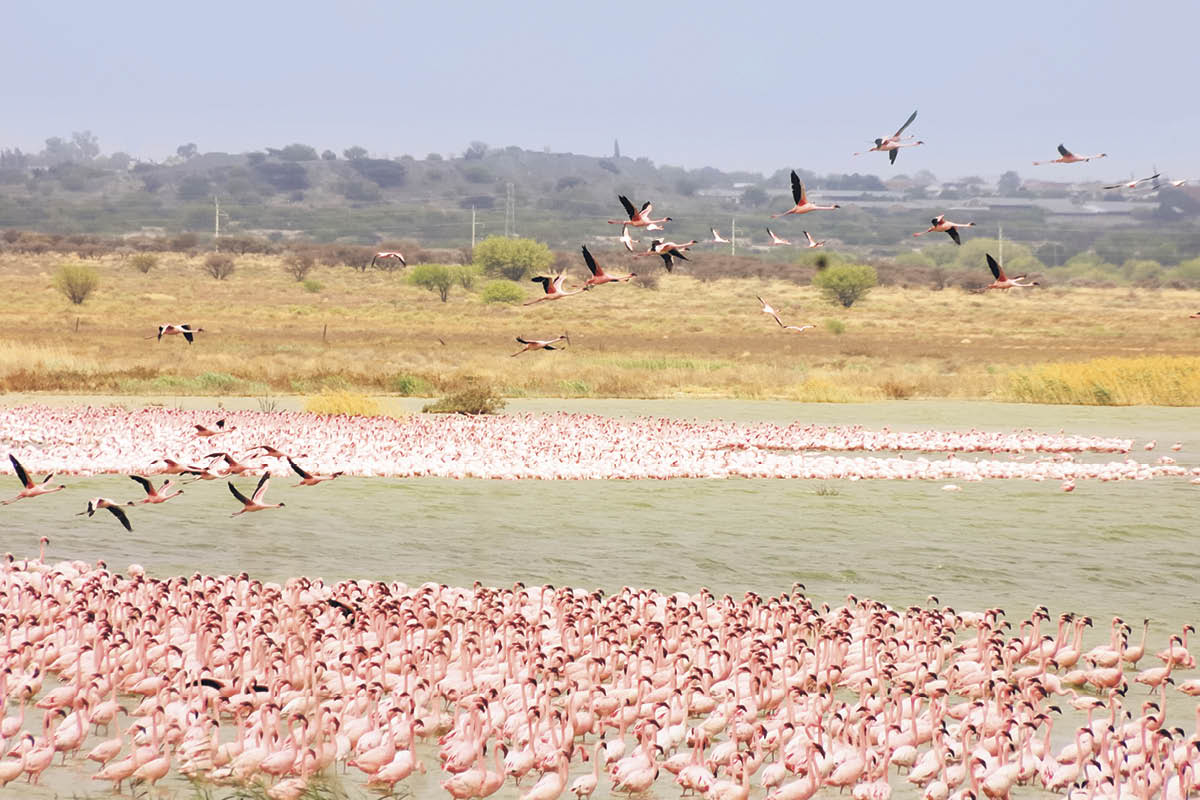
Like the soil over 150 years ago, just a little digging will reveal a few gems to give any visitor a clear view of the town's past and present.
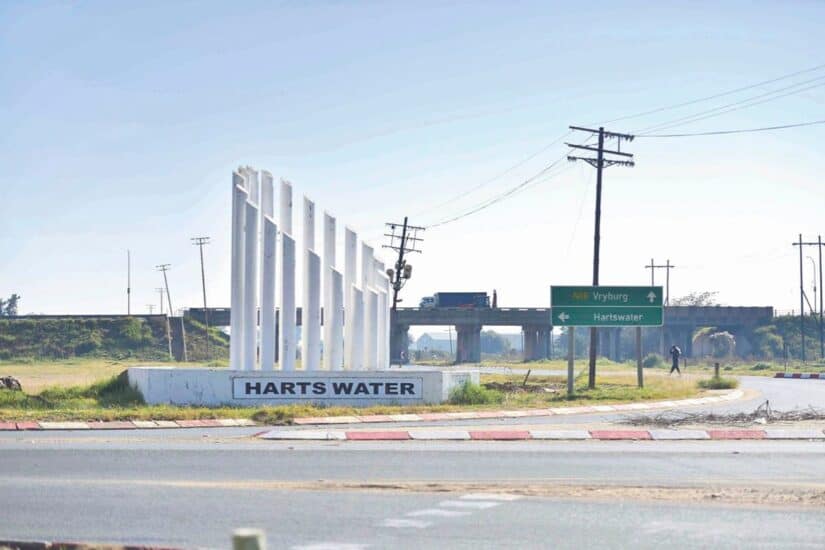
AGRICULTURAL TOWN. Entering Hartswater in Phokwane local municipality in the Northern Cape. Pictures: Shaun Holland


Far from glittering metropolitan lights, at the edge of the Karoo’s vast expanse, sits the heart of South Africa’s forgotten province.
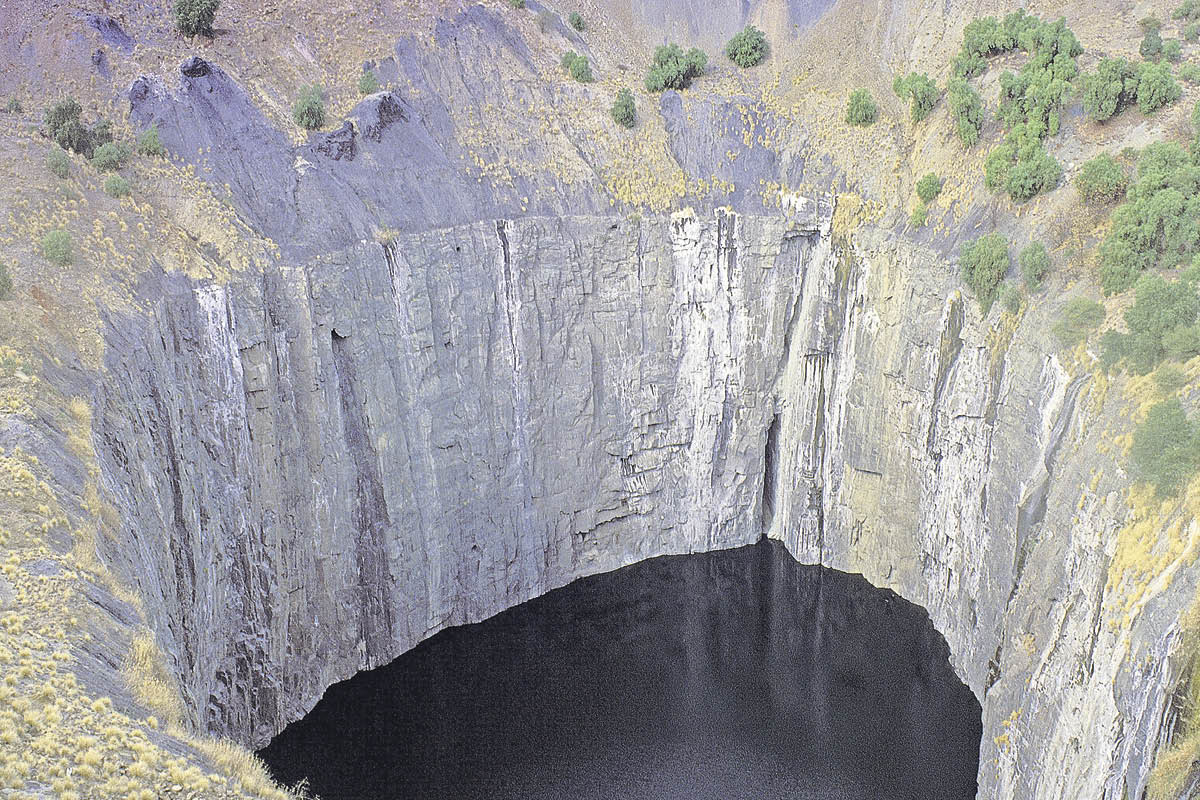
Kimberley’s significance in the economic journey of the country cannot be understated, yet the great opencast pit at the town’s centre is a reminder of what was taken, but never properly returned.
Like Johannesburg, preserved headgear adorn public spaces as monuments to a tenacious mining origin, yet the societal boom was not fully replicated.
However, much of Kimberley – its architecture, its vibrancy, its decay – could seamlessly be transplanted into her more illustrious sister.
Like the soil over 150 years ago, just a little digging will reveal a few gems to give any visitor a clear view of the town’s past and present.
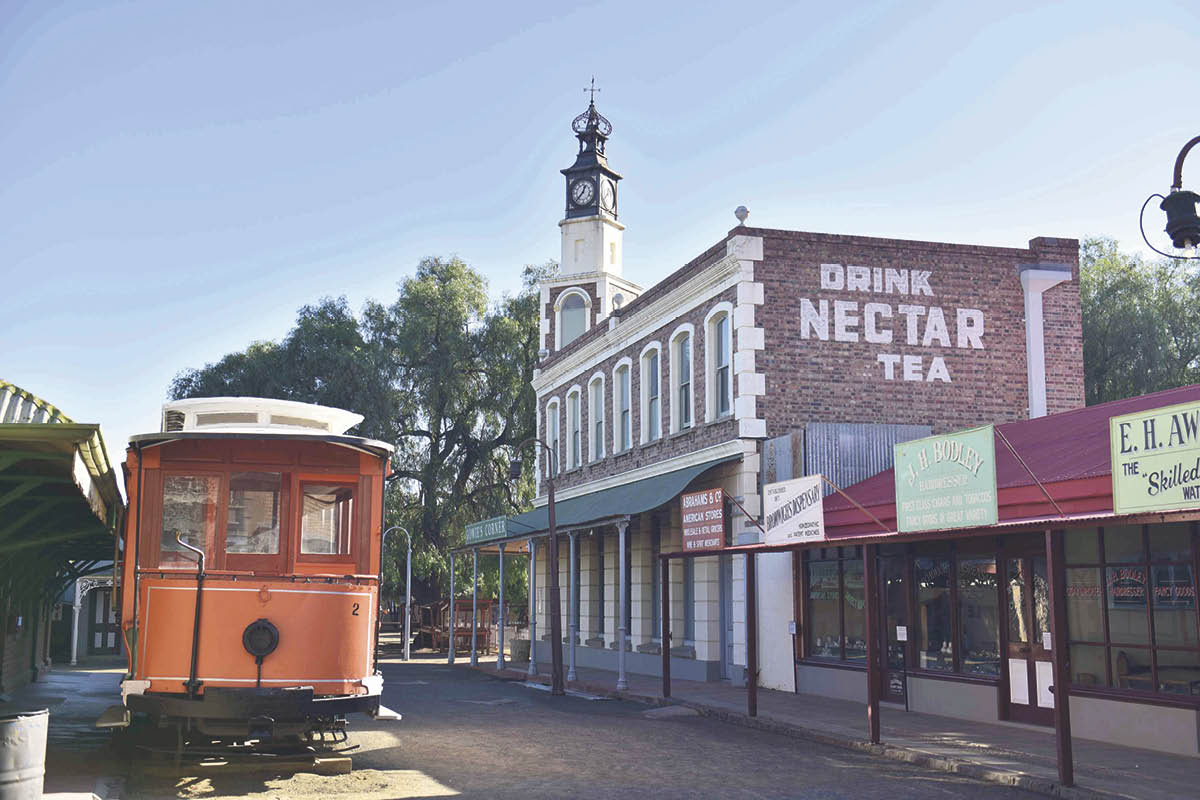
Hand-dug fortunes
The Big Hole requires no introduction, but its draw is not the scar left behind by diamond miners, but the meticulous care with which the story is retold.
An engaging tour begins with a cinematic look into the personalities that shaped Vooruitzigt and New Rush – the names of the area prior to the British declaring the town Kimberley.
The short film chronicles the first chance discovery of a diamond by a child playing in a river, to Cecil Rhodes’ monopolisation of the digging sites.
Visitors are led to the grand viewing deck to soak in the scale of the work just portrayed on film, before plunging into a curated mineshaft.
One of the many energetic and interactive guides then tests the wits and nerves of tourists with demonstrations of life underground – dynamite explosions et al.
A camera-free exhibition of the most significant stones pulled from the area’s earth follows, before concluding with a look at the early sifting and sorting machinery.
This time capsule is set in the first streets of the town, some still featuring the original buildings that housed the saloon, conveyancers, auctioneers and managerial quarters.
Other monuments to Kimberley’s prominence in the mining world include the old member’s club and the now-abandoned former head office of De Beers Consolidated Mines.
The Kimberley Club opened its doors in Currey Street in 1882 and has reciprocity status with 14 similar clubs in South Africa and 24 other clubs from 11 former territories of the British Empire.
An homage to the colonial era, the club now functions as a fourstar hotel, restaurant and events venue.
Five blocks north, in Stockdale Street, sits the imposing and seemingly immovable offices of De Beers, built in 1887 and declared a national monument in 1985.
De Beers in 2023 announced it was leaving Kimberley, turning its back on a town it had anchored for a century.
“A lot of people have lost their work, a lot of businesses have suffered,” president of the Northern Cape Chamber of Commerce and Industry Dudley Dally said.
However, the company donated its towering Harry Oppenheimer House in Chapel Street to Sol Plaatje University for use by future generations.
Youthful dreams
One site serving as a beacon for the current crop of youth is the Kumba Skate Plaza, located in the town’s West End.
Home of the Kimberley Diamond Cup international skateboarding championship, the world-class skate park is a refuge for teens.
On any given afternoon, free entry allows the young board riders to sample the global alternative culture in a city without a store focused on the sale of skateboarding accessories.
The talent and enthusiasm on display far exceeds the resources available, with skaters only able to acquire boards at general bulk retailers.
Eager to show off their tricks to anyone with a camera, the young boys express big ambitions that will take them beyond their small town.
History of sacrifice
McGregor Museum in the east of the town perfectly preserves the artifacts of Kimberley, having accepted that responsibility since 1907.
Covering the regions beyond the town, the museum focuses on at least seven faculties; from anthropology to zoology, botany to archaeology and more.
Despite the rich history, Kimberley’s true charm is its people and their immense love, pride and reverence for their home.
A giant stone plinth stands on an island near Hoerskool Diamantveld, a monument to the four-month Seige of Kimberley that saw British forces defended the town from being captured by the Boers.
Designed by Sir Herbert Barker, featuring a poem by Sir Rudyard Kipling and a cannon manufactured in a De Beers workshop, the Honoured Dead Memorial doubles as the final resting place of 27 British soldiers.
“This for a charge to our children in sign of the price we paid. The price that we paid for freedom that comes unsoiled to your hand. Read, revere and uncover, here are the victors laid. They that died for their city being sons of the land,” Kipling’s inscription reads.