
Rabies: All the facts pet owners should know
This year the theme for World Rabies Day (28 September) is Facts, not Fear.
The World Health Organisation (WHO) states that rabies is estimated to cause 59 000 human deaths annually in over 150 countries, with 95% of cases occurring in Africa and Asia.
Due to underreporting and uncertain estimates, this number is likely a gross underestimate. The burden of disease is disproportionately borne by rural poor populations, with approximately half of cases attributable to children under 15 years of age.
The organisation adds that rabies is a vaccine-preventable, zoonotic (transmissible to humans from animals), viral disease.
Once clinical symptoms appear, rabies is virtually 100% fatal. In up to 99% of cases, domestic dogs are responsible for rabies virus transmission to humans.
Dr. Guy Fyvie Hill’s Pet Nutrition’s Veterinary Advisor concurs. “Dog bites cause almost all human rabies cases in South Africa, and globally, with vaccinations of dogs being the most effective way to reduce the risk of this disease to both humans and dogs.
“Locally the disease is still very present, particularly in rural areas where many dogs are not vaccinated against the virus. In addition, rabies is commonly reported among stray or feral dogs and cats.”
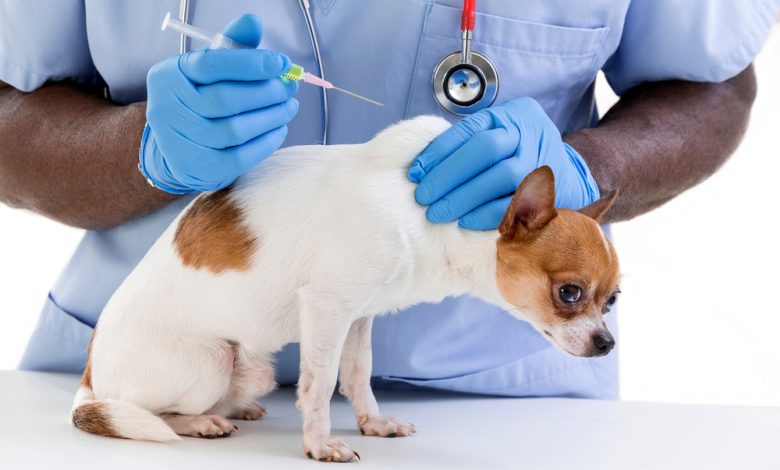
In South Africa it is law that pets are vaccinated against rabies. Dogs and cats should receive their first rabies vaccinations before three months of age. They’ll receive their second vaccination at three months, a third within 12 months, and annually thereafter.
Rabies is spread to humans and other animals through contact with saliva or tissue of infected animals, scratches, bites, licks on broken skin and mucous membranes of the lips or eyes.
Sadly, it is children who are especially at risk of encountering rabies infected animals, as they are more inclined to want to play with them.
“Affected animals also lose their fear and will approach people and places they normally don’t. Parents should therefore keep a close eye on their children and discourage them in all circumstances from interacting with feral, stray or unfamiliar animals that may be acting abnormally,” Dr. Fyvie explains.
He provides some tips on how to keep you and your family safe from rabies:
- Never take a chance. If bitten, scratched or in contact with their saliva, assume the worst and follow the treatment protocol as prescribed by the healthcare workers. There is simply nothing that can be done once the symptoms present themselves.
- Ensure your pets’ rabies vaccinations are up to date and if you are in an immediate outbreak area, have your pet revaccinated. If you can’t provide proof of a pet’s vaccination status, they may be euthanised, regardless of whether they are showing symptoms or not.
- Never let your pets roam the streets.
- Do not let your pets interact with unknown animals. An animal can become infected by fighting with another animal, even over a fence.
- Do not approach stray dogs or cats, especially if they are showing abnormal behaviour, such as being aggressive or very docile.
- If you suspect an animal is infected, contact the health authorities immediately. Do not try to restrain the animal yourself.
- Donate to a welfare organisation that conducts rabies vaccination outreach programmes. The higher the vaccinated animal population, the less chance there is of an outbreak.
“As pet parents we should all be doing our part in helping to raise awareness and reduce rabies fatalities in South Africa. If not dealt with effectively, rabies could once again become a serious public health concern,” concludes Dr Fyvie.