
Call on consumers to respect water restrictions
The urgency of Rand Water’s recent calls on consumers to respect water restrictions is not new – usually at the onset of summer. As temperatures rise water consumption increases. It’s natural. We cannot afford to waste water.
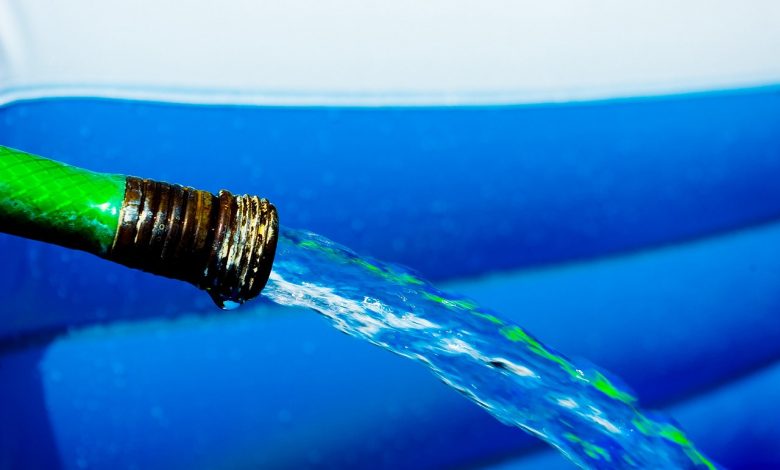
Until the second phase of the Lesotho Highlands Water Project comes online in 2027 Gauteng will experience growing water shortage threats.
The need to be frugal with our water use explains why scientists value the wisdom seated in the earth’s natural water cycle. Surface water constantly evaporates, self-purifies and returns as life-giving moisture to the earth.
Our highly ‘civilised’ and technologically-inclined system of managing water, is more than often aimed at selfishly dominating nature to satisfy our disrespectful demand for ‘never-ending’ water supplies.
But then, nature only provides us humans with 2% of earth’s fresh water to use. The rest is in the oceans, our clouds and underground.
Recently the Swedish activist, Greta Thunberg, reappeared on the international stager to alert the youth on the global climate crisis, as the countries of the world prepare for the United Nations Cop 26 Climate Change summit later this year.
As Germans went to the polls on 26 September, climate change was a prime influencer shaping the vote. North America, Western Europe and Asia have been subjected to flood disasters.
In the Southern Hemisphere we had droughts and massive wildfires – all symptoms of climate change.
Simply stated: floods and droughts are the result of disproportionate supplies of water in the earth’s hydrosphere at any given time, thanks to the water cycle, that is increasingly responsive to greenhouse gases in the atmosphere.
Is it therefore not time to look at ourselves when we contemplate a potential emergent Gauteng water crisis?
In the media Rand Water primarily speaks to domestic consumers. But there is a far larger target audience, beyond the confines of the household circle. Water thirsty industries and service delivery governance authorities also need to take note.
Local authorities need to instil trust with consumers, by repairing both leaking potable and wastewater pipelines. By setting an example, officials garner public trust.
By respecting local residents, along Batho Pele guidelines, they win confidence and nurture our sense of belonging in the neighbourhood.
A responsive service delivery environment will improve interpersonal relations and restore self-respect. Because we have been urbanising at an exceptional rate in South Africa since the mid-20th century, culturally sensitive values of respecting our water resources, have gone awry.
For many urbanites tap water is a given. But, by 2040 we are bound to globally face serious water crises. That is what global water authorities now are working on at averting.
If only we restore our personal dignity in a gesture of using all water responsibly, it may become a valuable building block towards creating the type of South African society we are deep down.
Currently, societal awareness is caught up in a hiatus of uncertainty, because of the COVID pandemic and prospects of dire economic and social prospects.
What’s needed is a stewardship resilience and a perspective of our future horizon as an exemplary society in Africa. To be sure, that will reflect in the way we respect our valuable finite water resources.