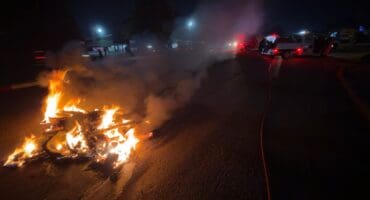
The potential risk of fire that comes with lithium batteries
The majority of fires in SA are structural, veld, electrical, vehicle, or lithium battery.
South Africa has seen a rapid rise in the popularity of alternative power solutions installed in residences, as homeowners look for ways to ensure a reliable source of power.
Lithium-ion batteries have proven to be very well-suited for inverters because of their long life and high voltage.
“It is important that homeowners understand the potential risk of fire that comes with lithium batteries and how difficult they are to control.
“Such a fire cannot be contained by water or other traditional measures. Lithium-ion fires don’t burn cleanly and can vent toxic gases into the surrounding area,” says Wahl Bartmann, CEO of Fidelity Services Group.
“If you have installed an inverter at home, we ask that you investigate whether your fire protection measures are adequate and whether they are suitable for lithium fires. Importantly these require a lithium fire extinguisher which should be placed close to your inverter or your battery bank,” says Bartmann.
In general, a fire at your home can happen when you least expect it and that is why it is good to have measures in place.
Use this fire prevention checklist to ensure your loved ones and your home are safe:
• Smoke alarms
• Fire extinguishers
• Electrical safety: Ensure all electrical cords and plugs are in good condition
• Heating appliances: Heaters should be placed at least 1 meter away from flammable materials
• Kitchen safety: Ensure your stove and oven are free from grease buildup
• Candles and open flames: Ensure they are placed on sturdy holders and kept far away from curtains, bedding, and other flammable materials. They should be extinguished before bed.
Finally, in the event of a fire, ensure you and your family have an escape plan.