
Thousands of patients’ records to be digitised at Sebokeng Hospital
MEC Nomantu Nkomo-Ralehoko unveils major strides in Gauteng’s health digital transformation.
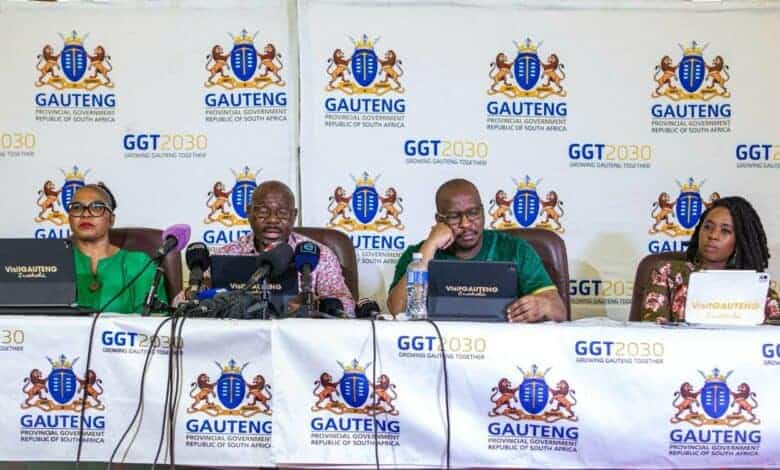
SEDIBENG. – The Gauteng MEC for Health and Wellness, Nomantu Nkomo-Ralehoko, together with various MECs, updated the media on the implementation of the provincial government’s key priorities recently.
Nkomo-Ralehoko highlighted that the Gauteng Department of Health is steadfast in realising the vision of creating a responsive, innovative, and sustainable healthcare system. She emphasised that digital innovation remains at the core of the department’s modernisation strategy.
Nkomo-Ralehoko added that the department has successfully implemented the Health Information System, which includes patient administration, billing, finance, and revenue modules across 33 Community Health Centres (CHCs) and 37 hospitals.
“We have begun the implementation of our Clinical Modules in 20 CHCs, with hospitals onboarded in phases to manage complexity and workflow, including Mamelodi, Charlotte Maxeke, and Dr George Mukhari Academic Hospitals,” said the MEC.
The Gauteng Department of Health (GDoH), she said, has also installed the PACS imaging system at 18 CHCs and 17 hospitals. Additionally, Phase 1 of the Integrated Patient Quality Management System has been completed at the Rahima Moosa Hospital and is currently being finalised at Charlotte Maxeke.
“Over 800 000 patient records have been digitised at Chris Hani Baragwanath Academic Hospital, with similar digitisation efforts underway at Steve Biko, Tembisa, Sebokeng, Leratong, and Thelle Mogoerane hospitals. This initiative ensures secure and efficient access to patient data across the province.”
The MEC reiterated the department’s commitment to improving health infrastructure to meet the growing demands of the population. Despite operating under a tight budget, the GDoH said that it has made steady progress in settling outstanding accruals, with R4.35b (54%) of its R8.07b accruals paid as of September, adding that major achievements have also been made in stabilising medico-legal claims.
The department said that it has reduced its contingent liability from R18b in 2023 to R6.9b in the current financial year.
“A new Accruals Reduction and Eradication Strategy ensure financial discipline, faster payments, and transparency. Payment compliance has risen sharply, from 0% in April to 83% in September, building supplier confidence and ensuring uninterrupted services,” said the MEC.
To ensure an adequately skilled workforce, the GDoH said that it is prioritising the filling of all critical posts, including CEOs, specialists, and senior management.
“Since April, 2 389 appointments have been made, including 540 Community Service Practitioners and 923 interns placed across various facilities. Furthermore, 940 nursing graduates from the Gauteng College of Nursing have joined the system, bolstering service delivery. The recruitment of lecturers and specialists is also underway to support the college’s new Postgraduate Nursing programmes and the expansion of clinical training. We also up-skilled 1 000 employees in End-User Computing, Hygiene, and HR Practice through partnerships with higher education institutions, ensuring a skilled and future-ready workforce,” added the MEC.
Moreover, Nkomo-Ralehoko announced the launch of the inaugural Gauteng Health Technology Investment Emporium.
“This Emporium will highlight the innovations and Centres of Excellence developed by our health professionals, demonstrating how modernisation, digital transformation, and infrastructure renewal are driving equity and service excellence, particularly within historically disadvantaged communities. Through this provincial initiative, we aim to attract private-sector partnerships and investments that will accelerate the department’s transformation agenda and advance National Health Insurance (NHI) readiness. A dedicated technical coordination team is already driving preparations at an advanced stage,” concluded the MEC.