
Six cat behaviours you should never ignore
Cat parents shouldlook beyond their pets’ larger-than-life personalities and pay closer attention to changes in behaviour that could indicate something is wrong.
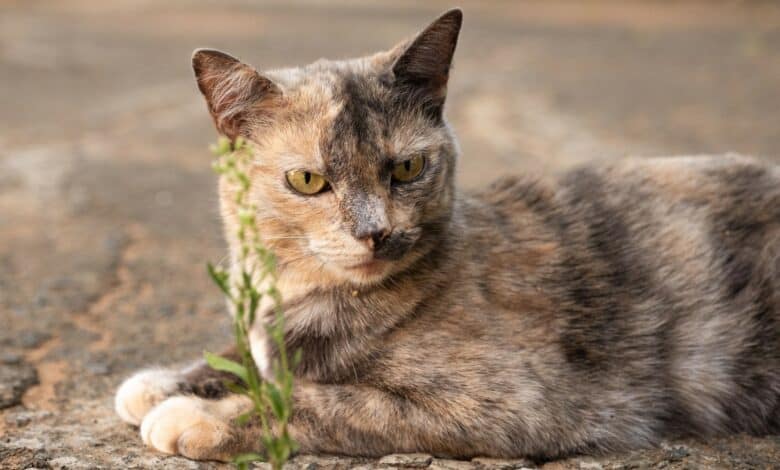
Many cat parents laugh off behaviours such as excessive grooming, hiding under the bed or suddenly becoming clingy, but according to veterinary experts, these seemingly quirky habits may actually be subtle signs that your cat is experiencing stress.
“Cats are incredibly skilled at masking signs of stress, discomfort and even illness,” says Dr Karien Brink, Veterinary Affairs Manager at Hill’s Pet Nutrition.
While stress is a normal part of life for both humans and pets, cats often communicate their discomfort in ways that can be easy to miss.
Changes in routine, unfamiliar visitors, loud noises, moving house, renovations, new pets, or shifts within the family can all trigger stress.
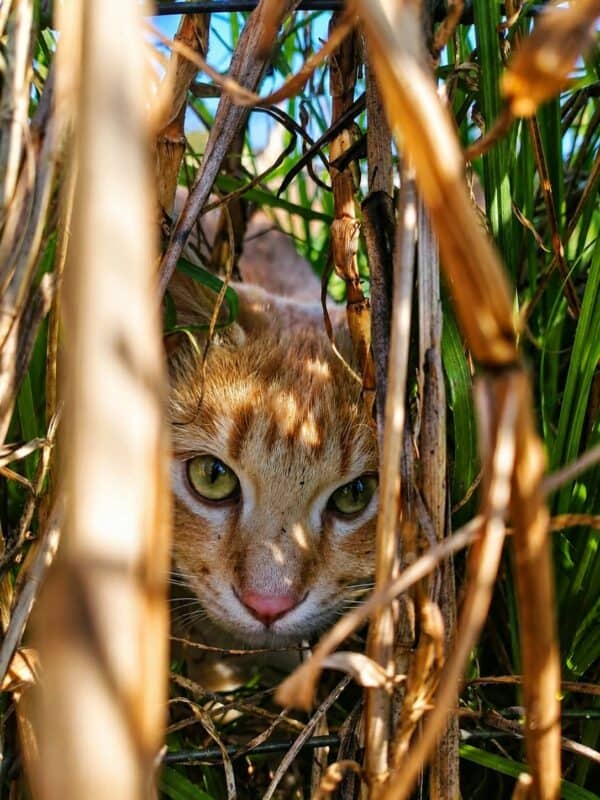
Six common cat behaviours that may deserve a closer look
The great stare down
What we think: “They’re having another dramatic cat showdown.”
What it could mean: Prolonged staring between cats can indicate tension, territorial behaviour or underlying stress.
The professional hider
What we think: “She’s being over the top.”
What it could mean: Spending significantly more time hiding can be a sign of anxiety, stress, illness, or discomfort.
Extra clingy
What we think: “My cat finally realised I’m the favourite human.”
What it could mean: Changes in social behaviour, whether becoming unusually clingy or unusually withdrawn, can sometimes signal that something isn’t right.
The overachieving groomer
What we think: “My cat is exceptionally clean.”
What it could mean: Excessive grooming may be linked to stress and anxiety.
The fussy eater
What we think: “My cat is being difficult.”
What it could mean: Changes in appetite can often be one of the earliest signs that a cat is experiencing stress or an underlying health concern.
Litter box changes
What we think: “My cat is acting out.”
What it could mean: Changes in urinary or digestive habits should never be ignored and may be associated with stress-related health challenges.