Competition Commission is looking into the decision by Premier Foods to close the fruit products plant.
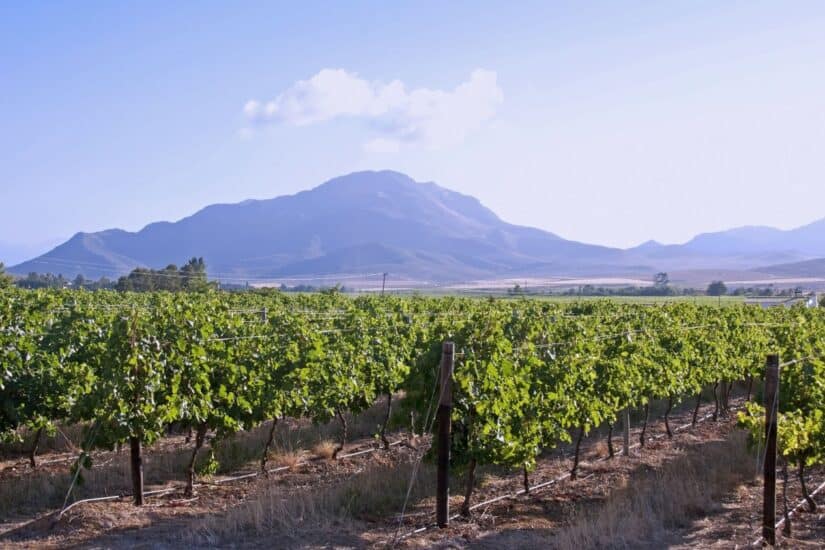
For illustrative purposes. Picture: iStock


The Congress of South African Trade Unions (Cosatu) has rallied behind Premier Foods workers facing retrenchment as the company moves to shut down its Fruits Products Western Cape (FPWC) plant based in Tulbagh.
Premier Foods acquired Rhodes Food Group Holdings in March this year. The deal was approved by the Competition Commission under conditions that included there should not be retrenchments for at least three years after the takeover. The closure of the plant could be a direct violation of this condition.
It is understood that the company is closing the processing plant due to declining global demand, pricing pressure and rising input costs. Premier Foods also cited the United States’ tariffs imposed last year as a contributing factor.
Workers affected by Premier Foods decision
The FPWC processes apricots, peaches and pears, and about 90% of the factory’s canned fruit production is exported, leaving the business heavily exposed to weakening international demand.
The decision to shut down the plant will affect approximately 3 000 permanent and seasonal jobs.
However, Cosatu said the whole value chain will be disrupted by the closure.
“The closure of the processing plant would destroy an estimated 80 000 jobs in the value chain, weaken agricultural production and devastate businesses throughout Tulbagh and surrounding areas,” said the union.
“Retailers, suppliers, transport operators and many other enterprises depend on the continued operation of the plant. This reckless decision threatens the economic future of the entire region.”
Cosatu rejects Premier Foods decision
The union said it “reject any attempt by Premier Foods to sacrifice workers and communities in pursuit of short-term profits for shareholders”.
The following are the immediate demands supported by Cosatu:
- The processing plant must remain operational;
- There must be no retrenchments and no removal of machinery from the plant;
- The current Section 189 retrenchment process must be suspended until the Competition Commission determines whether the proposed closure violates the commitments made when Premier acquired Rhodes, including undertakings relating to employment protection;
- Premier Foods must justify its claim that South Africa requires only one processing plant, as this assertion does not make sense;
- The company must disclose the financial and operational information underpinning its decision to close the Tulbagh plant.
Competition Commission investigates
Competition Commission spokesperson Siya Makunga confirmed to Business Times that the watchdog is looking into the decision by Premier Foods to close the FPWC plant.
“The commission recently became aware of the potential closure of Premier’s fruit products business in Tulbagh, Western Cape. Please note that the matter is now being investigated by the commission, and the commission will determine the appropriate steps to take once it has concluded its investigation of the matter.”
While the commission has not indicated whether it believes Premier has breached the merger conditions, its investigation raises questions about whether the planned retrenchments are merger-specific or stem from operational circumstances unrelated to the acquisition.
‘No longer economically sustainable’
Premier Foods last week said it has initiated a section 189 consultation process with affected employees, saying the plant is “no longer economically sustainable in its current form”.
Premier argues that the challenges are structural rather than company-specific, saying South Africa’s canned fruit industry is unlikely to sustain two sub-scale operations in the long term.
It said it had explored alternatives, including seeking a buyer for the business, reducing operating costs and assessing other options before deciding to begin the consultation process. The company further rejected suggestions that the proposed closure is linked to its takeover of Rhodes Food Group.
“This is a separate business sustainability matter driven by the standalone operating position of FPWC and the structural pressures facing the canned fruit industry. It is not related to the Premier/Rhodes Food Group merger or any merger-specific conditions.”
Exports worth over R1 billion
Jacques Jordaan, CEO of the Canning Fruit Producers’ Association (CFPA), told Farmer’s Weekly that the issue extended beyond the closure of a single factory.
“This is not simply the closure of one factory, but a decision with far-reaching consequences for an entire agricultural value chain,” he said. He noted that Premier Foods has the right to restructure its business how it sees fit, however, it should be done in a fair way.
“Closing the Tulbagh factory immediately, only three months before harvest, without meaningful consultation and despite existing rolling three-year supply agreements, is neither commercially responsible nor fair to the producers, workers and communities that have built this industry over generations.”
According to Jordaan, the Tulbagh facility processed between 55 000t and 60 000t of fruit annually, purchased approximately R300 million worth of fruit from producers, and supported annual exports valued at R1 billion to R1.2 billion.