Standalone refund system promises greater visibility, with both users and sellers required to register.
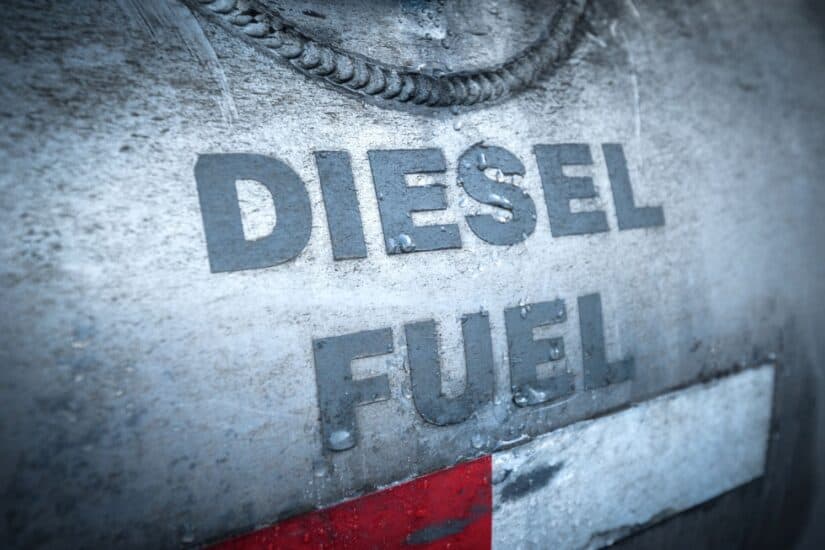
Picture: iStock


The South African Revenue Service (Sars) is introducing a new standalone diesel refund system that is being developed separately from the value-added tax (VAT) system. It forms part of Sars’s excise modernisation project.
All existing and new users will have to re-register on the new system, with the registration process starting on Monday (21 September).
In a significant change, both users and sellers of diesel will have to register, rather than only users. Claims for diesel purchased from a seller who is not registered with Sars will not qualify.
At a high level, there are certainly some positives to the new system, says Amanda Nkwanyana, a partner in the Webber Wentzel tax team.
“A standalone diesel refund system should, in principle, simplify administration and give both Sars and taxpayers greater visibility over registrations and claims. The move away from claiming through the VAT system may also create a more dedicated process for diesel refunds.”
Rules and rollout
Senior Sars officials on Friday shed light on the new system, the rules and the rollout process over the next couple of months.
The first phase is the registration of users and sellers.
Another change is the inclusion of contractors operating on a wet basis. Mahlatse Ledwaba, an excise specialist at Sars, says that under the current system only entities that purchase diesel for their own use qualify for the rebate.
Under the new system, contractors operating on behalf of other entities will also become eligible.
In terms of the new legislation, the qualifying categories are grouped into eight industries: agriculture (formerly farming and forestry), fishing, mining on land, offshore mining and offshore shipping, harbour shipping, rail freight transport, and electricity generation.
Registration applications can be submitted via eFiling or by booking an appointment at a branch office.
“Specific supporting documents, depending on the category, will be required and can be uploaded on the eFiling system.”
Ledwaba says applicants will receive an acknowledgement letter, a case number and a letter informing them of the outcome of their registration.
She stresses that until a “go-live date” has been announced, claims will continue to be submitted through the current system.
Deshen Pillay, a member of the team designing the electronic registration solution, says the registration process is split into three phases, with the registration of users and sellers as the starting phase.
The next phase will require users and sellers to declare their relationships to Sars. Nkwanyana says it appears that Sars intends to create a verified relationship between diesel sellers and users so that it can better monitor transactions and validate future claims.
Unanswered questions
“That being said, there are still a number of important practical questions that remain unanswered,” says Nkwanyana.
“Many taxpayers purchase diesel from multiple suppliers, but there was very little detail on how those multiple supplier relationships will be managed in practice, what administrative burden this may create, and what happens if one of those suppliers falls out of compliance.”
Another notable gap, she says, relates to logbooks and supporting records.
“Historically, the adequacy of logbooks and diesel usage records has been one of the biggest areas of dispute between Sars and taxpayers during diesel refund audits.”
She notes that the Sars webinar did not provide much detail on whether the substantiation requirements will change under the new system or how Sars intends to deal with these longstanding issues.
Ledwaba says there will be follow-up information sessions to inform taxpayers of all the requirements and assist them with the process as the system is rolled out.
The third phase will involve setting up users’ profiles. This will include their qualifying activities, site plans showing where the activities are performed, the equipment used, and the applicable licences and permits.
“This part is still under development and will only be implemented early next year. This will be in preparation for the second project, which is the actual claim functionality,” Pillay said during the webinar.
Key benefits
Chetan Vanmali, a leading indirect tax specialist at Webber Wentzel, identifies four key benefits:
- Improved transparency: Standalone administration should provide users with clearer visibility of registrations, claims, verifications and refund status.
- Better compliance and reduced fraud: Electronic registration, automated checks and seller-user relationship validation should strengthen compliance and reduce fraud.
- Faster processing: If Sars’s technology performs as intended, dedicated processing should allow diesel claims to be dealt with independently of Vat verifications and assessments.
- More predictable cash flow: Separating diesel refunds from Vat may reduce situations where diesel refund issues affect Vat refunds, or vice versa.
Since a large number of users and sellers must be registered and onboarded, the registration process has opened several months before the claim submission functionality becomes operational, Pillay says.
“This is to afford Sars sufficient time to onboard everyone and to be ready when the claim submission system is implemented,” he adds.
The new diesel refund system will only become effective once the claim submission functionality is implemented. Until then, claims will continue to be submitted through the existing Vat system.
This article was republished from Moneyweb. Read the original here.