
That may be good for Sasol and some coal producers, but freight operators - and ultimately consumers - will carry much of the cost.
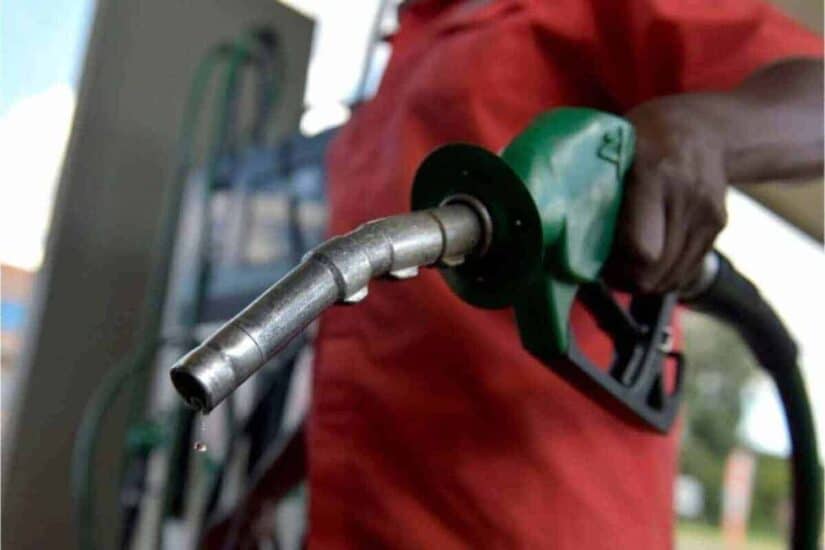
Picture: Neil McCartney


Diesel prices shot up an average 11.35% at midnight last night, as Brent crude oil broke above $90 a barrel following the outbreak of fresh hostilities between the US and Iran.
The increase pushes the wholesale price of 50ppm diesel back above R30 a litre. This level was first breached in May 2026, when the price reached a record R31.38 following severe disruption to energy supplies through the Strait of Hormuz.
Diesel subsequently dropped almost 20% to R25.16 by July as international fuel prices retreated, tanker traffic through the strait improved and the rand strengthened. However, that relief proved temporary.
South Africans are now paying three times more for diesel than 10 years ago.
Petrol prices increased by 5.27% at midnight, about half the increase in diesel. Consumers are now paying more than 120% for petrol than they did a decade ago. This compares with a 57% increase in consumer inflation over the same period.
“This increase in the price of fuel is yet another reminder of just how highly susceptible the industry is to the volatility of global oil markets,” says Gavin Kelly, CEO of the Road Freight Association (RFA).
“As fuel prices rise, transport companies, fleet operators, and freight customers must brace for the pressure on operational costs.”
Fuel price hikes threaten inflation target
Fuel has a 3.8% weighting in the consumer inflation basket. On that basis, the September increases could add roughly 0.2 to 0.3 percentage points to headline inflation directly.
The indirect impact is less certain. With fuel accounting for between 35% and 55% of road freight operating costs, the RFA’s figures suggest that an 11.35% diesel increase could raise transporters’ total costs by 4% to 6.2%.
How much ultimately reaches consumers will depend on fuel-surcharge arrangements and how much businesses absorb through lower margins.
This latest increase frustrates the SA Reserve Bank’s efforts to hold inflation to its target 3% level.
Headline inflation slowed from 5% in June to 4.3% in July after fuel prices declined sharply. Transport subtracted 0.4 percentage points from the monthly CPI movement, helping to offset increases elsewhere in the basket.
The September fuel increase is likely to reverse much of that relief and raises the risk of what the Reserve Bank calls “second-round effects”-higher transport and retail prices, stronger wage demands and rising inflation expectations.
Macro strategist and CEO of investment research firm Novaque, Shiven Moodley, says the latest fuel price increases are piling pressure on supply chains. Consumer inflation remains relatively contained at 4.3% but not so for producer inflation, which was 5.7% in July, and as high as 7.5% in June.
“Producer inflation remains elevated, while higher diesel and fuel costs are only beginning to filter through freight, manufacturing and retail distribution.
“The immediate impact may therefore be less visible in headline CPI and more evident in household disposable income and corporate margins,” says Moodley.
“The bigger risk sits in the transmission into the first quarter of 2027. Cost pressures accumulated through the final quarter of 2026 could increasingly be passed on to consumers, interrupting the current disinflation trend and potentially delaying the scope for monetary easing.
“That points more toward a cost-of-living and margin squeeze than a broader inflation crisis, particularly if businesses reach the point where thinner margins leave less room to absorb higher logistics and input costs.”
Sasol gains as fuel prices surge
The clearest winner on the JSE is Sasol, whose share price has roughly doubled since the end of 2025. This week it reported a 17% increase in profit to R60.7 billion for the year to June, while headline earnings per share rose 9%.
Coal exporters Thungela Resources and Exxaro may also benefit, with disruptions to oil and liquid natural gas supplies strengthening demand for alternative energy. Glencore could gain through its coal and commodity-trading operations.
“Sasol wins when oil prices spike. Everyone else, from freight operators to retailers and consumers pays for it. It’s the same oil shock, just distributed unevenly,” says Kea Nonyana, senior account manager and analyst at PrimeXBT.
Kelly says SA moves more than 80% of its land freight via road, while a sizeable percentage of rail freight also relies on diesel.
“One can understand that highly volatile fuel prices have an effect far beyond the road freight industry,” he says.
SA is largely dependent on imported fuel which must be settled in USD, which puts the rand under pressure and further increases the price of imports.
Higher fuel prices have turned Sasol’s coal-to-fuels business into both a profitable hedge against imported oil and a source of energy security for the country.
Sasol supplies about 30% of SA’s domestic fuel needs through its coal and gas-to-liquids operation at Secunda and its 63% share in the Natref crude oil refinery in Sasolburg.
Moodley says if the conflict in the Middle East is relatively short-lived and oil prices normalise quickly, the inflation impact is manageable given SA’s relatively low food inflation and strong rand.
“The Brent futures curve suggests that much of the current $90 to $95 a barrel oil price reflects a geopolitical premium concentrated at the front end, rather than a market expectation that these levels will persist indefinitely,” he says.
Other price risks noted by analysts include weather-related supply disruption, including El Niño-type conditions, which could place further pressure on agricultural output and logistics.
If that coincides with elevated transport costs, the damage to the economy will be more severe than current figures suggest.
This article was republished from Moneyweb. Read the original here.