



Recovery depends on ferrochrome prices and energy cost relief.
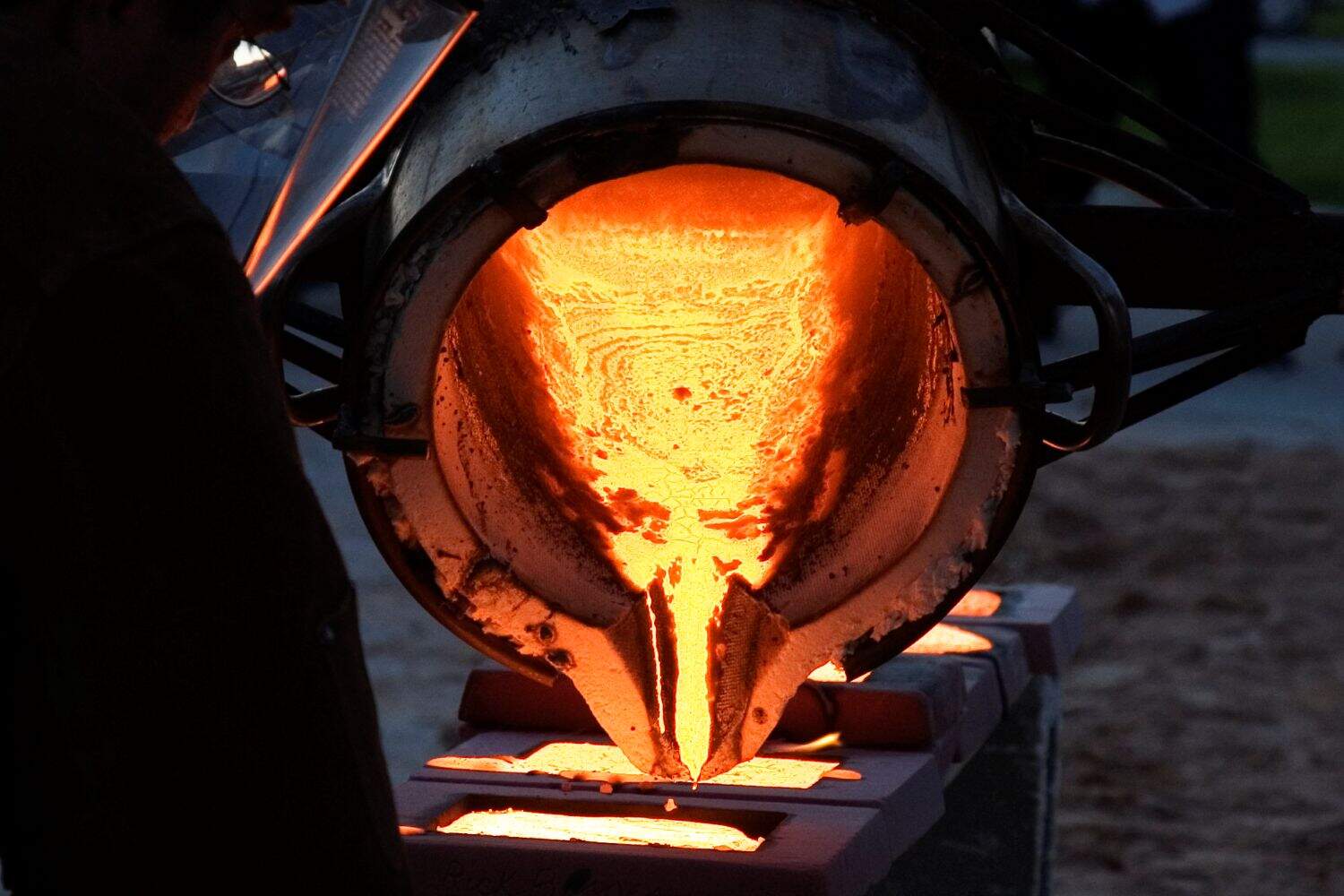
Electricity tariffs for the sector have increased by roughly 900% since 2008, leading to closures and retrenchments. Picture: iStock


Eskom has signed a memorandum of understanding (MoU) with Samancor Chrome and the Glencore-Merafe Chrome Venture – South Africa’s two largest ferrochrome producers – in a bid to halt a wave of retrenchments and smelter closures that have decimated a sector facing 900% electricity tariff increases since 2008.
The National Energy Regulator of SA (Nersa) is currently processing an application for an interim tariff adjustment which, once approved, will suspend retrenchments and return 40% of smelter capacity back online.
In parallel, government is working on a complementary mechanism to support a more competitive pricing pathway for the sector, expected to be finalised over the next three months.
The announcement from Eskom follows consultations with Minister of Electricity and Energy Kgosientsho Ramokgopa and organised labour.
“The MoU formalises a joint commitment to develop a sustainable, long-term intervention for the ferrochrome sector, which has been severely affected by global market pressures and rising production costs,” Eskom said in a statement on Monday.
ALSO READ: Eskom finalises MoU with ferrochrome producers to save thousands of jobs
Eskom group CEO Dan Marokane added: “Eskom welcomes the collaborative efforts of government, labour, and industry. The MoU creates a structured process to find a sustainable and responsible solution that maintains industrial capacity while protecting broader electricity consumers.”
Glencore-Merafe, responsible for roughly a third of SA’s chrome output, said it would extend the deadline for Section 189 consultations – required under the Labour Relations Act where retrenchments are involved – until the end of February 2026.
“This extension demonstrates the venture’s commitment to engaging constructively with government and other stakeholders to find a viable solution that can save jobs and support competitive beneficiation in SA,” said Glencore-Merafe, adding that this would not impact its own internal streamlining and efficiency programme called Project Phoenix.
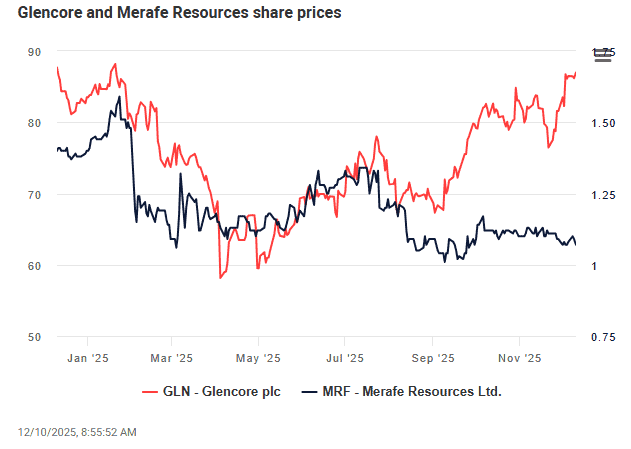
Samancor Chrome and Glencore-Merafe currently operate under negotiated pricing agreements (NPAs) approved by Nersa in October 2023.
ALSO READ: Glencore-Merafe retrenchments are another casualty of Eskom
These six-year agreements, which took effect earlier this year, fall under the Interim Long-Term Framework issued by the then Department of Mineral Resources and Energy in 2020.
The framework provides qualifying energy-intensive industries with access to more globally competitive tariff structures, aimed at supporting production, protecting jobs and maintaining South Africa’s industrial capacity.
Earlier this year, both smelters activated the “hardship provisions” of their NPAs as market prices dropped and electricity costs became increasingly difficult to absorb.
In response, Eskom applied for a temporary waiver of take-or-pay obligations, which Nersa approved for a limited period. While this helped stabilise operations temporarily, it highlighted the urgency of establishing a more sustainable, long-term solution.
The joint venture (JV) started shutting down furnaces in 2021 due to rising electricity costs and market weakness, and earlier this year mothballed its Boshoek and Wonderkop smelters.
Production was also suspended at the Lion smelter, the only remaining ferrochrome operation within the JV, but has since restarted. Its long-term viability hinges on ferrochrome price recovery and energy cost relief.
ALSO READ: Nersa approves cheaper electricity for Amsa
Eskom says it is committed to finding solutions that safeguard South Africa’s industrial capacity while protecting electricity consumers from unintended cost impacts.
“The collaborative approach under the MoU reflects a shared determination by government, industry, and labour to stabilise the ferrochrome sector and secure jobs. Eskom will continue to engage transparently and constructively with all stakeholders to ensure that the agreed interventions deliver sustainable benefits for the economy and the national electricity system,” said the utility.
In September it was reported by trade union Solidarity that nearly half of Glencore-Merafe’s 22 furnaces had been permanently or temporarily shut. Closure of the remaining furnaces endangered more than 2 400 jobs.
This article was republished from Moneyweb. Read the original here.
Support Local Journalism
Add The Citizen as a Preferred Source on Google and follow us on Google News to see more of our trusted reporting in Google News and Top Stories.

