


Halfway point of the year can be used to reflect.
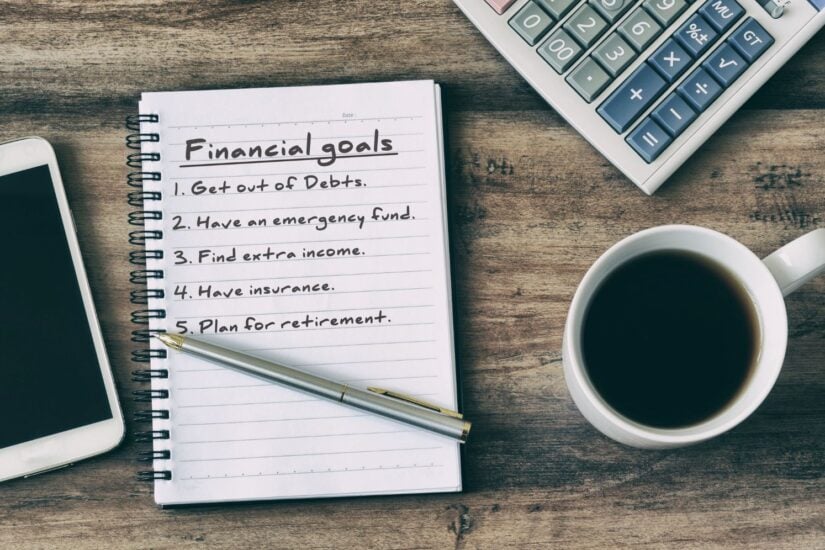
For illustrative purposes. Picture: iStock


At the start of every year, many South Africans set financial goals: to save more, pay off debt, build an emergency fund, buy a home, protect their families, or simply feel more in control of their financial journeys.
But by the time June arrives, the reality of everyday life often catches up. School expenses, unexpected bills, rising living costs, family responsibilities, and changing priorities can make it difficult to stay focused on the plans made in January.
The good news is that the halfway point of the year is not a sign that goals have failed but rather an opportunity to reflect, reset, and make adjustments to get your 2026 money goals back on track.
Optimistic about the rest of the year
Papadi Rantsoareng told The Citizen there are things that have not gone her way during the first half of the year, but that does not mean the rest of the year will be bad.
“When the year began, I had set 10 goals that I wanted to achieve by the end of the year,” she said. “So far I have achieved four out of the 10. It is moments like these I remember my parents’ teachings about always looking for a positive side.
“So, for me, the glass is half full and not half empty. There is still six months left in the year and that is plenty of time for me to re-evaluate my goals, even achieve most of them.”
Life changes during the year
Kamal Patel, senior financial adviser at Old Mutual Personal Finance, said financial planning is not about being perfect from January to December.
“Life changes, and your financial plan should be able to change with it. A mid-year check-in gives people a chance to understand what has changed, what is working, and what small actions they can take now to protect the goals they are working towards.”
He is of the view that June provides the perfect moment for individuals and families building their financial futures to take stock of their progress.
Questions to ask
When assessing your finances, Patel suggests asking two important questions:
1. Am I still moving towards the goals I set at the beginning of the year?
Whether the goal was saving for a deposit, reducing debt, investing, building financial security, or protecting loved ones, consider whether your daily money choices and habits are still supporting those priorities.
2. Has anything changed in my life that requires me to adjust my plan?
Life rarely stays the same for six months. A new job, salary change, new family responsibilities, increased expenses, or a major purchase may mean your financial priorities need to be reviewed.
Patel added that for those who realise they are not where they hoped to be, the answer is not to abandon the plan, but rather to reset it and focus on getting back on track.
Successful year so far
Neo Tladi told The Citizen that, for her, it has been a good year because her goals are not tied to a specific timeline.
“I have never set my goals according to a timeline because that just adds unnecessary pressure,” she said.
“I take life as it comes. I know what I want, and I know what I have to do to achieve it. And so far, it has been going well for me. I have learned some things take time, but at the end of the day, I will achieve everything.”
3 practical ways to get back on track
Patel shares three practical ways to get back on track before the end of the year.
1. Review your budget and prioritise what matters most
A mid-year review is a chance to identify where money is being spent and decide what can be adjusted. This does not mean cutting out everything you enjoy. It means making sure your spending reflects what matters most to you.
“Small changes, such as reducing unnecessary expenses, renegotiating certain commitments, or redirecting money towards savings, can make a meaningful difference over time,” he said.
2. Restart or strengthen your savings habit
If your savings pattern has fallen behind, start again with an amount that feels achievable. The goal is consistency. Even small, regular contributions can help build financial resilience and create momentum.
“People often underestimate the power of starting again. A smaller amount saved consistently is better than waiting for the ‘perfect’ month that may never come.”
3. Revisit your long-term financial plans
As circumstances change, so do financial needs. Customers who have started families, changed jobs, bought property, or taken on new responsibilities should review whether their financial plans still protect the life they are building.
“Your financial plan should support your current reality and your future goals. The purpose of a review is not to highlight what has gone wrong, but to make sure your decisions today continue supporting the future you want,” Patel noted.



