This follows World Bank recommendations and to revive a scheme widely believed to be failing locally.
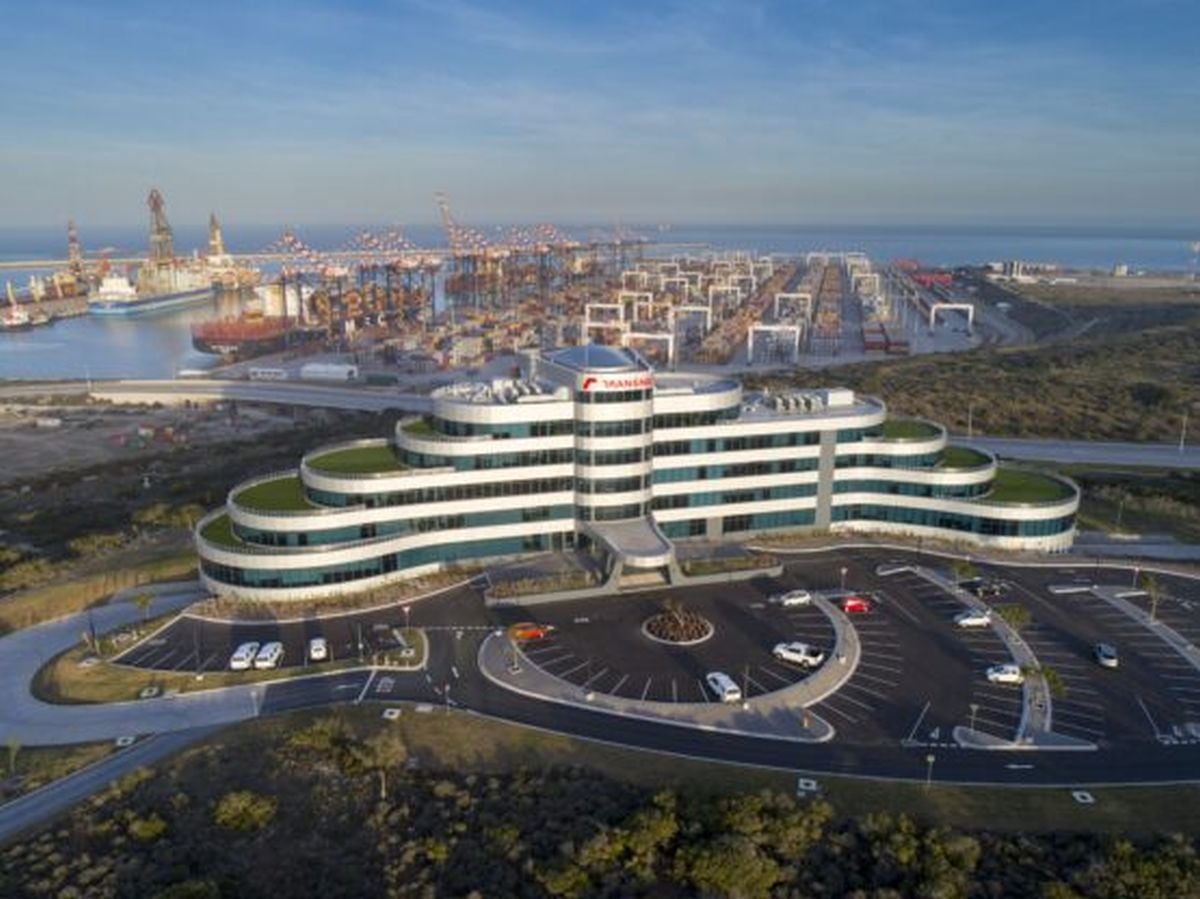
The Port of Ngqura in the Eastern Cape, which is adjacent to the Coega SEZ. Image: Supplied


The South African government says it is considering allowing privately-owned Special Economic Zones (SEZs) with enhanced incentives and fast-track permitting to boost investment and create jobs.
In one of the strongest signals yet that government is serious about reversing SA’s deindustrialisation path, President Cyril Ramaphosa said on Thursday that SEZs form a crucial pillar of the country’s new industrialisation strategy.
Speaking during a video address to delegates at the 2nd International SEZs Conference in Durban on Thursday night, Ramaphosa said government would look at implementing World Bank recommendations calling for better incentives and private SEZ ownership.
SA has 12 SEZs, but only four – Coega, East London Industrial Development Zone, Dube TradePort and Tshwane Automotive SEZ – have attracted any meaningful investment since launch in 2014.
Government has invested R25 billion in these 12 zones which attracted a total investment of R34 billion and created 30 000 jobs, generating revenue of R14 billion for the fiscus. One of the best SEZs in SA is the Tshwane Automotive SEZ which has attracted pledged investment of R12 billion.
China’s and Vietnam’s most successful SEZs have attracted many multiples of the initial public investment and created millions of jobs. Unlike SA, these programmes are largely privately owned and run.
South Africa’s SEZ programme has been criticised as weak on incentives, swaddled in red tape, constrained by BEE procurement rules – and run by government. The promise of a one-stop SEZ shop is far from reality for most businesses applying to enter these zones.
SEZs are designated industrial areas where businesses receive tax, customs and regulatory incentives to encourage investment, manufacturing, exports and job creation.
“Our SEZ programme has become one of the cornerstones of our national investment strategy,” said Ramaphosa. “Through modern infrastructure, secure industrial sites, reliable utilities, efficient logistics and integrated one-stop investor support, our SEZs reduce the cost of doing business and improve investor confidence,” the president said.
Ramaphosa’s comments come just weeks after the release of a World Bank report calling for private sector industrial parks to be designated as SEZs, using the Dube TradePort SEZ in KwaZulu-Natal as a template for the rest of the country.
The report also called for the 15% corporate tax income tax rate (instead of the standard 27%) to apply across all SEZs, and not just a few – as is currently the case.
Only 12% of businesses within South African SEZs have successfully claimed the headline 15% tax rate – a damning indictment of the incentive’s accessibility, says the World Bank.
It also calls for accelerated depreciation write-offs, VAT exemptions, import duty rebates, zero-rating of exports and employment tax incentives.
The World Bank study found that 67% of SEZ operators believe the current SEZ policy is not working well, with 57% citing tax incentive eligibility criteria as the most impractical SEZ Act requirement.
South Africa positions investment promotion at the centre of its economic programme, said Ramaphosa. Earlier this year it was announced that SA had secured R890 billion in investment commitments in mining, mineral beneficiation, automotive manufacturing, agro-processing, tourism, renewable energy, digital technologies and the green economy. Much of this investment is destined for SEZs.
“Around the world, nations are reshaping their industrial policies to strengthen supply chains, improve competitiveness and secure strategic industries. South Africa must do the same,” said Ramaphosa.
“Our SEZs are central to this effort. They will play an increasingly important role in advanced manufacturing, electric mobility, renewable energy technologies, green hydrogen, battery manufacturing, digital industries, pharmaceuticals, agro-processing and the beneficiation of our abundant mineral resources.”
The World Bank found SA’s job creation through SEZs lagged peer countries on jobs per hectare, and was weak on employment tax incentives and skills development (with just two people trained per R1 million spent). Municipalities contributed R3.1 billion to these zones, which was a significant and under-recognised benefit.
SA also compared unfavourably with countries like India, which has 276 operational SEZs attracting investment of $82.8 billion and generating more than three million jobs.
China has 232 national economic and technological development zones which now account for a quarter of its international trade and hosts more than 60 000 foreign companies.
Opposition from labour
SEZs have faced opposition from labour organisations in SA who fear the attrition of hard-won labour rights in these zones. The same fears dogged the launch of five SEZs in China in 1980, where the Chinese Communist Party was concerned these would build pressure for more broader reforms across the economy.
The SEZs in China turned out to be a runaway success, igniting an economic boom that dragged millions of Chinese out of poverty.
In a 2025 report, the Centre for Development and Enterprise made several recommendations to improve SEZ outcomes, including allowing SEZ factories to set their own working conditions and wages; make all imports duty-free rather than subject to rebates; relax rules governing the movement and employment of skilled foreign workers; only allow goods for export to be made in these zones; and allow private ownership of SEZs.
At least part of this message appears to have landed on the president’s desk.
This article was republished from Moneyweb. Read the original here.