


The City of Tshwane has confirmed that it has no immediate plans to levy property rates at the appropriate punitive...
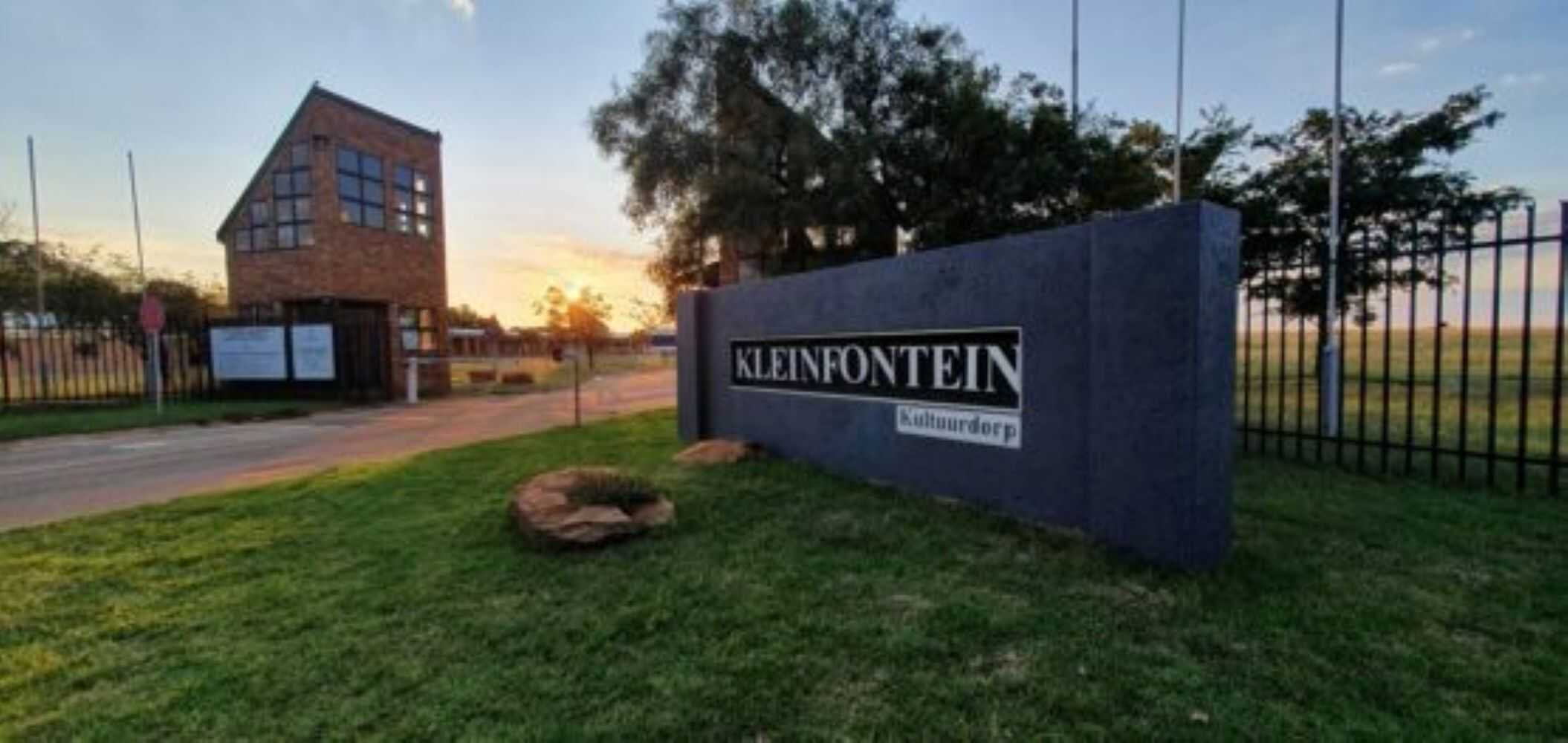
The city recategorised the Afrikaner settlement Kleinfontein to non-permitted use, which sets its rates tariff at 7.5 times that of normal residential property. Picture: Kleinfontein Facebook page


The City of Tshwane has confirmed that it has no immediate plans to levy property rates at the appropriate punitive scale in the numerous illegal developments in and around Pretoria, despite its dire financial situation.
That means other property owners will continue to subsidise them by paying more, since the amount of revenue the city budgets for is spread proportionally among the paying owners.
This comes as the city is trying to delay the court-ordered payment of around R1.5 billion in salary increases for municipal staff outstanding since 2022, because it does not have the money to do so.
By failing to categorise illegal developments – where owners of thousands of formal houses are not paying property rates – as non-permitted use, the city is ignoring its own rates policy, says Rates Watch director Ben Espach.
Lex Middelberg, councillor for the Republican Conference of Tshwane, points out that the city is acting inconsistently, since it had recategorised the illegal Afrikaner settlement Kleinfontein to non-permitted use, which sets its rates tariff at 7.5 times that of normal residential property.
Moneyweb previously reported that Kleinfontein’s total monthly property rates bill jumped R5 230 in August to R126 148 in September 2024 due to the recategorisation.
In July last year Moneyweb further reported that the Tshwane city council had approved the implementation of such penalty rates on 713 property owners identified by the administration for illegal land use and failure to take remedial action.
ALSO READ: Relief for Kleinfontein?
What the city says
Responding to an enquiry from Moneyweb, Tshwane MMC for Human Settlements Alderman Aaron Maluleka says:
“The city has not adopted a position to automatically recategorise illegal developments as ‘unpermitted use’ for property tax purposes.”
“Any decisions relating to valuation or taxation will be informed by the approved framework, applicable legislation and council processes,” says Maluleka.
“The city’s approach is guided by the principles of legality, fairness and proportionality, particularly in cases where residents acted in good faith and were misled by third parties.”
ALSO READ: Kleinfontein is not an illegal township, maintains CEO
Discretion not allowed, but ‘new framework’ coming
According to Espach, the Tshwane rates policy however requires such categorisation and there is no discretion in this regard.
“Any such waiver would be unlawful.”
He notes that municipalities are legally allowed to change their rates policies only once a year as part of with their budget process. A new or amended policy then takes effect on 1 July, together with the new budget.
The city established a Mayoral Sub-Committee on Illegal Townships and Settlements on 14 May 2025 and mandated it “to develop a comprehensive, legally compliant and sustainable response to the establishment of illegal developments across the city.”
The report of the sub-committee will serve before the mayoral committee this week.
“This step is significant, as the approved framework will guide all further engagements and outcomes,” Maluleka told Moneyweb.
“Any recommendations emerging from consultations with landowners and residents must align with this framework. Where necessary, the city may subsequently propose lawful policy alternatives or reforms, including requests to council for legally permissible waivers, to address realities on the ground while safeguarding the integrity of the city’s planning system.”
ALSO READ: Kleinfontein can’t escape the law any longer
Maluleka says substantial progress has been made.
“The Terms of Reference have been approved, multiple meetings have been convened, and a consolidated list of 17 identified illegal townships has been compiled using inputs from the Economic Development and Spatial Planning Department and other municipal departments.
“These include Rapao View or Rapao Village, Moloto City, Laezonia, Leeuwfontein, Elandsfontein Plots, Moshate Gardens, Prestige, Wallmannsthal, Haakdoringboom, Onderstepoort, Kleinfontein, Mooikloof and Kudube Unit 6.”
According to Maluleka the sub-committee has completed the first phase of consultations with affected landowners and residents.
“More than 25 landowners were engaged, many of whom expressed willingness to pursue practical and lawful solutions, including regularisation, land disposal or partnership arrangements, subject to legal, valuation and planning processes.
“Seven public meetings were also held with residents, who consistently called for regularisation rather than punitive measures and indicated willingness to comply with lawful development requirements.”
ALSO READ: Exclusive Afrikaner township defends legality after court orders Tshwane to enforce bylaws
Municipality is ‘concerned’
Maluleka says the city is concerned about the loss of municipal revenue resulting from unbilled or illegally consumed services, the systematic disregard of planning and land use by-laws, and the broader consequences of these practices.
“Illegal developments undermine orderly spatial planning, strain infrastructure, degrade the natural environment and ultimately erode the principles of sustainable and inclusive urban development.”
A second phase of consultations with landowners and residents is scheduled to take place between 31 January and 8 February 2026.
Final recommendations will be developed once these engagements and outstanding technical assessments, including infrastructure capacity evaluations, are concluded, Maluleka says.
No fixed date has however been set for submission of a final report to the mayoral committee.
ALSO READ: Tshwane ‘wilfully ignoring’ its own property rates policy – Rates Watch
Why was Kleinfontein singled out?
Middelberg points out that none of the almost 20 identified illegal developments were categorised as non-permitted use in the latest Tshwane valuation roll, except for Kleinfontein.
Many of the valuations were also far below market value. He personally submitted objections to such valuations and is still awaiting feedback.
He accuses the governing ActionSA/ANC/EFF coalition of electioneering in the run-up to the municipal elections later this year.
“They know there are up to 200 000 voters living in those developments and don’t want to anger them by demanding property rates now.”
This article was republished from Moneyweb. Read the original here.
Support Local Journalism
Add The Citizen as a Preferred Source on Google and follow us on Google News to see more of our trusted reporting in Google News and Top Stories.

