
Life is like a box of chocolates; you never know what you’re gonna get. Forrest Gump, aka Tom Hanks, squeezed...
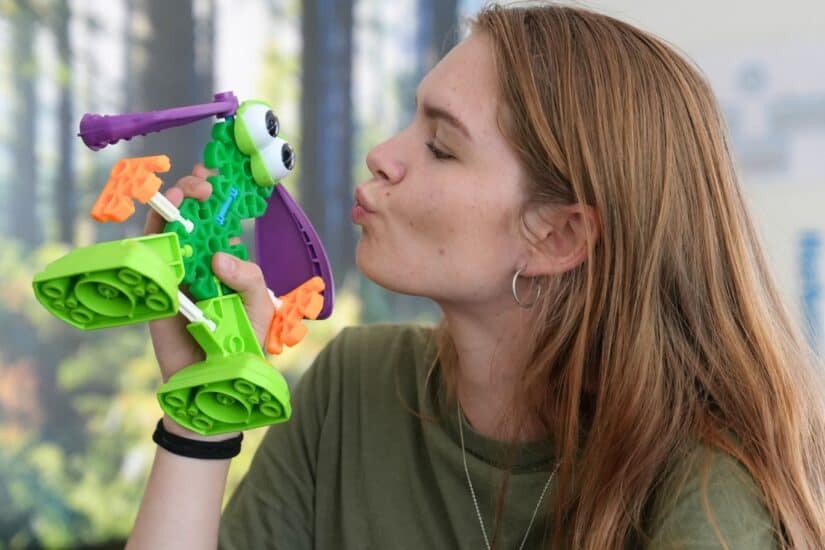
Gen Z Juanne James loves what she does. Picture Hein Kaiser


Life is like a box of chocolates; you never know what you’re gonna get.
Forrest Gump, aka Tom Hanks, squeezed this adage into popular culture just over three decades ago. And it’s so damn true, as Benoni GenZ Juanne James discovered when she found her calling by happenstance.
The thing is, at 21, the world is supposed to be your oyster, but figuring out what to do with the rest of your life is an uneven science.
James stumbled upon her answer, and it came in the form of Lego, a classroom full of children and the self-discovery that she has a knack for helping others.
James works as an instructor at Young Engineers in Benoni, where she teaches children how things work by getting them to build mechanical models.
Her classes include children with autism, attention deficit hyperactivity disorder (ADHD), Down syndrome and behavioural challenges.
And while the lessons introduce engineering principles, she said that what happens beyond the nuts and bolts is where the job is most rewarding.
It’s about helping children discover what they are capable of achieving, sometimes despite the challenges they face.
Discovering what they can achieve
“I never really planned to work with children with special needs. It just happened, and I had to learn along the way. But I have always wanted to help people, and now I get to do that every day. It’s something that has become very important to me,” she said.
The lessons can involve building anything from a washing machine to a crane, with children learning about gears, transmissions and mechanical movement as they assemble their Lego models.
Getting from a pile of bricks to a working model is not always straightforward, particularly when concentration is difficult, or frustration gets the better of a child.
A 2022 randomised controlled trial evaluated Lego-based therapy among 250 autistic children. The research found some improvements in some measures of social interaction, and the findings suggested structured building activities may offer opportunities to develop cooperation and communication skills.
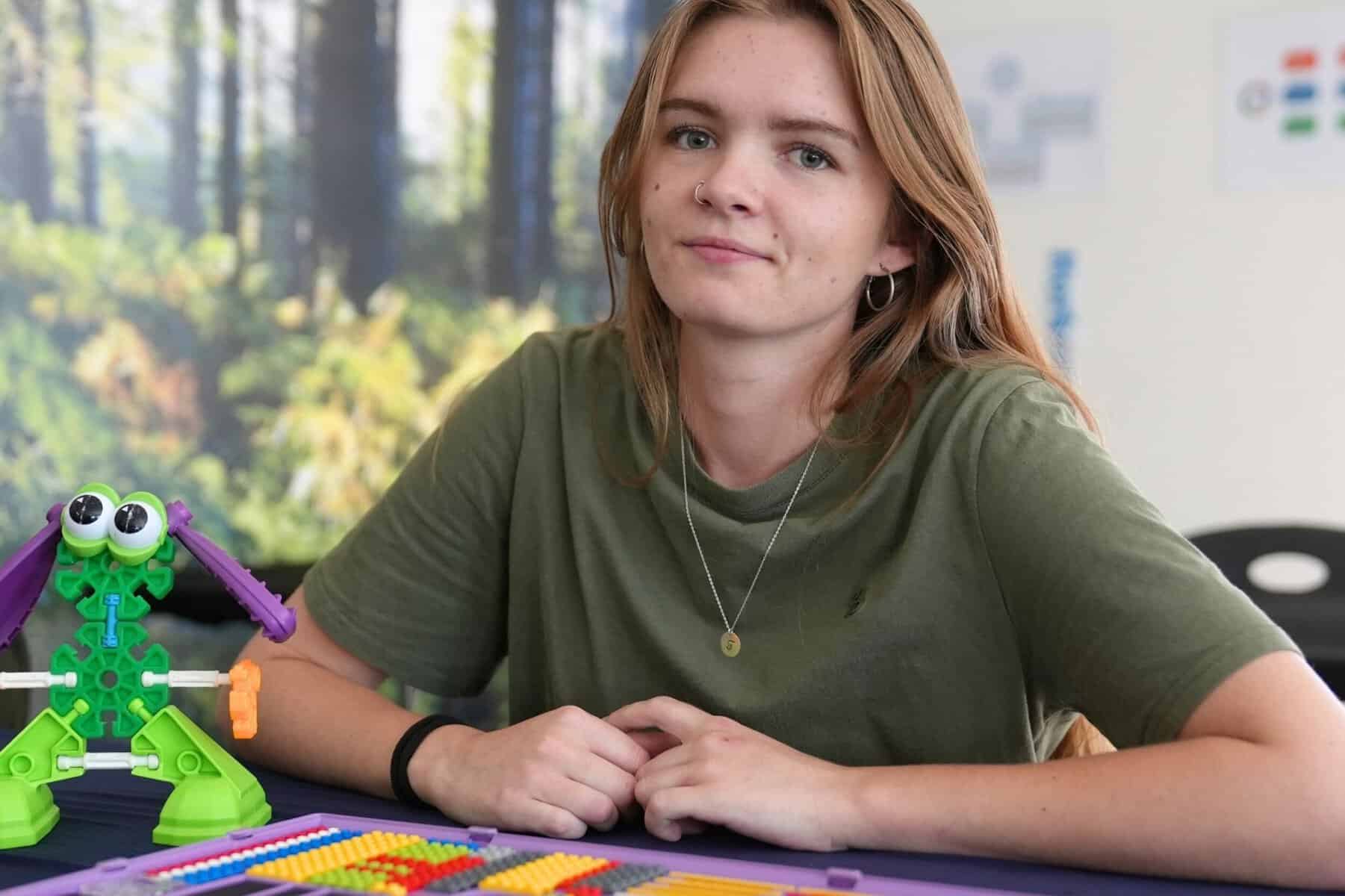
James said getting children to think through a problem rather than simply giving them the answer is an important part of her teaching.
“When something doesn’t work, I don’t want them to think they have failed. I want them to look at what went wrong, try something different and see whether they can solve it.
“They are learning to think and approach challenges, and I think that’s something they can use in other parts of their lives as well.”
Learning to work together
Patience, she said, is probably the most important thing she has learnt.
Sometimes it means explaining the same instruction several times, allowing a child to stand while working or finding another way to make a difficult concept understandable.
Understanding individual interests can also make the difference between frustration and enthusiasm.
“Every child is different. Some need more time, some need encouragement, and others need somebody to sit beside them and explain things differently. You cannot expect every child to learn at the same pace. I have learnt that patience can make an enormous difference.”
She also encourages teamwork, occasionally pairing children who would not ordinarily choose to work together. It gives them an opportunity to communicate, cooperate and accommodate somebody else’s way of doing things.
“Some children prefer working alone, but when they build together, they also learn how to help somebody who might be different from them. I think that’s important because they need to understand that everybody has different strengths and that you can still accomplish something together.”
James has noticed that some children become more independent as they learn to complete tasks without constantly asking for assistance. She encourages them to persevere rather than allowing frustration to end an exercise.
It’s in her genes, she said. Her grandmother raised her to help people wherever possible, and those lessons have found an unexpected application in her working life.
“I always wanted to make a difference to somebody. I didn’t know how that would happen, but even a small change in one child’s life means I’ve accomplished something. I think helping these children is a big part of my calling,” she said.