



While thousands of post-matrics head to university, many also don't get a seat at the table. But varsity is not the only career starter.

Careers in aviation are varied. Picture iStock


Thousands of young South Africans have banked their matric results and are stepping into the big, wide world. Not all of them, however, are heading to university. Some won’t make the cut academically. Others simply won’t find a place.
Further study in South Africa, along traditional lines, has become scarce. There are roughly 235 000 first-year spaces available at public universities, with another 120 or so private institutions catering to those who can afford them. Estimates suggest that between 80 000 and 100 000 matriculants with university exemption will still be left out.
Jade, who has just completed matric and is set to begin studying law, said her career options were limited, but not by her own choice.
“In my family you have three options,” she said. “Accountant, doctor or attorney. I didn’t have much of a say, even though I would rather have pursued something in media or the arts.”
‘You are always taught to go to university after school’
For Alleah Church, who matriculated in 2024, the journey looked very different.
“I didn’t follow the route most people do, even though I always thought I would,” she said. “You’re taught that you finish school, go to university or college and then get a job. That’s not how it worked out for me.”
Instead, her early working years nudged her towards working with children. Over the past year, she has been employed as a wellness facilitator at Heavenly Healing in Benoni.
“I was lucky enough to get external guidance and land on a very unconventional path,” she said. That choice, however, came with judgement. “I don’t think following the path older generations set for themselves, and for us Gen Zs, is the only way.”

Traditional career paths such as law, accounting or a standard BCom or BA degree are not the only options available. There are multiple vocational and industry-based routes that can lead to long-term careers, sometimes in unexpected places.
Take aviation. Becoming cabin crew requires around six weeks of intensive training, certification and licensing through the South African Civil Aviation Authority. Many training schools assist graduates with job placement and once inside the industry, the career pathways widen considerably.
Building unconventional career paths
Airlink’s head of commercial, Katherine Whelan, said cabin crew roles offer real entry points into aviation.
“This occupation particularly suits people who enjoy working with others, who are engaging and have a generally positive disposition,” she said. “Many cabin crew begin their careers in South Africa and later move on to international airlines. Once you are in the sector, other opportunities often become easier to access.”
Trades such as plumbing, fitting and turning, and electrical work remain in high demand both locally and abroad. Vocational colleges and apprenticeships offer hands-on routes into these professions, often with far quicker entry into the workforce.
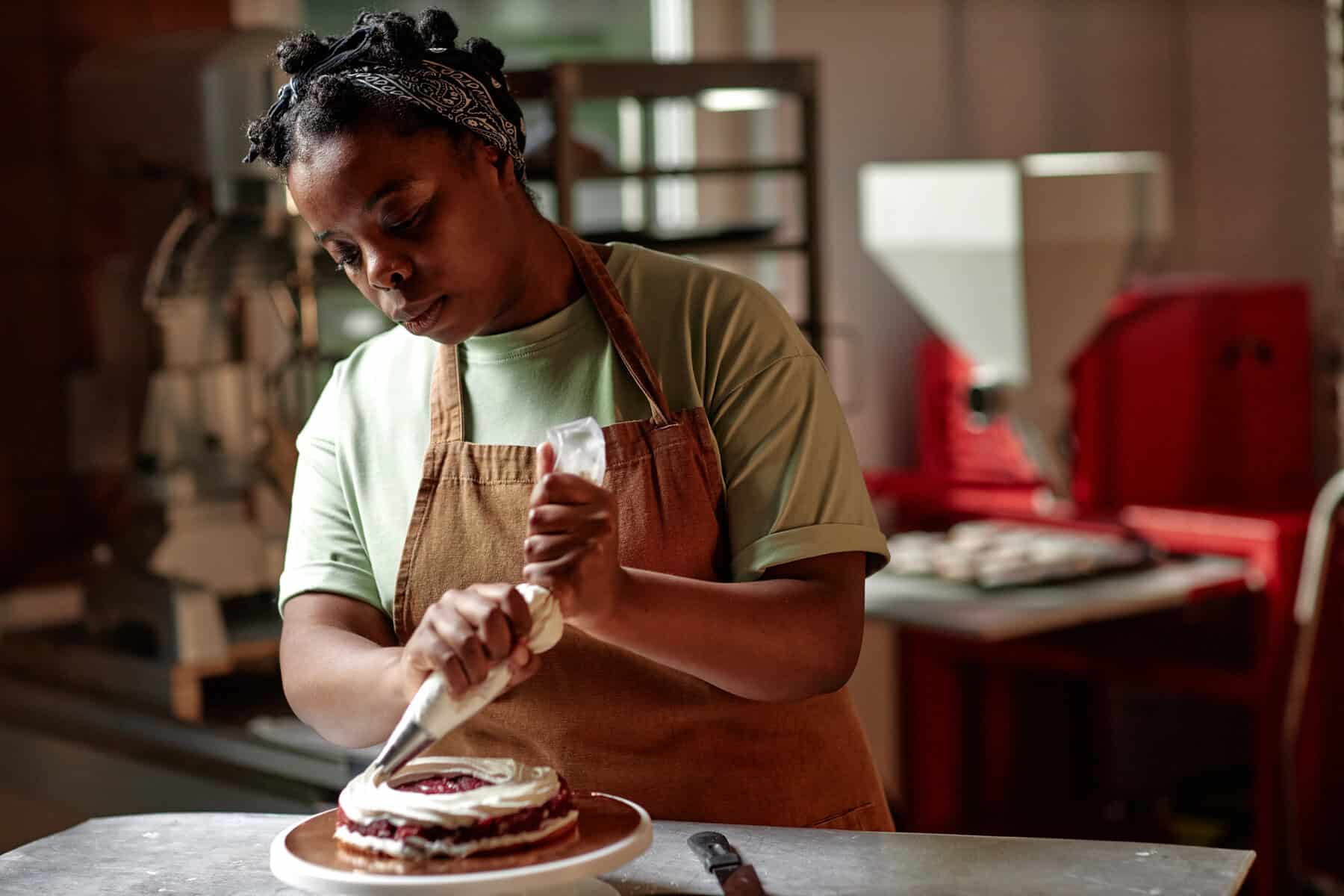
Hospitality offers similar alternatives, with hotel schools and chef academies across the country providing career trajectories that don’t involve chasing a corner office.
Conventional scripts are outdated
University is often sold as the single gateway to adulthood, success and the picket-fence dream. It isn’t. There are also careers few people ever consider, but which can pay the bills or fund a life that looks very different from the conventional script.
ALSO READ: Mzansi’s people: From packer to manager
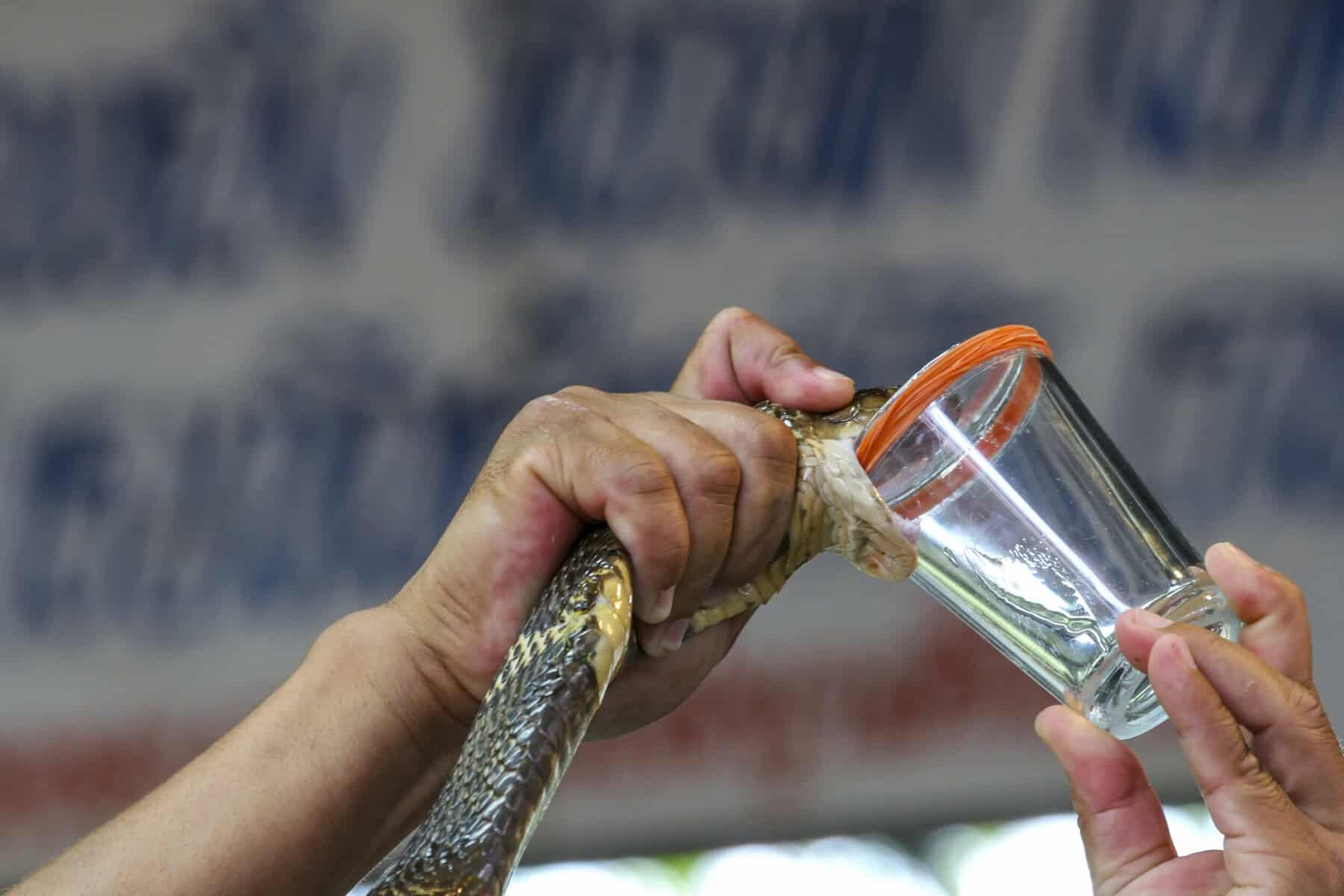
Some demand physical grit and a strong stomach. Golf ball divers free-dive into ponds to retrieve lost balls. Snake milkers extract venom for medical research. Water-slide testers get paid to bruise so you don’t.
Odour testers are professionally trained noses. Sensory scientists, sometimes called face feelers, measure how skin responds to creams. Nail polish namers turn colours into moods and jokes that end up on millions of bottles worldwide. These are all real jobs.
Funerals are a steady business
The funeral industry is also steady business. Beyond professional mourners, there are funeral directors and embalmers who ensure the dead are prepared for their final farewells.
Artificial intelligence, prompt engineering and emerging roles in the knowledge economy are opening yet more doors.
For Jade, entrepreneurship remains an option too, after graduating. “There are so many problems to solve in a time-starved society,” she said. “A bit of lateral thinking can open up real opportunity.”
NOW READ: Unexpected journey that turned a visitor into a five-star bush resort owner
Support Local Journalism
Add The Citizen as a Preferred Source on Google and follow us on Google News to see more of our trusted reporting in Google News and Top Stories.

