France captain Kylian Mbappé's strong response has led to worldwide condemnation and possible legal action against the Paraguayan politician.
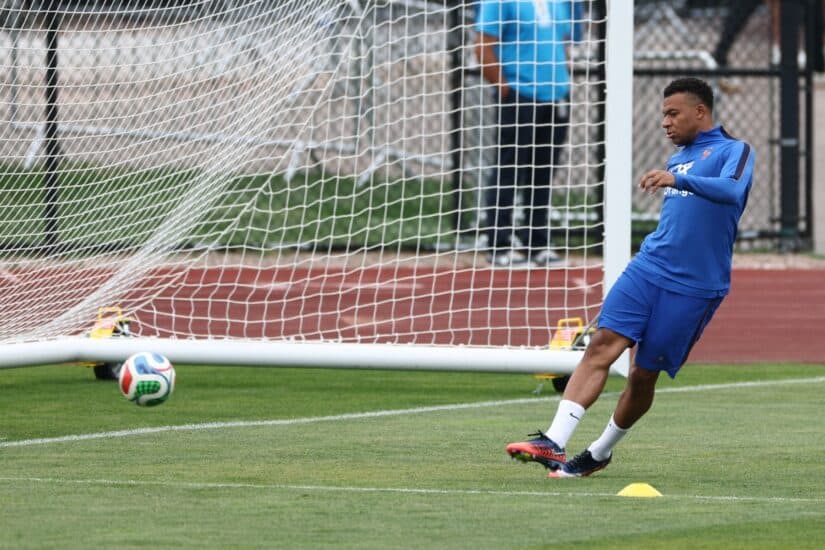
France’s forward #10 Kylian Mbappe takes part in a training session at Bentley University in Waltham, near Boston, on July 6, 2026, during the 2026 World Cup football tournament. Picture FRANCK FIFE / AFP


France captain Kylian Mbappé has found himself at the centre of a global conversation on racism.
This followed a Paraguayan senator’s racist attack against him after France’s 1-0 victory over Paraguay in the FIFA World Cup Round of 16.
In a series of posts on X, Paraguayan senator Celeste Amarilla hurled insults at the French forward, referring to him as a “colonised Cameroonian” who had “pretended to be French”. She also reportedly called him a “brute” who had not learned to write. This prompted swift condemnation from across the sporting and political world.
Mbappé refused to remain silent.
The statement
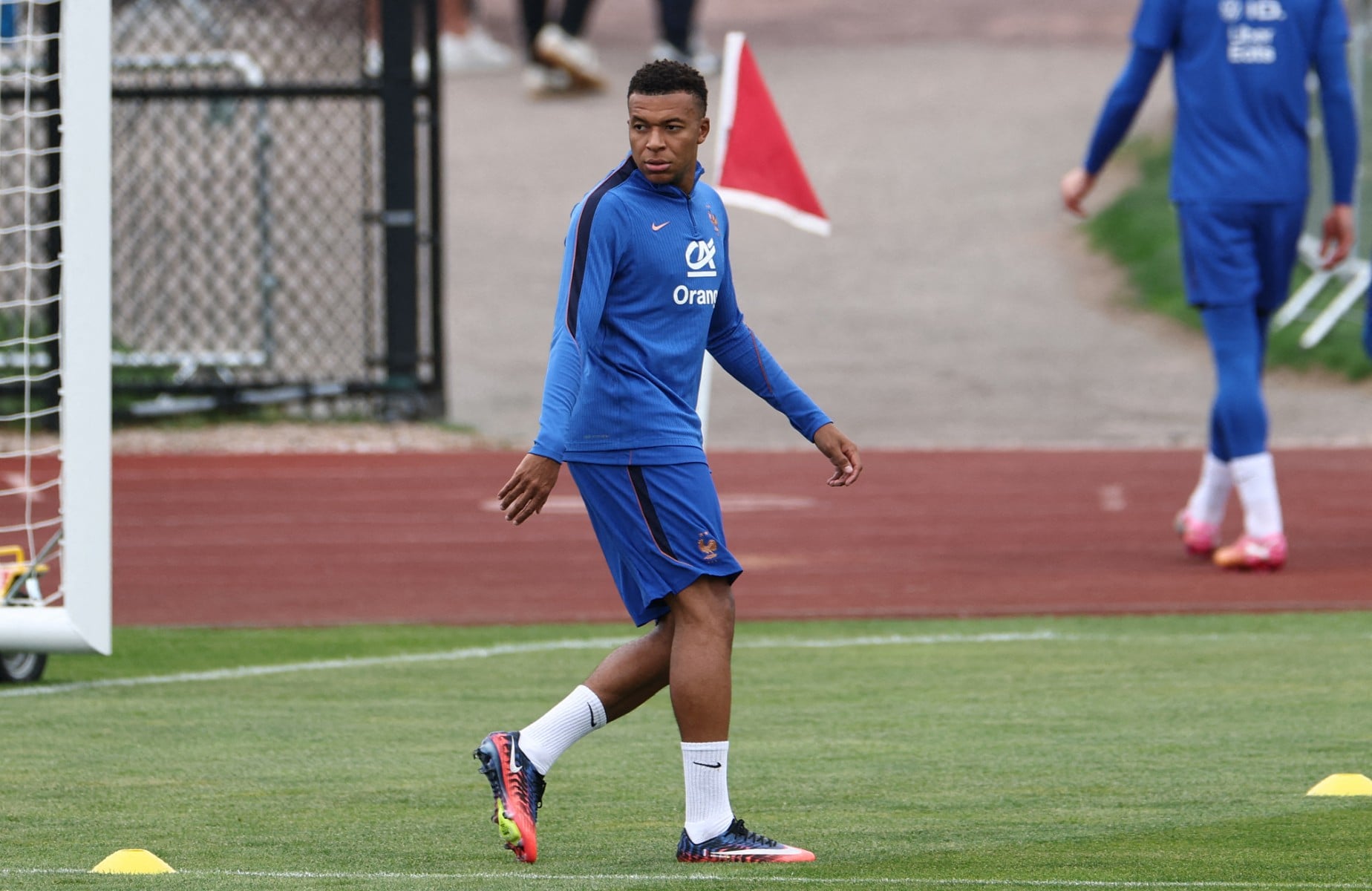
In a strongly worded statement on X, the French captain described Amarilla as “a despicable woman” who was “not worthy” of holding public office. He said the senator did not represent Paraguay or its people. In addition, he praised the country’s players for competing with passion and honour throughout the tournament.
He added that her “brazen racism” had overshadowed Paraguay’s remarkable World Cup campaign. Furthermore, he vowed never to stay silent when confronted with hatred and discrimination.
The backlash intensified as Paraguay’s Foreign Ministry distanced itself from Amarilla’s comments. They stated these were her personal views. Importantly, these did not reflect the position of either the government or the Paraguayan people.
“The remarks made by Senator Celeste Amarilla are contrary to the values and principles that inspire peaceful coexistence and respect for human dignity,” the ministry said in an official statement.
French President Emmanuel Macron also condemned what he described as racist attacks directed at Mbappé. Moreover, FIFA president Gianni Infantino expressed solidarity with the France captain. He called on football to continue fighting racism in every form.
The French Football Federation has since announced plans to file a criminal complaint with French prosecutors over Amarilla’s remarks. Federation president Philippe Diallo described the comments as “abject and unacceptable”, insisting they amounted to criminal hate speech.
If French prosecutors pursue the matter, the senator could face legal consequences under France’s anti-hate speech and anti-discrimination laws.
Nazi history
The incident has also revived discussion about Paraguay’s historical links to Nazi fugitives after the Second World War.
Following Germany’s defeat in 1945, several senior Nazi officials and collaborators escaped to South America through underground escape routes known as ratlines. Paraguay, alongside Argentina and Brazil, became one of the countries where some found refuge.
During Alfredo Stroessner’s dictatorship between 1954 and 1989, several European fugitives were granted residency or protection.
Historians note that acknowledging this history is important. This is because it continues to shape conversations about racism, discrimination and national identity in Paraguay today. However, they caution that it should not be used to define modern Paraguay or its people.
The South African connection
South Africa also had limited connections with former Nazi sympathisers after World War Two.
Although it was never a major refuge in the way some South American countries were, historians have noted that some individuals with Nazi affiliations settled in the country.
They also point out that while apartheid and Nazism were different political systems with separate origins, both shared racial supremacist elements.
As outrage continues to grow, Mbappé’s response has been widely praised as a reminder that football’s fight against racism extends far beyond the pitch. This reinforces the message that hatred has no place in sport or society.