



A new film on National Geographic Wild documents a decade-long search for some of Africa's elusive Ghost Elephants. It's a must-watch.
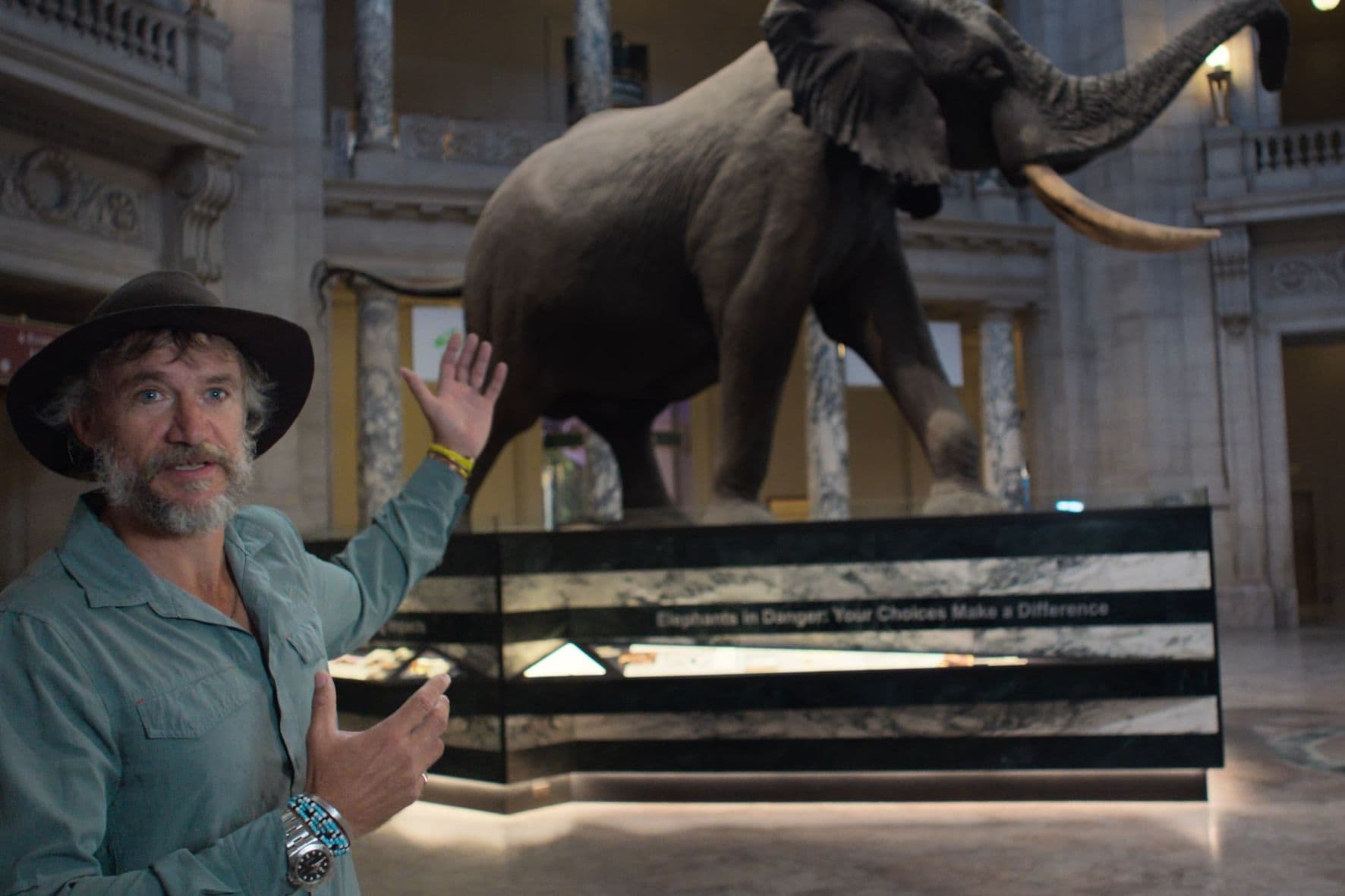
Africa’s Ghost Elephants, real of imagined? Picture: Supplied.


Did you know that at the turn of the 20th century, Africa had about ten million elephants? By 1970, said conservation biologist Steve Boyes, that number had whittled down to about a million, and now there are fewer than 400 000 tuskers left.
But that’s only part of the reason why people should watch Ghost Elephants, a new film releasing on 11 March on National Geographic Wild and streaming on Disney+ in South Africa.
“We have to acknowledge our war on creation,” Boyes said. “Across Africa, wildlife disappeared outside protected areas, and yet, the mysteries that the wild holds are worth protecting.”
Mysteries worth protecting
The story of the ghost elephants is about something with far more substance than simply finding animals in a remote forest. Boyes said that it’s like the presence of wildlife that can be felt even when it cannot be seen.
“It’s like swimming beyond the breakers in the ocean,” he said. “You know there may be sharks and all kinds of marine life beneath you, but you cannot see them.”
The documentary, directed and narrated by celebrated filmmaker Werner Herzog, follows Boyes during his decade-long search for these elusive elephants believed to roam the forests of Angola’s highlands that form part of the Angolan Highlands Water Tower, a system of rivers that supplies most of the water feeding the Okavango Basin.
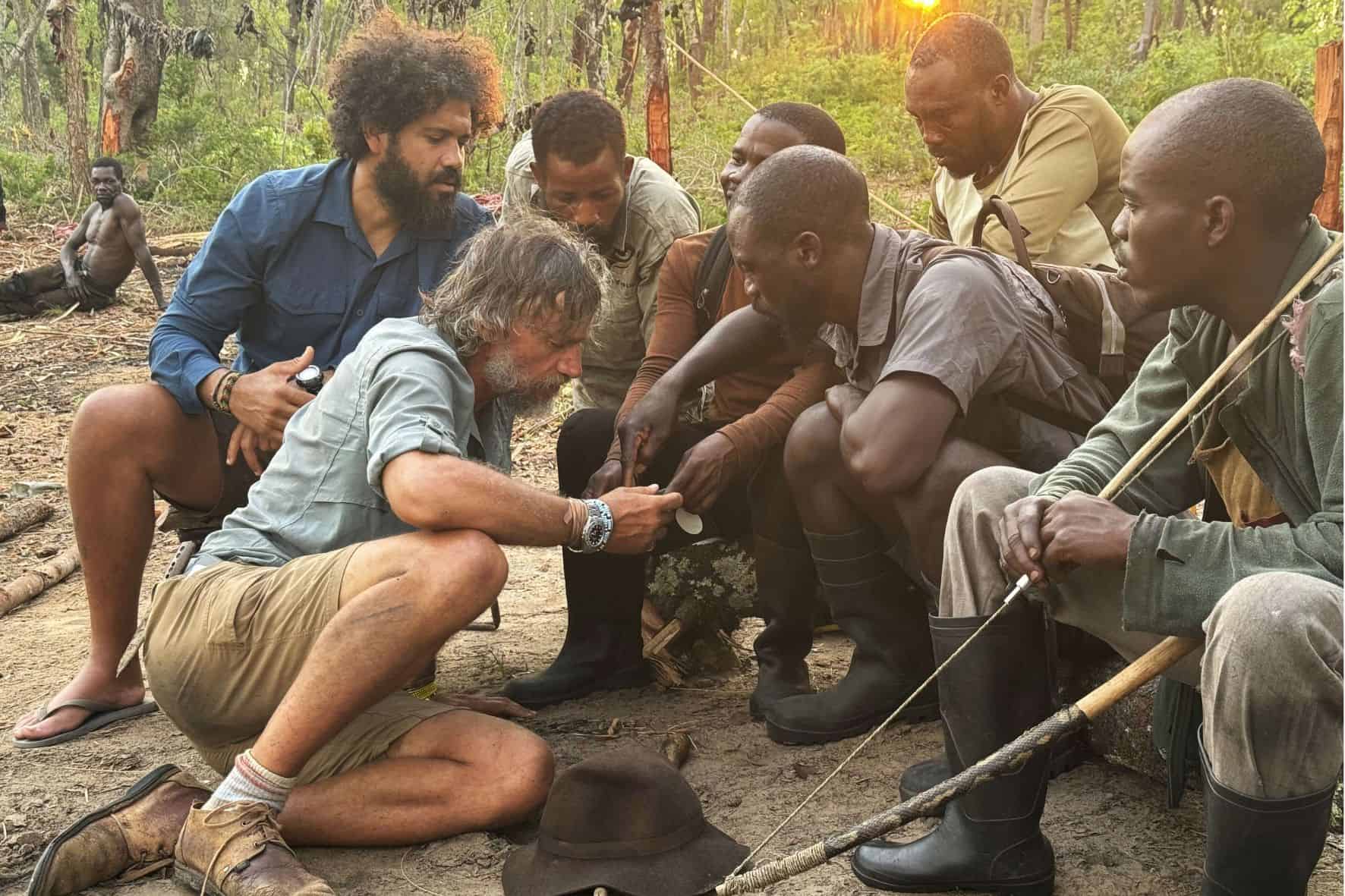
In 2015, he set out on a six-month expedition across the Okavango Basin, trying to locate the undocumented source of the river system.
A month into the expedition, he wandered away from camp and stumbled upon something unusual.
“I found a clearing,” he said. “It was what we call an elephant garden.”
The clearing had been created by a solitary bull elephant that had pushed over trees and broken their tops, allowing fresh shoots to grow lower down where other elephants could feed.
“What he was likely hoping,” Boyes said, “is that when breeding herds come through, they pause in his clearing, and he gets to interact with them.”
The happenstance discovery
The discovery captured his imagination and launched a decade of research and exploration as Boyes tried to confirm whether elephants were still living deep within Angola’s forests.
His team travelled rivers repeatedly, sometimes using dugout kayaks, sometimes moving through the valleys on bicycles or motorbikes in search of the giants.
“We did every single river and then did them again,” Boyes said. “Together we lived in the valleys. We met the kings, the traditional leaders, the vice-kings. Everyone became involved.”
Around 180 camera traps were installed across the region to monitor wildlife movements.
But even with that network of cameras in place, the wait for proof stretched into years.
Watch the trailer:
It took seven years before the first images appeared.
“I was a highway in Cape Town when the photos started coming through,” Boyes said. “I had to pull off the road to look at them. It was extraordinary.”
It was an emotional moment for him. “It’s like when someone sends you the scan of your baby,” he said. “You just stare at it.”
ALSO READ: What to watch: ‘Born to be Wild’ will steal your heart
In the documentary, Boyes and fellow explorer Kerllen Costa travel through Angola’s forests with a group of San master trackers named Xui, Xui Dawid and Kobus, whose tracking skills prove more effective than modern technology.
During filming, Boyes said, the pursuit of the Ghost Elephants proved a long and challenging journey.
One pursuit captured during the expeditions left Boyes and his team physically drained. He said they followed a large elephant for more than five hours, as the animal repeatedly stopped, circled, and tested the wind before running off again.
By the end of the chase, the crew had moved far from their base camp and run out of water. Despite the effort, the elephant then disappeared back into the forest.
“We never saw him again,” Boyes said. “That broke me.” When he returned to camp, he struggled to talk about the experience.
‘That broke me’
“It took about an hour before anyone could get anything out of me. I was emotional and drained.” The film includes the moment that followed, when Boyes left camp and sat alone in the rain before a rainbow appeared over the valley.
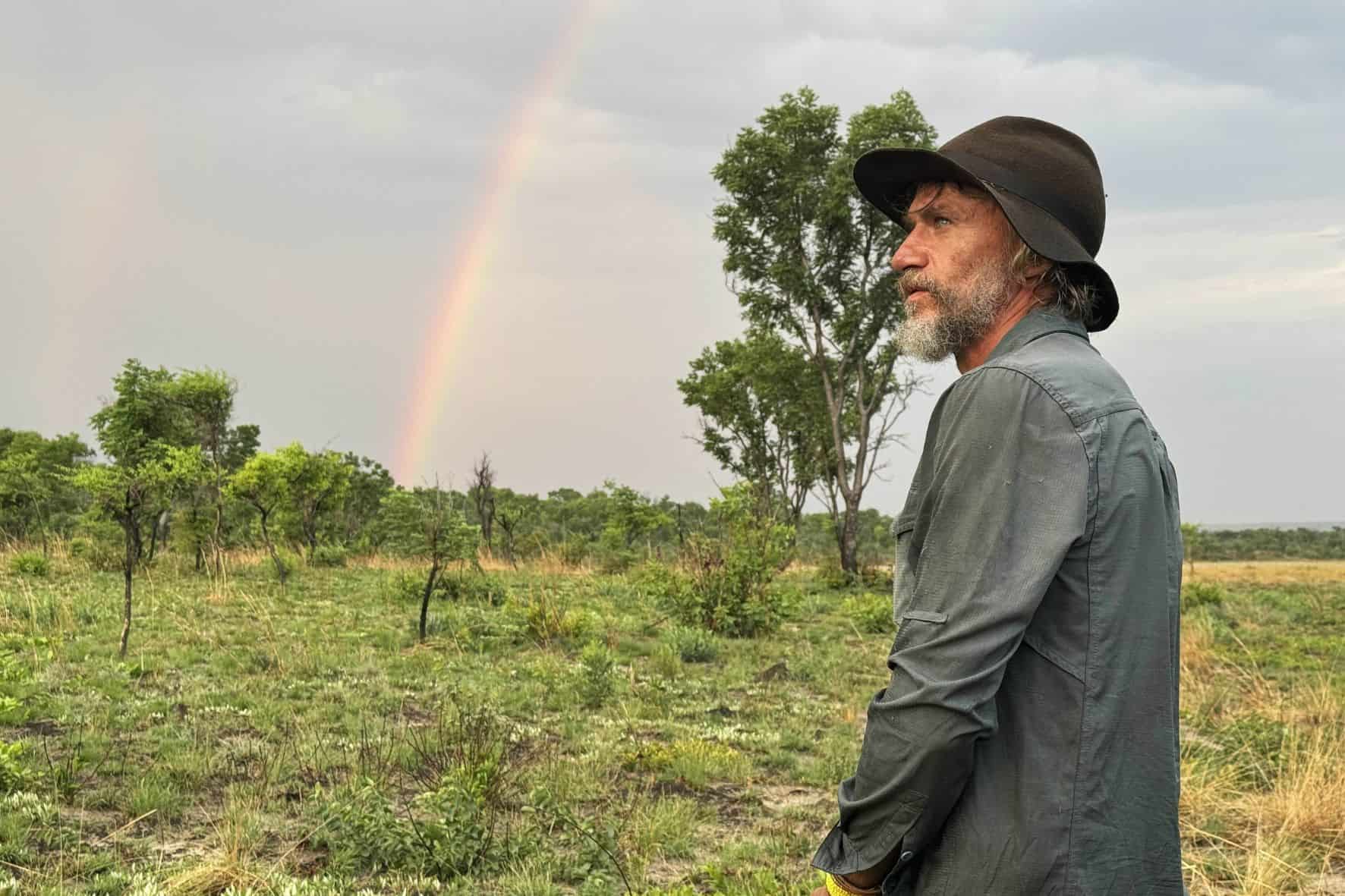
He said it was almost symbolic and an apt moment that captured how he was feeling at the time.
For him, the search for ghost elephants has always been about more than just finding a herd. He believes wilderness still holds mysteries that science has only begun to understand.
“I want people to walk into a forest or a river valley and feel that something is there,” he said. “You might not see it, but it’s alive.”
Support Local Journalism
Add The Citizen as a Preferred Source on Google and follow us on Google News to see more of our trusted reporting in Google News and Top Stories.

