
Cheap clothes can often become the most expensive items in your wardrobe. Simple maths tells the story. Here's why quality always wins.
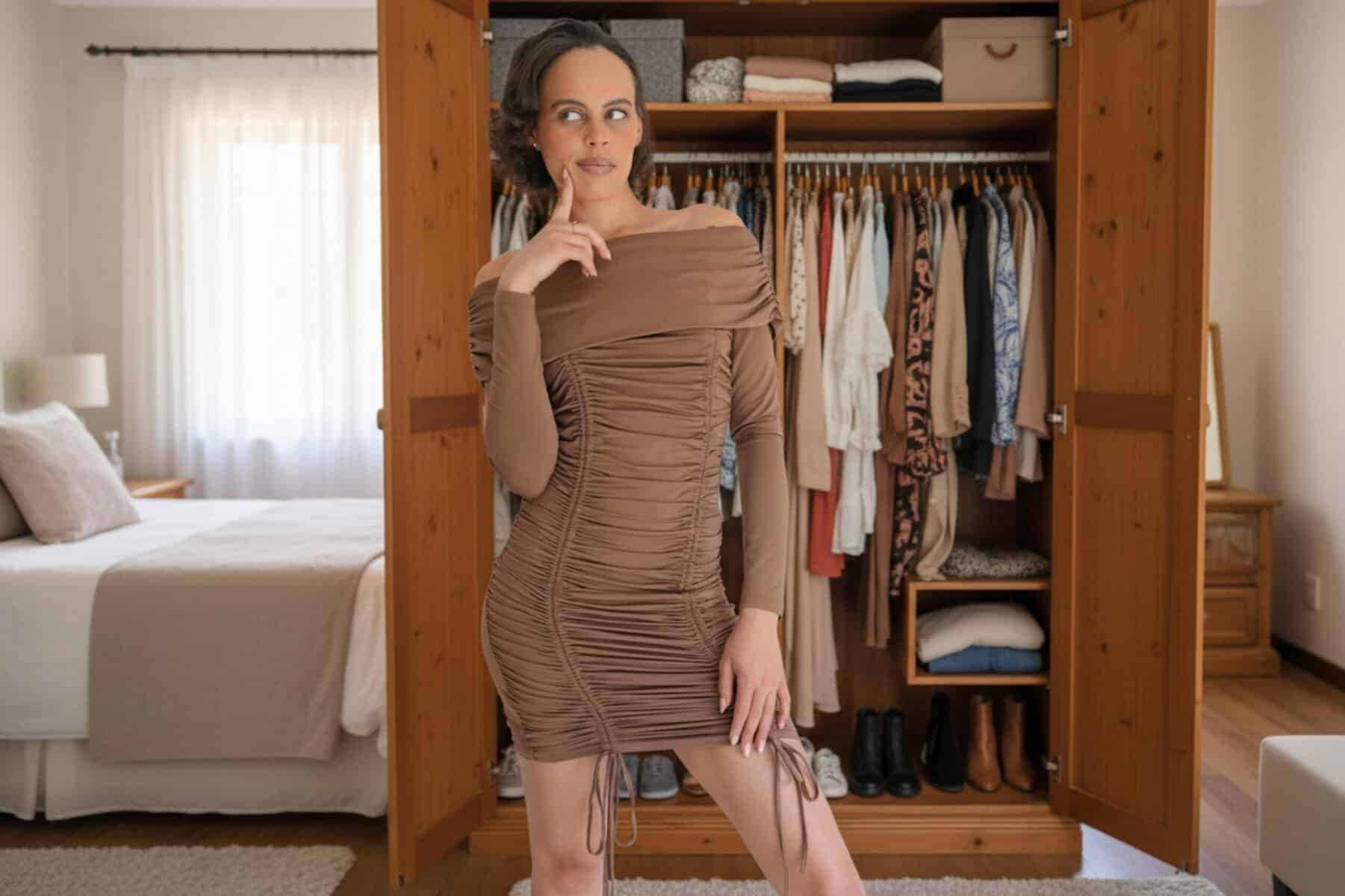
How much does your dress actually cost you? Picture: Hein Kaiser


It’s complicated, but it’s also not. But cost per wear and cost of ownership of clothing are two little trends that have been blowing up in fashion, albeit slowly, in the wake of the slow fashion movement, and as a form of rebellion against fast, disposable and cheap fashion.
But the two notions also don’t always meet in the middle.
Think about it. The clothing cost-per-wear idea is simple. Let’s say you buy a garment for R500 and you wear it 5 times before you toss it. That means the price tag per wear was R100. Cost of ownership is a bit different, but similar. Let’s say you own that shirt for two years. That means it costs you R250 a year to have it hanging in your wardrobe, or about 68 cents a day. Both are math that should perhaps influence purchasing decisions.
Fast fashion trained everyone into believing that cheaper clothing is good and always the smart decision. But on both cost per wear and cost of ownership, the decision may be pricier than you bargained for. A R300 skirt worn to a party once has a R300 cost-per-wear price tag, while, until you spring-clean ten months later, it hangs in your closet at R1 a day. A fashionable waste of money.
Cheap clothing is not always better
It’s worth doing a bit of number crunching before swiping a card because cheap clothes are often the most expensive fashion items we own. They just charge us over time instead of upfront. Cheapies are also often made from inferior fabric, which means they last for a shorter time.
Cost per wear is not just based on the occasion, but also on how long it lasts. Because maybe you can only wear those heels once. This is where the cost of ownership between the date of purchase and the date of closet exit also skyrockets.

Once this logic enters your frame of reference, fashion price tags look somewhat different. A pair of Levi’s, for example, can last a decade.
Let’s say you paid R1 000 for it. The cost of owning the pants for ten years works out to 27 cents per day.
In that time, you wore the jeans twice a week, which equates to 1040 wears, or just under R1 every time you slip them on.
Compare that to a R400 pair of bell-bottoms that last a year before they’re out of style, worn 10 times clubbing. That’s R40 per stint and just over a Rand a day to own, plus the garment’s premature replacement value and the next one’s cost to wear and own.
Quality jeans can last a decade
The math can be a bit mind-boggling, but once you get it, you’ve got it.
A helicopter view of your closet can tell an even scarier story. Take one outfit. Add up the cost per wear, multiply it by possible donning configurations, from underwear to socks and shoes, cross-reference the price tags and then split short life fast fashion items and quality clobber.
Redo, and see the massive difference that it can make over time. More premium-priced, quality clothes almost always win the battle.

There are also curiosities and anomalies. A cocktail dress worn three times at a high price could end up costing more per ownership than a fast-fashion cheapie at the same dress-up ratio.
The reality, though, is that many perceived bargains are only cheap in the moment.
A well-made T-shirt or pair of socks that survives years of washing, wear and tear can end up costing a few cents per outing, while the cheaper clothing alternative loses shape after a few sorties. The maths does not support impulse buying, but it rewards quality.
ALSO READ: 7 reasons spiders should not be that scary
The maths rewards quality
Next time you go clothes shopping, in real life or online, it may be worth having an internal conversation before buying a fashion bargain.
Ask yourself how often you wear the item. Will the shirt, pants, skirt, dress, or jacket you want still make sense in your wardrobe if the trend cycle has moved on? Feel the fabric, check the seams. Does the clothing feel like quality? Is it cobbled together in a rush or sewn with intent?
When you buy clothing with the intent of wearing it often, as a cupboard classic, so to speak, they tend to survive longer, because the decision-making process is different.
Wear more, replace less often. Cost of wear and ownership thins out. It doesn’t just make sense from a sustainability perspective and environmental responsibility sensibility, but the decision these days should be an economic one, too. Forget about virtue; it’s also about self-care of the pocket.
None of this means that anyone should stop buying cheaper clothing. What it means is that impulse buying must be a bit better managed, that outfits can become combinations of slow and fast fashion, and that just like a grocery list, a wardrobe count can be managed to optimise the impact on your bank balance over time.
Clothing is an investment in yourself, so make it pay dividends in the right ways.
NOW READ: Kyalami’s Cat Café boost mental health