



'Someone who speaks with warmth and certainty can accumulate an enormous amount of influence without any formal training.'
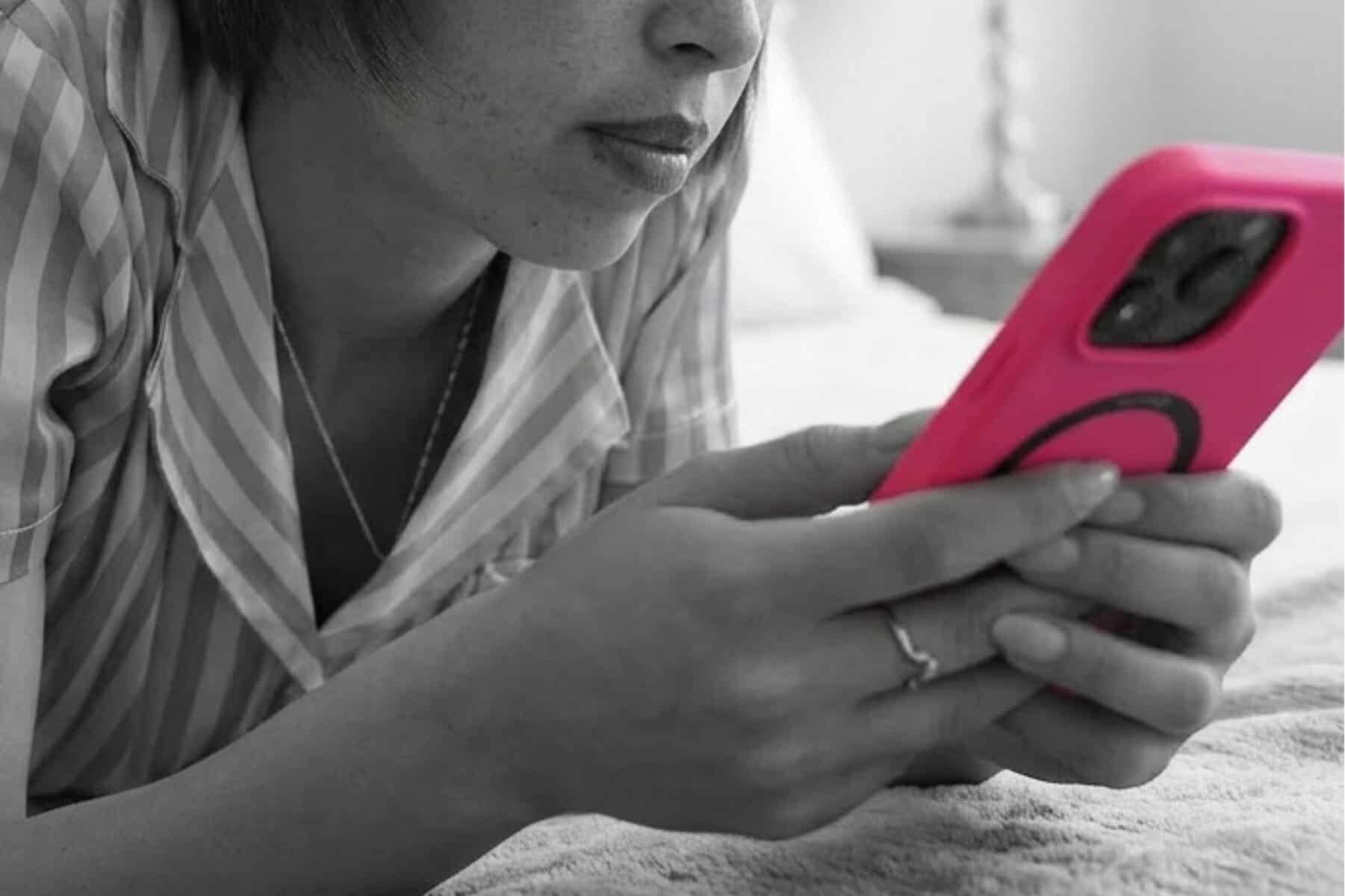
The birds and the bees on Tik Tok. Picture Supplied


TikTok is increasingly shaping how young people understand sex, relationships and identity, raising concerns about the decline of formal sex education and parental guidance.
In many instances, social media posts have displaced formal sex education, conversations about safety uber-alles and responsible behaviour cues when it comes to the birds and the bees.
Sex educator and certified sex coach Lisa Welsh said that gaps in traditional education systems, which are often focused narrowly on risk and prevention, have left many young people turning to social media platforms for more relatable and accessible information.
While the platforms like TikTok have introduced more open conversations around topics such as pleasure, consent and sexual agency, Welsh warned that the short-form, algorithm-driven nature of content can limit nuance and promote misinformation.
She also noted that the growing influence of online personalities in shaping norms and expectations around intimacy, often without formal expertise, has created the need for a more collaborative approach to modern sex education involving educators, healthcare professionals and digital platforms.
Tik Tok sex ed?
Welsh said traditional sex education had, for decades, failed to reflect the lived realities of young people, focusing heavily on pregnancy prevention and disease avoidance while avoiding broader discussions around identity, desire and emotional complexity.
This, she said, created an environment where young people did not see formal education as a credible or useful source of information.
“We got here because sex education is largely inadequate,” she said, adding that when more direct and relatable content became available on social media, “the shift was almost inevitable.”

She said parents had also often not filled the gap, citing discomfort, lack of language and assumptions that schools were providing sufficient guidance. As a result, young people sought out information in spaces where they felt safer asking questions and engaging with content that reflected their experiences.
Welsh said the change in content from risk-based messaging to discussions focusing on pleasure and identity highlighted what had been missing from formal education. She noted that sexuality had been framed primarily as a risk to be managed, rather than a broader experience involving communication, confidence and connection.
“For women in particular, the gap was enormous,” she said, noting that many had been taught more about avoiding pregnancy than understanding their own bodies or recognising discomfort.
Sexuality was framed as a risk to be managed
Welsh also cautioned that increased openness did not automatically equate to empowerment. She said while access to language around desire and boundaries was significant, it could also create new pressures when specific expressions of sexuality became normalised online.
“When there’s a dominant aesthetic around what liberated sexuality looks like… that’s still a script,” she said, adding that true empowerment lay in individuals’ understanding and communicating their own needs without external pressure.
Also Read: Performance anxiety: Rising to the occasion
Welsh raised concerns about the limitations of short-form video content in addressing the complexity of human sexuality. She said that while platforms like TikTok could introduce concepts, they were not designed to provide the depth required to navigate real-life experiences.
“Context is everything in sexuality,” she said, warning that brief, highly engaging videos often excluded the nuanced and sometimes uncomfortable aspects of relationships, including unclear boundaries or emotionally complex situations.
She added that this lack of nuance could contribute to what she described as “emotional bypassing,” where simplified content replaces deeper self-reflection and understanding.

Welsh said misinformation on social media platforms extended beyond factual inaccuracies to include generalisations about what is considered normal or healthy sexual behaviour.
She noted that trust on platforms like TikTok was often built through relatability and confidence rather than verified expertise. “Someone who speaks with warmth and certainty can accumulate an enormous amount of influence without any formal training,” she said.
Influence can create a confluence of misinformation
Welsh said the platform’s role in shaping norms could have a lasting impact on how young people perceive themselves and their relationships.
Repeated exposure to specific ideas about desirability, intimacy and emotional responses could set unrealistic standards, making it difficult for individuals to remain connected to their own experiences.
“What concerns me most is the pressure this places on experiences that are deeply personal and variable,” she said, noting that comparison could undermine authentic connection.
Yet, Welsh said that TikTok was unlikely to disappear from the educational universe and should instead be acknowledged as part of a broader ecosystem. She called for a coordinated response that included formal education systems, healthcare professionals and digital platforms.
She said schools could offer what social media could not and noted depth, accountability and the ability to engage in real-time, context-rich discussions.
At the same time, she said the importance of incorporating media literacy into sex education to help young people critically evaluate the content they consume must not be underestimated.
“The goal isn’t to pull young people away from digital spaces,” she said. “It’s to make sure they have enough grounding to navigate them critically.”
Now Read: Why 90s love is trending again and what it says about us
Support Local Journalism
Add The Citizen as a Preferred Source on Google and follow us on Google News to see more of our trusted reporting in Google News and Top Stories.

