
Experts say modern lifestyles, climate change and environmental factors are driving allergies
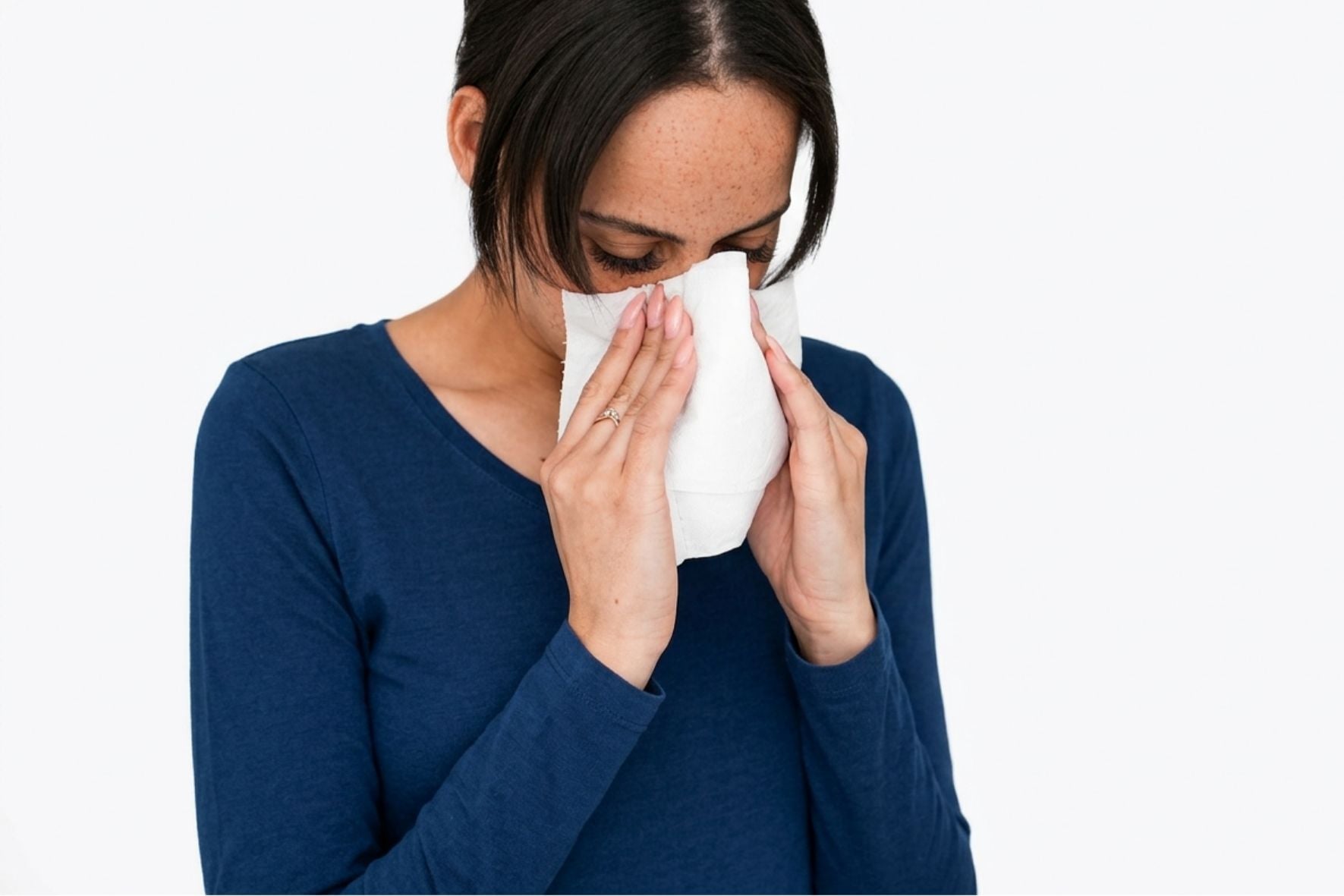
It’s allergy season almost all the time now. Picture: Supplied


Children are developing allergies at rates that would have seemed unusual a generation ago while adults who never previously reacted to food, pollen or environmental triggers are now dealing with conditions that can range from irritating to life-threatening.
And while the reasons are still being debated, health care professionals are turning toward the aspects of what modern life has done to the human immune system. Dr Thulja Trikamjee, a paediatrician, allergist and spokesperson for the Allergy Foundation of South Africa (AFSA), said the northward trajectory in allergic disease cannot simply be explained away by improved diagnosis or better awareness.
The increase, she said, is showing up across conditions ranging from eczema and asthma to hay fever and food allergies, with children appearing particularly vulnerable.
“Children today are significantly more likely to develop allergies than previous generations,” she said. “Data over the last few decades shows a dramatic rise in paediatric allergic diseases, including asthma, eczema, hay fever and food allergies.”
Experts say modern lifestyles and environmental factors are driving allergies
Genetics are not the only factor to blame. Experts are now suggesting that environments that people now grow up in and how different they are from those experienced by previous generations., Dr Trikamjee said.
“Our modern environments are much cleaner, and we use more antibiotics than in the past. While this protects us from dangerous infections, it means our immune systems do not face enough microbes during childhood to train properly,” she said.
This is known as the hygiene hypothesis, a theory that suggests that the immune system needs exposure to a wide range of microbes during childhood to learn the difference between a genuine threat and something harmless.
“Without this training, the immune system can mistake harmless things like peanuts or pollen for dangerous invaders,” she said.

Researchers are also examining changes in diet, with processed foods replacing many traditional foods and fibre consumption declining in many parts of the world. At the same time, children are spending less time outdoors and more time in carefully controlled indoor environments.
“Urbanisation and modern lifestyles drive allergy development by altering our environment and microbiomes,” Dr Trikamjee said.
She added that the impact extends beyond what people breathe.
“Air pollutants damage sensitive respiratory barriers, while sterilised living conditions, processed diets and reduced exposure to nature prevent our immune systems from learning how to properly tolerate harmless substances.”
Hygiene may be making us sick
Climate change has added another layer of complexity. Allergy sufferers are already reporting longer and more severe seasonal symptoms than they experienced in previous years. The consequences are being measured not only in discomfort but in the way allergens behave across entire regions.
“Rising global temperatures, elevated atmospheric CO2 levels and extreme weather patterns are directly altering how, when and where allergens affect us.”
In her own consulting rooms, Trikamjee sees the trend evident in what allergists call the allergic march.
“Often a patient would go through what we refer to as the atopic or allergic march, in which they would experience perhaps eczema in early life, and then allergic rhinitis or asthma later in life. Those conditions might even manifest as recurrent infections of the nose or chest,” the doctor said.
The implications extend far beyond seasonal sniffles. Food allergies alone now affect millions of people worldwide and reactions can escalate from mild symptoms to medical emergencies within minutes. Trikamjee said early intervention remains one of the strongest tools available.
“When allergies are properly diagnosed and managed, people are far less likely to experience severe reactions,” she said.