
How Checkers conquered South African retail. Author Steven Boykey Sidley reveals the technology, innovation, and gambles behind its success.
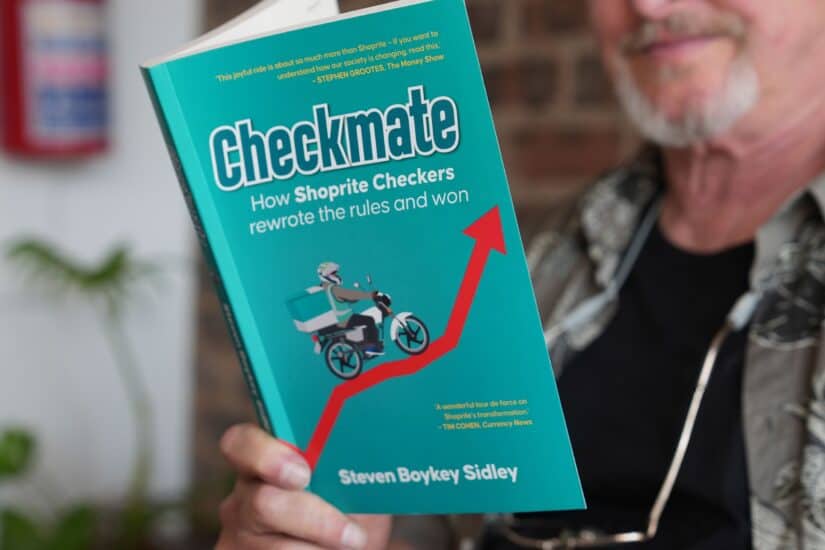
Unpacking the Checkers story. Picture Hein Kaiser


Checkers is not a grocery store. Not anymore. Yet still, it is.
Makes no sense? Well, Checkers these days has more in common with a technology company than a traditional bread, milk, and eggs retailer.
Beyond the supermarket shelves, fresh produce and Sixty60 delivery bikes are a sophisticated data operation that has helped Shoprite Checkers dominate much of South Africa’s supermarket universe.
Author Steven Boykey Sidley, whose new book Checkmate: How Shoprite Checkers Rewrote the Rules and Won examines the retailer’s success, said it was the kind of business transformation that allowed him to write an almost novel-like account of the company.
Sidley, a visiting professor at Rhodes University and author of eight books spanning fiction, science and technology, said three things drew him to the story.
The first was an unexpected visit to Checkers after moving from Johannesburg to Fish Hoek, near Cape Town.
“I thought, WTF. Oh my God, this is Disneyland,” he recalled. “It was the most impressive grocery store I’d ever seen.”
The second was a lifelong fascination with food shopping, dating back to childhood trips to the corner café with 25 cents to buy Rolos and Peppermint Crisp.
Watch the interview with Sidley
The third was a telephone call from Jonathan Ball Publishers suggesting he write about Shoprite’s transformation. Sidley initially refused. “I don’t do business books,” he recalled. But the scale of what had happened at Shoprite intrigued him. “There is a dramatic narrative in the book,” he said.
The fourth reason, not cited by Sidley, is his tremendous energy and affable, animated manner. It would be difficult to imagine anyone better suited to telling the story of such a dynamic retailer, whether putting pen to paper or words on a keyboard.
Instead of producing a stock-standard corporate history, Sidley approached Shoprite as a character facing a succession of problems.
When Pieter Engelbrecht succeeded Whitey Basson as CEO in 2017, the company had a substantial retail operation but faced difficulties in African markets, labour disputes and other setbacks.
“A book of fiction starts off by giving the character trouble,” Sidley said.
Following a visit to Silicon Valley, Engelbrecht sent marketing executive Neil Schreuder to investigate digital retail. Schreuder returned wanting freedom from corporate procedures to experiment. Engelbrecht gave him that freedom.
What began with a handful of people became ShopriteX, a technology operation employing hundreds of engineers and data specialists.
Journey from grocer to data company
The division produced Checkers Sixty60 and Xtra Savings. The latter provided information about the purchasing habits of approximately 35 million customers.
“They have the biggest knowledge of the consumers of any company in South Africa,” Sidley said.
Sixty60 was another gamble. The board initially resisted guaranteeing deliveries within an hour.
“The board said, ‘Over our dead body!'”
Artificial intelligence helped determine delivery routes, while supermarkets became fulfilment centres. Then came Covid-19, and demand exploded.
“They managed to get through that without catastrophe,” Sidley said. He said Sixty60’s subsequent growth into a R25 billion business within six years was extraordinary.
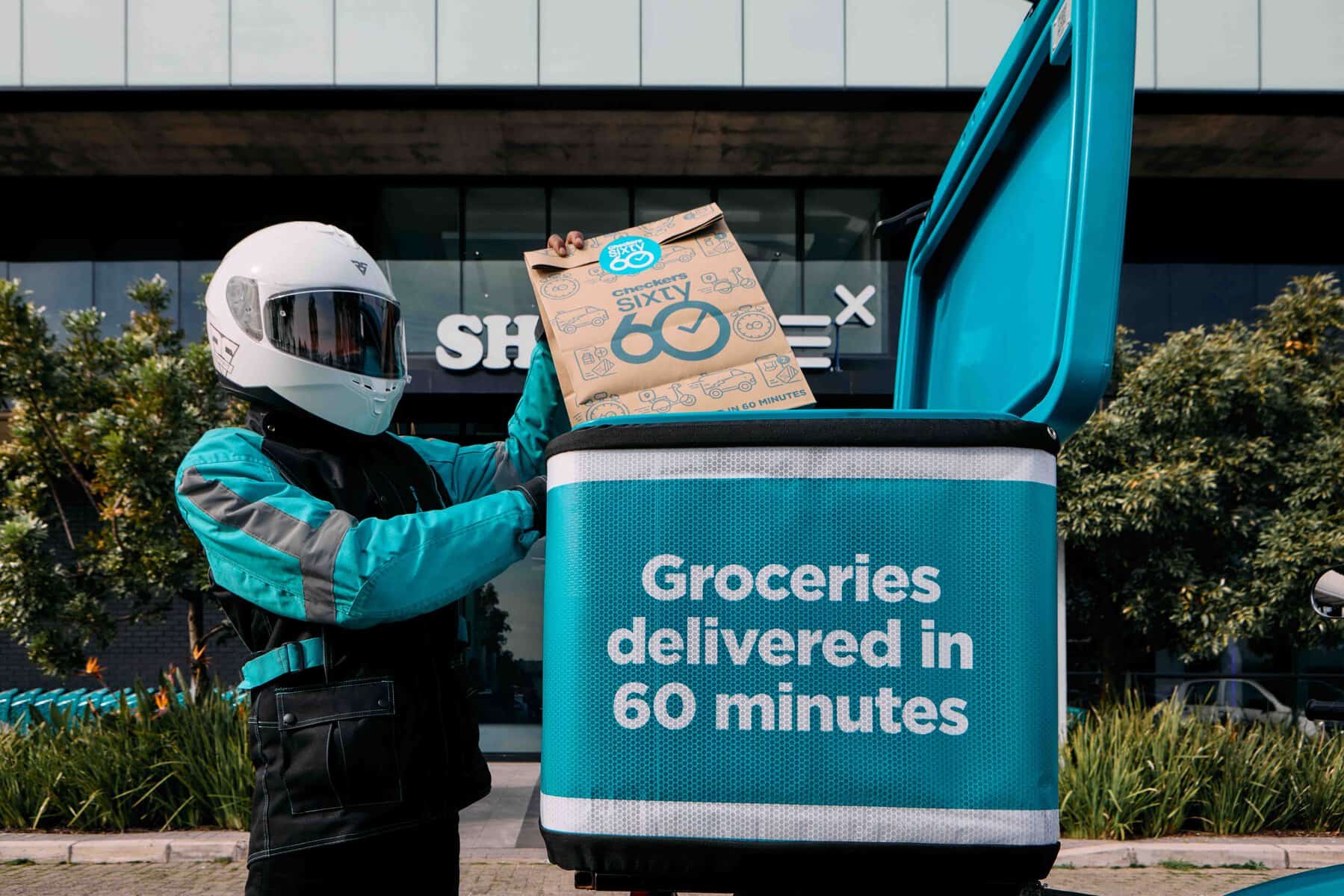
Behind Sixty60’s delivery technology is another remarkable story.
David Moloisi, a mathematics enthusiast from Limpopo, taught himself the subject before studying at Wits University and developing a motorcycle delivery platform. Shoprite later acquired a stake in his business, which helped build Sixty60’s delivery infrastructure. Sidley described his contribution as one of South Africa’s great unsung technology stories.
Shoprite also divided its supermarket business across different income markets. Checkers targeted wealthier shoppers, Shoprite served the middle market, and Usave catered for lower-income customers, all supported by shared logistics and distribution infrastructure.
Strategy rules, ok?
Engelbrecht also reduced the group’s exposure to difficult African markets, where currency problems and distribution challenges had undermined profitability.
Meanwhile, Checkers stores were upgraded with sushi, seafood, premium food counters, and coffee shops, attracting customers who previously shopped elsewhere. “All of a sudden, you walk into a Checkers shop, and you feel like you’re in a very high-end supermarket,” Sidley said.
Sidley’s enthusiasm is infectious, but Checkmate is not entirely sunshine, roses and corporate love letters.
There is criticism, too, and he leaves readers with a warning about what happens when a company becomes accustomed to winning.
“When you win, you get complacent,” he said. “I’m not sure whether they can sustain this level of growth or meet the expectations of the shareholders.”