



By managing use between tumble dryers and the sun, simply two loads less every week can save a packet.
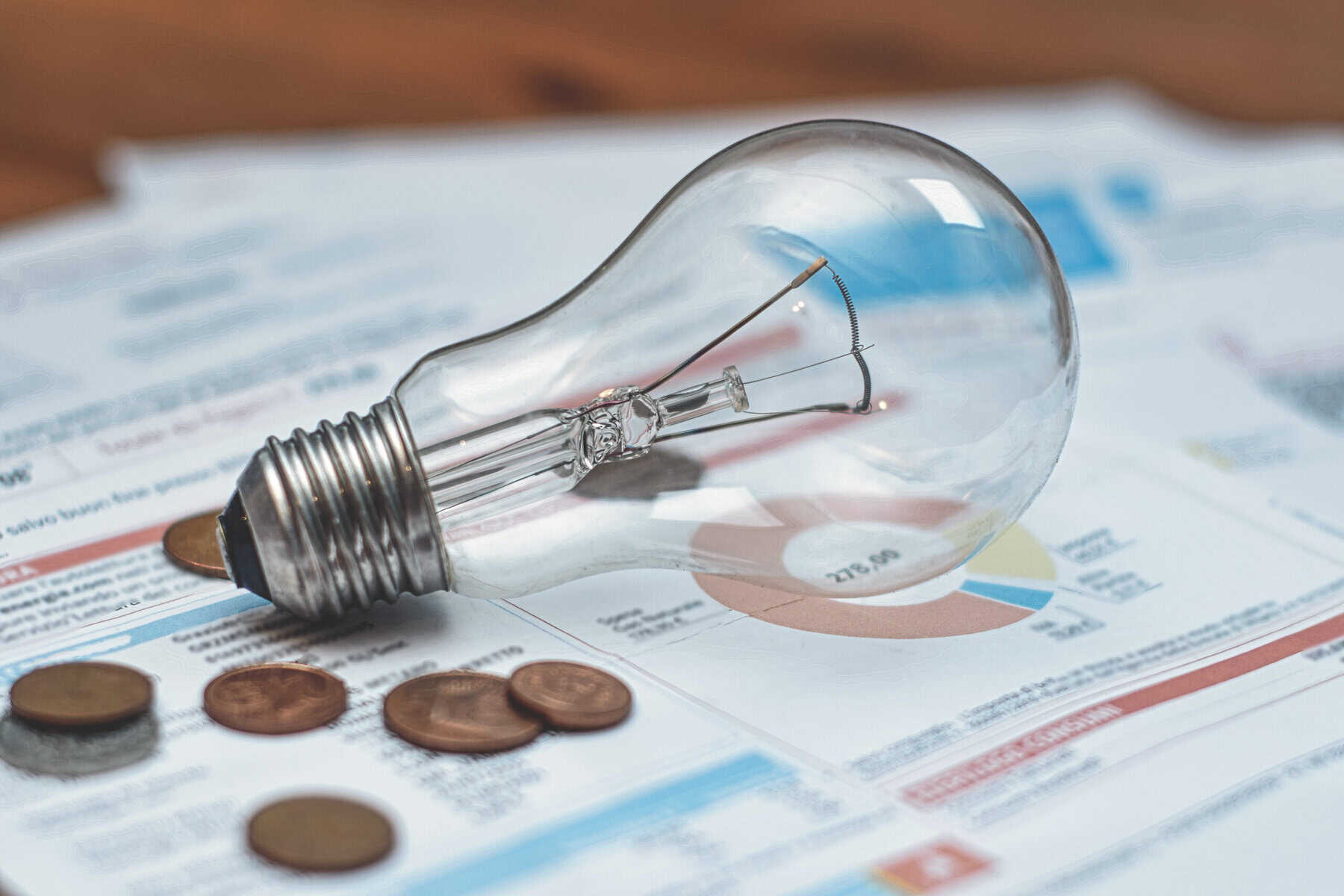
Save electricity, save money. Picture iStock


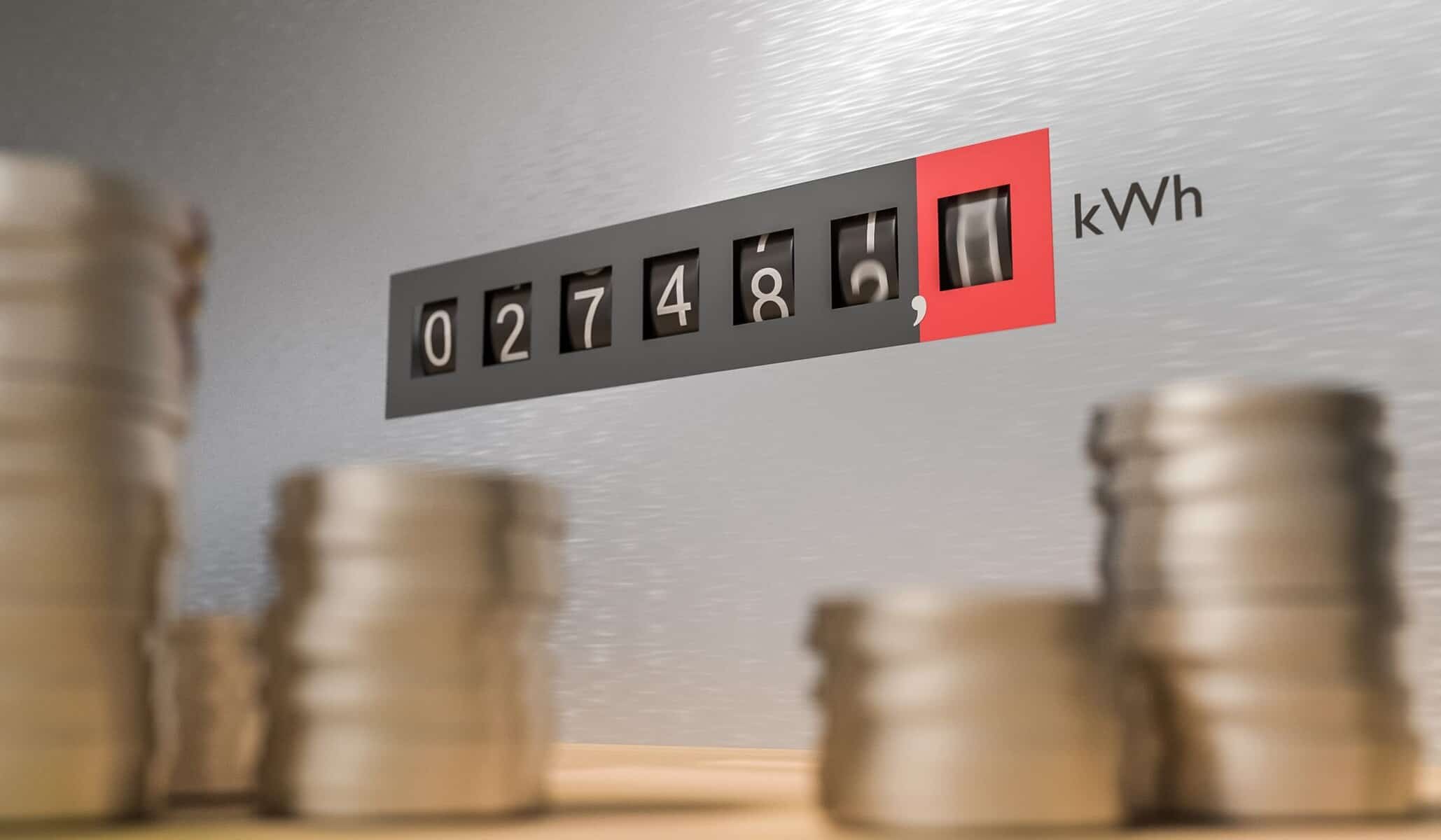
Loadshedding has moved from light switches to lightening our wallets. At roughly R3.50 per kilowatt-hour, and in other cases close to R4, electricity is the most expensive yet essential utility in Mzansi households.
We can’t live without it, but it’s also becoming increasingly difficult to afford. Living off the grid is not accessible to everyone, as it comes with punitive regulatory sanctions and a major up-front expense.
But there are ways to save electricity, with ideas ranging from the sublime to the ridiculous-sounding.
DA ward councillor in Ekurhuleni, Simon Lapping, said the logic is simple throughout.
“Stop wasting power on habits that deliver no extra value to your household. Behavioural change may be challenging at first, but the rewards pay off quicker than you may think. Stop bleeding your household of cash every month,” he said.
Stop ironing stuff you don’t have to
You read right. Some people iron clothes that they don’t need to. T-shirts and the like. And, given that an iron typically draws about 1 kWh per hour, that’s roughly R4 every hour at current rates. Ironing for even 30 minutes less a week saves around R100 a year.
“It’s the easiest saving people never consider,” Lapping said. “A hundred Rand a year sounds small, but it adds up.” Reducing ironing time by an hour a week can save about R200 annually.
Turn the geyser down
A geyser can consume between 6 and 10 kWh a day in a family home, translating to between R21 and R40 daily. Dropping the temperature to 55–60°C can reduce that by 10 to 20%, often with a realised saving of R300 to R700 a month.
“Most geysers are set far hotter than necessary,” Lapping said. “You are not an egg, don’t boil yourself in the shower. Save the cash.”
With disciplined use, skipping one full heating cycle every second day can shave another R200 to R400 off a monthly bill.
Lapping added that heat loss forces the geyser element to cycle more often. Insulating the tank significantly reduces that loss. Over a year, savings can run into several hundred rand, especially in older equipment.
Rethink your laundry
Heating water is the biggest energy cost in laundry. Lapping said that a hot wash can use 1 to 2 kWh more electricity than a cold cycle. Switching from eight washes a month to cold water can save R30 to R60, with no impact on the cleanliness of everyday clothes. And don’t forget to forget ironing your undies.
Tumble dry efficiently
A tumble dryer can use up to 4 kWh an hour, costing R14 to R16 per load. By managing use between tumble dryers and the sun, simply two loads less every week can save a packet.
Fill up dirty dishes
A dishwasher cycle uses roughly 1.5 kWh every time you use it. Running fewer, larger loads reduces electricity and water consumption while avoiding dirty dishes. Let the appliance change your life, and not become the opportunity cost that keeps on penalising.
Also Read: Kyalami’s Cat Café boost mental health
Unplug at the wall
Standby power, or phantom load, said Lapping, can account for up to 6% of household electricity use. In a home using 1,500 kWh a month, that’s about 90 kWh wasted, or roughly R315 every month.
“If it has a standby light, it’s costing you money,” Lapping said. “It’s a pretty useless expense.”
Out with old fridges and freezers
Granny’s old fridge may be retro and sexy, and sentimental. But the memory is costing you.
Older appliances can draw 4 to 5 kWh a day, while more modern, energy-efficient models often use up to 30% less. That difference alone can mean R100 to R150 saved every month per appliance.
“A new fridge pays for itself quicker than people think,” Lapping said. “The electricity saving could come close to monthly finance instalments.”
Check fridge and freezer seals
Poor seals or old, deteriorated ones can cause fridge or freezer compressors to run constantly. Fixing or replacing them prevents unnecessary cycling and ongoing energy loss.
Switch to LED lighting
Research shows that lighting accounts for roughly 10 to 15% of a household’s electricity use. Replacing frequently used bulbs with LEDs can cut that portion by up to 80%. This means you could potentially save between R50 and R150 every month.
Replace outdoor security lights with energy-efficient fittings
Security lights often run all night, and in South Africa, it is a household-critical expense. An old-style lightbulb that’s on for around 10 hours a night adds R100 or more to a monthly bill. LEDs can dramatically reduce that cost.
When nobody’s in a room, go dark
Leaving lights on out of habit adds up, and really, who are you leaving the lights on for if nobody’s using the room? Cutting unnecessary lighting use can shave off another R50 to R100 a month in larger homes, Lapping said.
Natural light is free
Open curtains and blinds during the day instead of switching on lights. This is especially important in an era of hybrid and remote work.
“Natural light is free, until the government decides to tax it,” Lapping said. “Until such time, which is never, save some money instead and flick on the sun.”
Kettle down your water levels
Boil only the amount of water you need. A kettle draws a high load over a short period. Boiling excess water repeatedly throughout the day just adds to your bill, a lot.
Use a flask if you drink lots of tea or coffee
Boiling once instead of multiple times can save a few kilowatt hours a week. Over a month, that can mean R50 to R100 without any lifestyle sacrifice. And it’s all thanks to a simple flask.
Gas stoves save cash
Lapping said that electric stoves typically use 1 to 2 kWh per plate per hour. Now imagine three pots on the go.
“Gas provides instant heat at a lower cost,” he said. “An 18 kg cylinder can last several months for cooking, often replacing several hundred rand a month in electricity use. Gas changes your daily baseline immediately,” Lapping noted.
Cook one-pot meals
Using a single plate instead of multiple pots reduces cooking time and energy use. Over weeks and months, the savings become noticeable. “It’s also seat-saving,” said Lapping. “Who has the will or time to cook a gourmet meal every day, anyway.”
Have a weekly braai
Cooking once, eating leftovers and relying on cold meals for a day or two reduces stove and oven use.
“It’s social, practical and cheaper,” Lapping said. “Keeping leftovers in the fridge and reheating it is cheaper than cooking a new meal the next day.”
Lapping added that turning off the lights and making dinners romantic also has the added benefit of saving power.
“Changing the way we use electricity is not about austerity,” said Lapping. “They are about awareness. In a typical household, applying even half of these measures can realistically cut electricity bills by 15 to 30%, translating to savings of several hundred rand a month. At current tariffs, that is no joke,” he said.
Support Local Journalism
Add The Citizen as a Preferred Source on Google and follow us on Google News to see more of our trusted reporting in Google News and Top Stories.

