
Steps, heart rate, glucose, moods, cycles, screen time. Nothing about you, it seems, is too boring or absurd to measure and file somewhere.
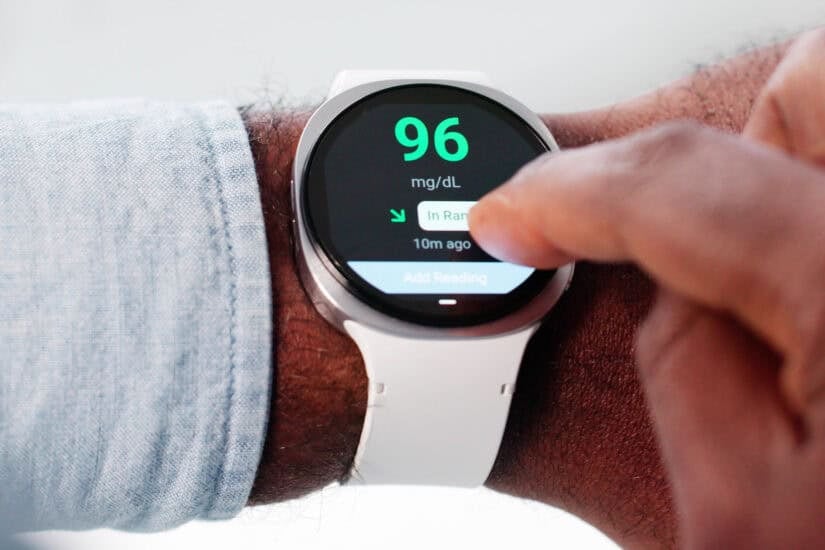
Is your smart watch controlling your life? Picture iStock


Every step is measured, every snore recorded, and in between, your heart rate, blood pressure, and whatever else you can measure are, well, measured on your smartwatch.
It’s the beauty of the digital age that puts such power in our hands, but self-tracking and measurement can also be a curse. It’s almost as if we’ve become detectives investigating our bodies, not living life to the full unless it can be counted, logged, and tracked for our benefit over time.
Millions of people open their own private dossiers every morning, gathering evidence, studying patterns, and waiting for the data to deliver a conclusion. Psychologists suggest this is one of the defining behavioural changes of our time, and it says as much about our need for certainty as it does about our health.
Research shows that tracking helps people connect late-night caffeine to poor sleep or exercise to a better mood. Yet the same research warns that somewhere along the way, the self-investigator can forget to clock off and just spend some quality time in their bodies. But slothing on the couch can impact your data. Does self-tracking really make your life better? That’s the coin-toss question.
Your own private dossier
Steps, heart rate, glucose, moods, cycles, screen time. Nothing about you, it seems, is too boring or absurd to measure and file somewhere.
Researchers suggest the appeal lies in having something concrete to point to when the body feels as if you’re reading Ulysses by James Joyce. A folder of evidence then helps us decipher that feeling irrespective of what your gut tells you. This is when the little voice in our head can sometimes be more right than the data that does not necessarily support it. Sometimes, you are just tired because it’s been a long day. Meh.
That damn smart watch
Your wearable is a snitch that never sleeps, even when you do. It reports on you around the clock, like a KGB agent in the Cold War days. Then, it files its findings before you’ve had your first coffee kick in the morning. Stressed, recovered, run down, the notifications come first, researchers note, and the actual feelings lag behind.

Every feeling gets interrogated
Wake up feeling like a million bucks, and some app on your smartwatch may beg to differ, sharing a poor recovery rate or bad sleep. Suddenly your own thoughts are unreliable because a set of binary-coded whatevers tell you so. Studies suggest the device’s authority slowly outranks your own, and a witness in the Madlanga commission, you start doubting what you actually said, felt witnessed and did.
Report card days not lived experiences
Detectives don’t attend events; they assess them. The same thing happens when everything gets logged by your device. An ordinary Tuesday becomes a performance review, and research suggests that our inner lives then start to feel like a performance dashboard: the lived-experience key performance indicators usually reserved for your boss and for what you deliver at work. Now, they are also your own, at home. It can turn out to suck a lot in the long run, to put it bluntly.

The suspect and the detective are the same person
There’s a real difference, psychologists say, between checking in with yourself and keeping yourself under (smart) watch. The first builds understanding, the second builds vigilance, and vigilance aimed inward has never made anyone feel free. So, in essence, you’re detaining yourself without trial, because your device said so. Think about that one.
Low scores and the jury verdict
The jury is out when you measure too much, collect too much data and consume it all before breakfast and again, halfway through the day and again, before you go to bed. And the verdict will be guilty if your step count is out for the day or you slept badly. Thanks to your device,
Sure, the snake-oil salesman promotes it as self-care, but research shows that, instead of an elixir, it can turn into self-judgment, with every perfectly normal human wobble judged a personal failure.
Notifications, targets, reminders, blah
Apps for smartwatches are made to be used because they keep you paying your subscription or drive advertising revenue. It’s not so much about you; it’s about the money. That’s why targets, reminders, nudges and notifications are designed to get you coming back for more.
Imagine that, over time, you start running your life by this. The app said you have reached enough, the app said you need to climb 300 more steps, the app said you must now drink a glass of water. It’s like a stakeout cop-style that watches everything you do, but you’re doing it to yourself. And it’s all really in the name of profit, but not your own.