Juandre Vorster, aka The Weather Hooligan, says Mzansi shouldn't panic over El Niño but prepare for heatwaves, drought and water shortages.
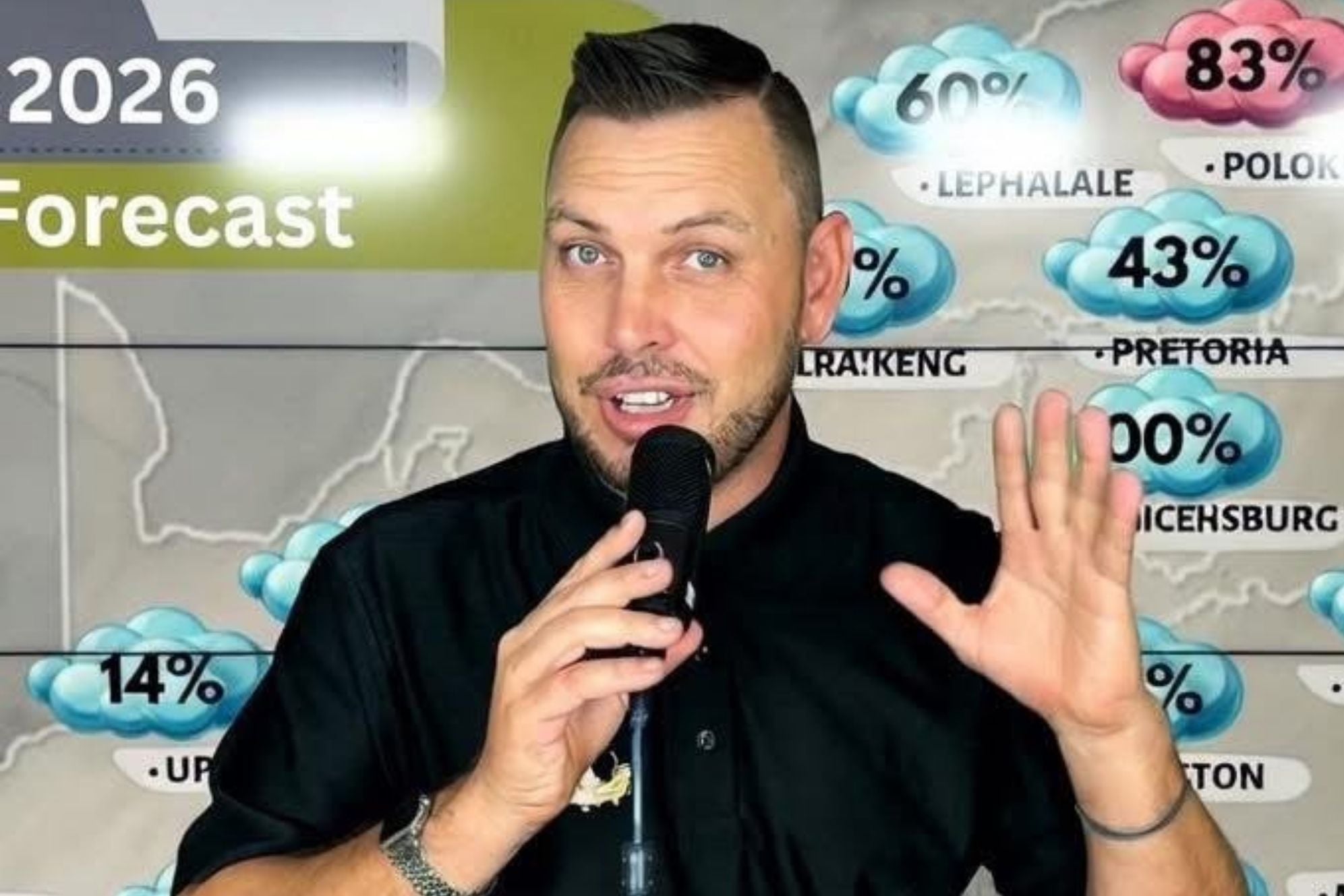
Weather Hooligan Juandre Vorster. Picture: Supplied


After almost five years of unusually wet summers, South Africa is in for a hot and dry season as El Niño returns. Instead of panicking, independent weather forecaster Juandre Vorster, also known as The Weather Hooligan, said South Africans should use the return of a proper Highveld summer to their advantage.
There are, however, several caveats that should not be ignored.
“The biggest concern is not simply soaring temperatures. It is what they could mean for already strained water supplies, agriculture and public health,” he said. “If prolonged heat and below-average rainfall become the norm over the coming months, we could see the country come under a lot of pressure.”
Vorster said western parts of the country, particularly the Northern Cape, could bear the brunt of the expected conditions, while Gauteng could see temperatures climb well above the seasonal average.
“We will see some areas of the province approach the late 30s in temperature,” he said.
The heat will definitely be on
This is why municipalities must repair leaking water infrastructure immediately. Johannesburg reportedly loses almost half of its piped water through leaks, while Ekurhuleni is believed to lose close to 30%.
“You don’t want this in a time of water scarcity,” he said.
“Farmers should also consider safeguarding their water resources and ordinary South Africans should begin conserving water before shortages become a crisis. Authorities should use the months ahead to prepare rather than just react.”
Vorster said that while rainfall could become less frequent during El Niño, storms that do develop may become more destructive because of the additional heat.
El Niño develops when surface waters in the central and eastern Pacific Ocean become warmer than normal, disrupting weather patterns across much of the world. In southern Africa, it is generally associated with hotter and drier conditions, although the extent of its impact differs from region to region.

More vicious storms expected
“When we do have rain with higher temperatures and higher humidity, we’re going to have more severe thunderstorms,” he said.
Despite widespread concern and sensational predictions in some global media, Vorster said South Africans had weathered prolonged droughts before and should approach the coming months with preparation rather than fear.
“In the late eighties and early nineties, the country experienced severe drought. Farmers have been through tough droughts before. We’ve just been spoiled with the rain lately because of La Niña,” he said. La Niña is the opposite weather pattern of El Niño.
The coming El Niño is forecast to be one of the fiercest yet and could see potential heatwaves sucker punch the country for at least the next seven months, should current predictions hold.
Dehydration and mental health risk
Medical doctor and psychologist Dr Jonathan Redelinghuys said prolonged heatwaves place significant strain on the body, particularly for vulnerable people.
“Extreme heat is far more than an inconvenience. It increases the risk of dehydration, heat exhaustion and heat stroke, particularly among children, older adults and people living with chronic illnesses. Staying hydrated, avoiding strenuous activity during the hottest parts of the day, wearing light clothing and recognising early symptoms such as dizziness, nausea, headaches and confusion can prevent a medical emergency.”
He added that people should not underestimate how quickly the body could become overwhelmed during extended periods of high temperatures.
“The body works much harder to regulate its core temperature during a heatwave. When people ignore the early warning signs, the consequences can escalate rapidly.”
We may get grumpy
Dr Redelinghuys said prolonged periods of intense heat also take a psychological toll that many people fail to recognise.
“There is strong evidence that sustained high temperatures contribute to irritability, fatigue, poor concentration and disrupted sleep. After several days of inadequate rest, people become less emotionally resilient, more prone to conflict and often experience increased anxiety. For families already facing financial pressure because of drought or rising living costs, the psychological burden can become substantial.”
Dr Redelinghuys encouraged people to look out for elderly neighbours, maintain regular social contact with vulnerable family members and remember that protecting mental wellbeing during a heatwave was just as important as protecting physical health. He added that using sunblock and limiting direct exposure during the hottest parts of the day remained sensible precautions.
Vorster again urged South Africans to prepare responsibly while making the most of a return to a more traditional summer.
“We’ve had rainy summers for years. Let’s enjoy a proper summer,” he said.