


South Africa produced 936 of these publications, just over 40% of Africa’s total output.
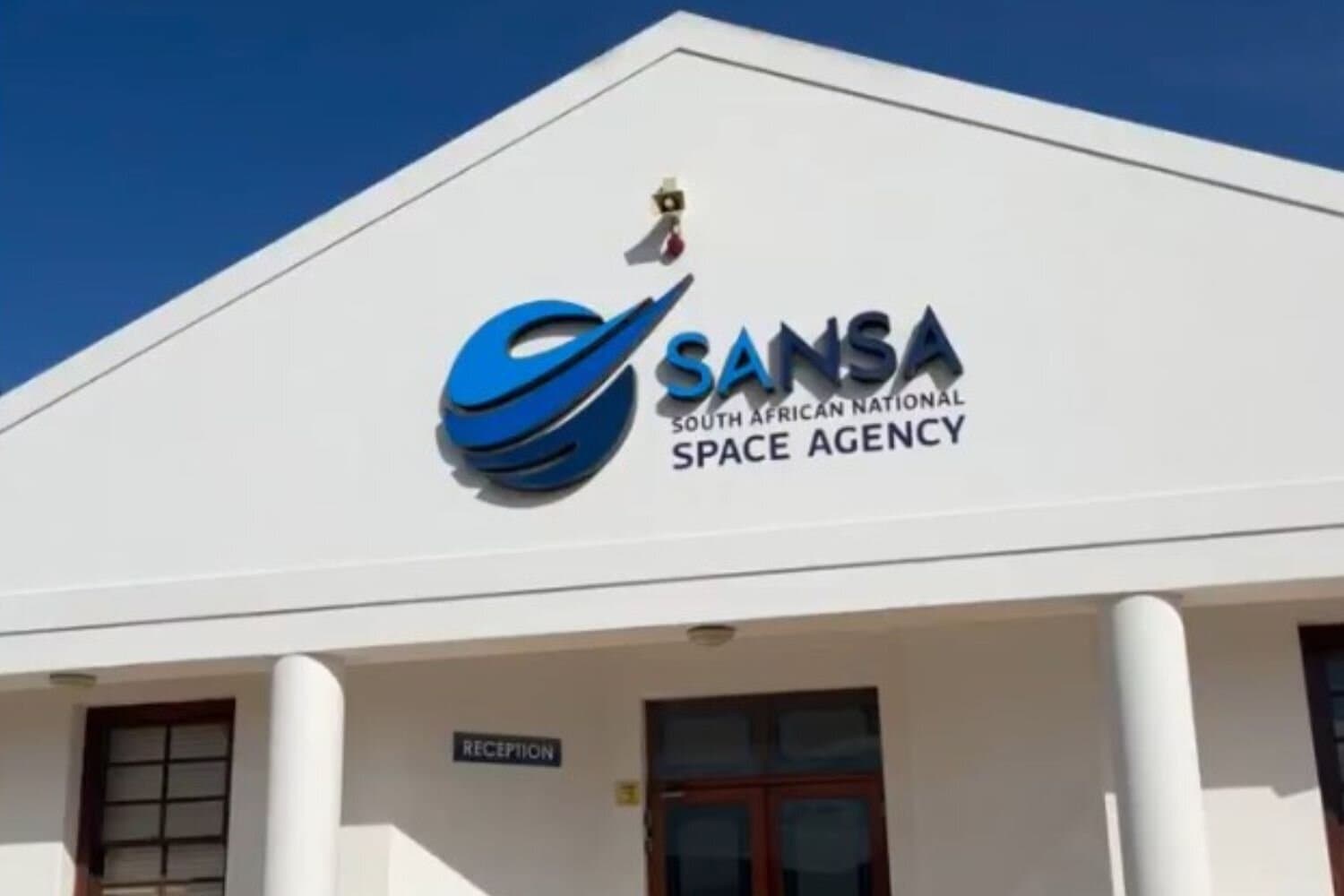
The South African National Space Agency (Sansa). Picture: Screengrab


A new peer-reviewed study analysing a decade of African space science research has revealed that South Africa continues to lead the African continent in scientific output.
From 2014 to 2023, Africa published 2 290 space science papers in recognised international journals, according to the research study.
Science publications
South Africa produced 936 of these publications, just over 40% of Africa’s total output, demonstrating the country’s strong scientific capability in this strategically important domain.
The study was conducted entirely by Nigerian researchers, providing independent and objective insight into South Africa’s performance in the broader African landscape.
ALSO READ: WATCH: SA’s first agriculture-focused microsatellite launched into orbit
SANSA
Within this national contribution, the South African National Space Agency (Sansa) stands out as a key driver of research excellence.
Across its space science and earth observation programmes, Sansa published about 352 research papers during the same decade.
This reflects more than one-third (37.6%) of South Africa’s total space science publications and over one in every seven (15.4%) of Africa’s space science research publications.
Publishers
Sansa said this contribution is particularly notable given its small cohort of publishing researchers, supported by technical, operations, engineering and administrative expertise across the agency.
“The research cohort has shown significant progress towards the transformation of the research group profile. Within the space science group, the gender balance has gone from eight men and only two women in 2014 to nine men and nine women by 2023.
“Furthermore, the research group consisted of six white, four black and one Indian researchers in 2014. By 2023, this shifted to 12 black, two Indian and four white researchers,” Sansa said.
Sansa added that it continues to support national objectives.
Studies
It said this is through high-impact research advancing space weather services, research supporting human capital development, satellite Earth observation, high-altitude atmospheric studies and innovation benefiting sectors including communications, infrastructure resilience, environmental monitoring and disaster response.
“This contributes to placing science, technology and innovation at the centre of government, education, industry and society,” Sansa said.
SA satellite
In April, Sansa said South Africa is shooting for space and is looking to launch its own geostationary satellite in the next five to seven years, which could be a huge boost for the country.
This is part of a multibillion-rand plan to plug connectivity holes in the country, increasing internet access for remote communities and reducing reliance on foreign communication services.
ALSO READ: Nasa invests in a deep space ground station in SA
Support Local Journalism
Add The Citizen as a Preferred Source on Google and follow us on Google News to see more of our trusted reporting in Google News and Top Stories.

