
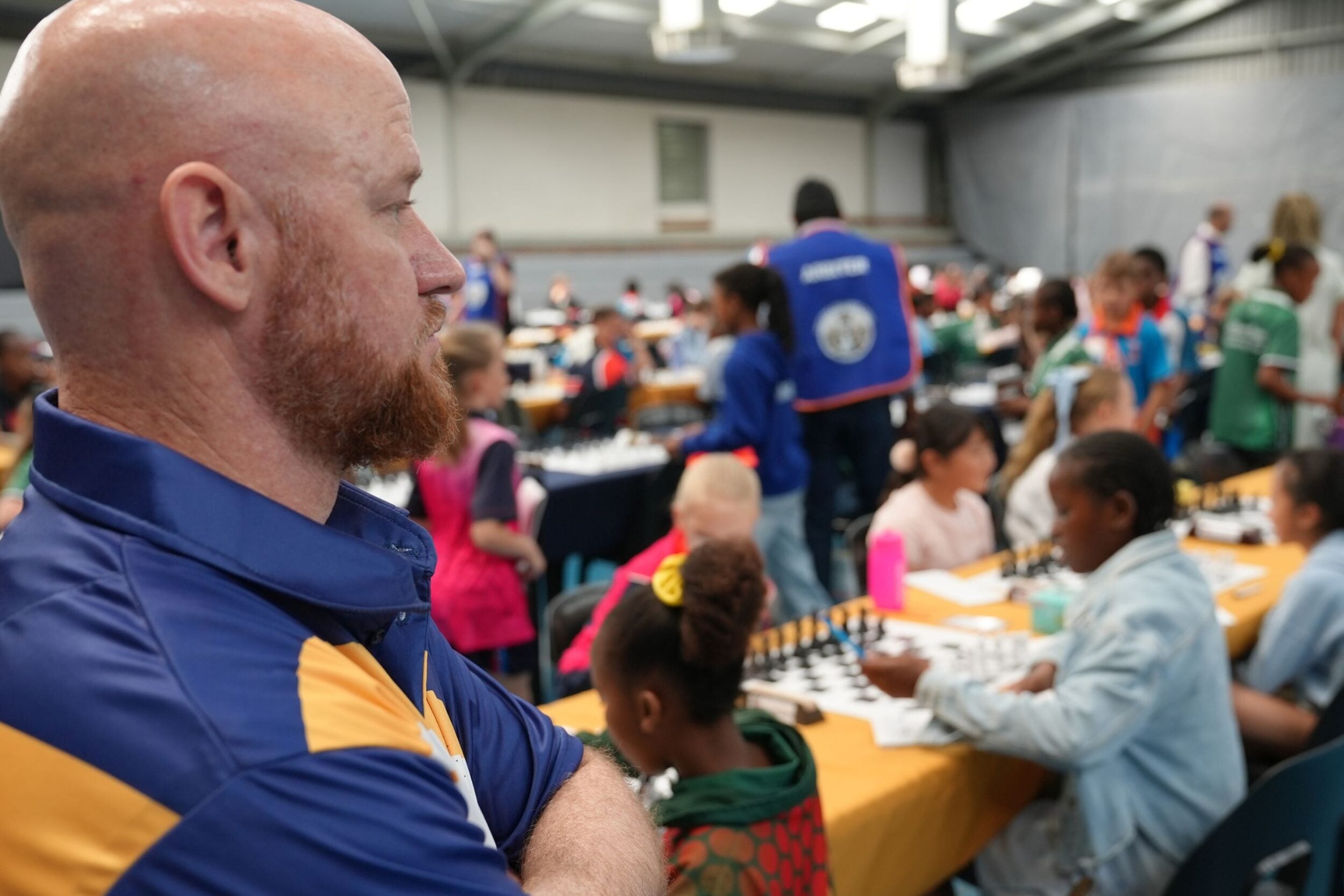
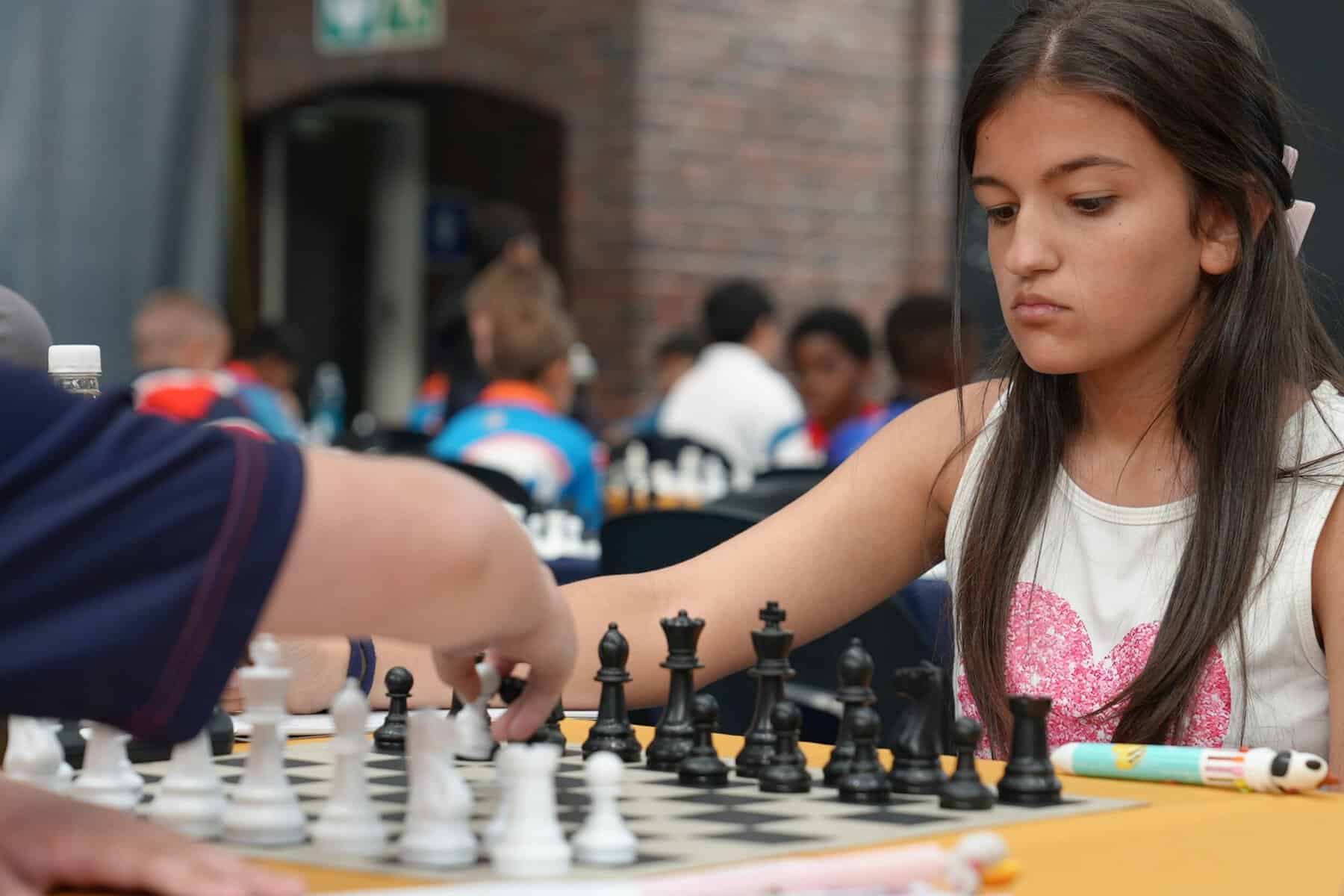
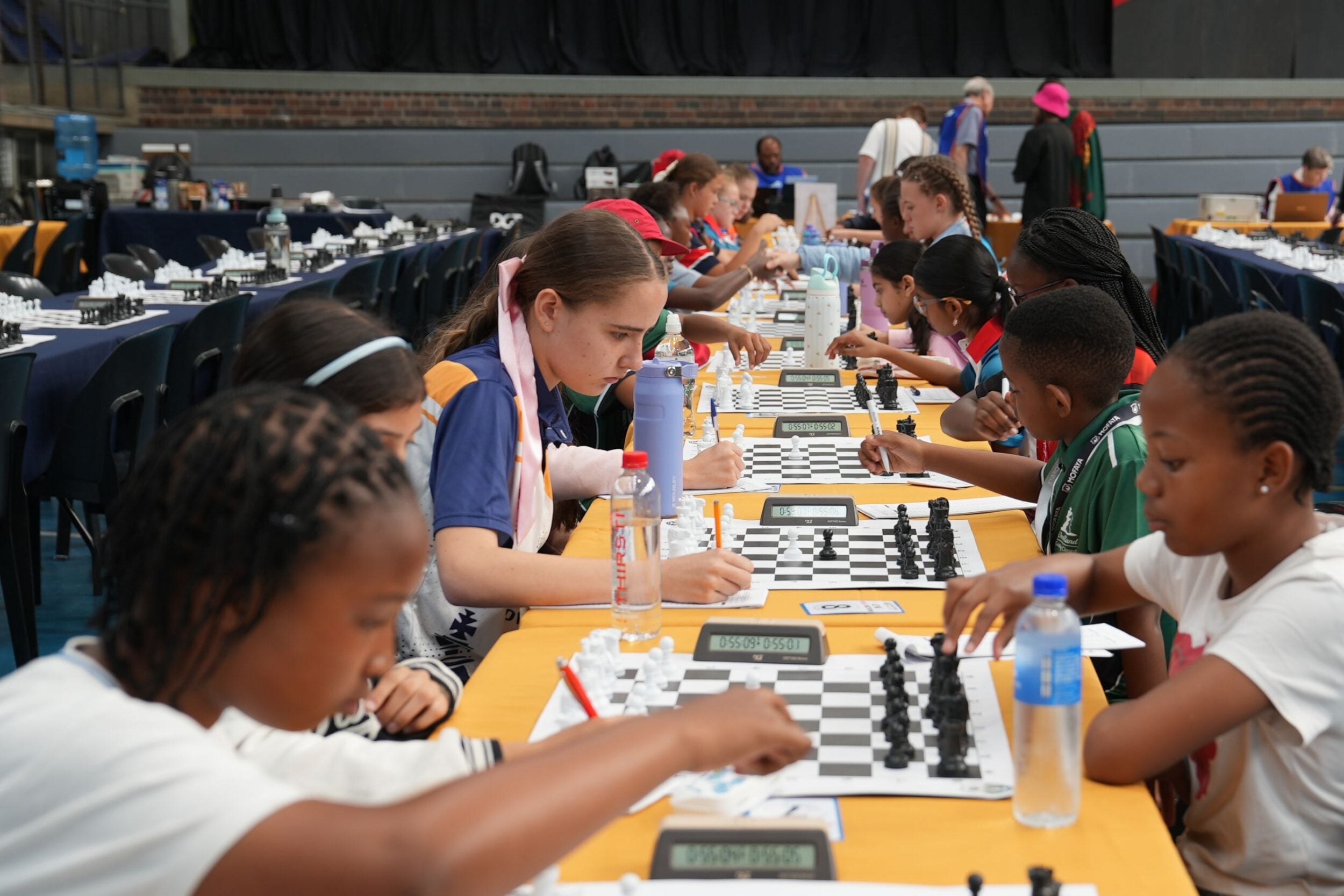
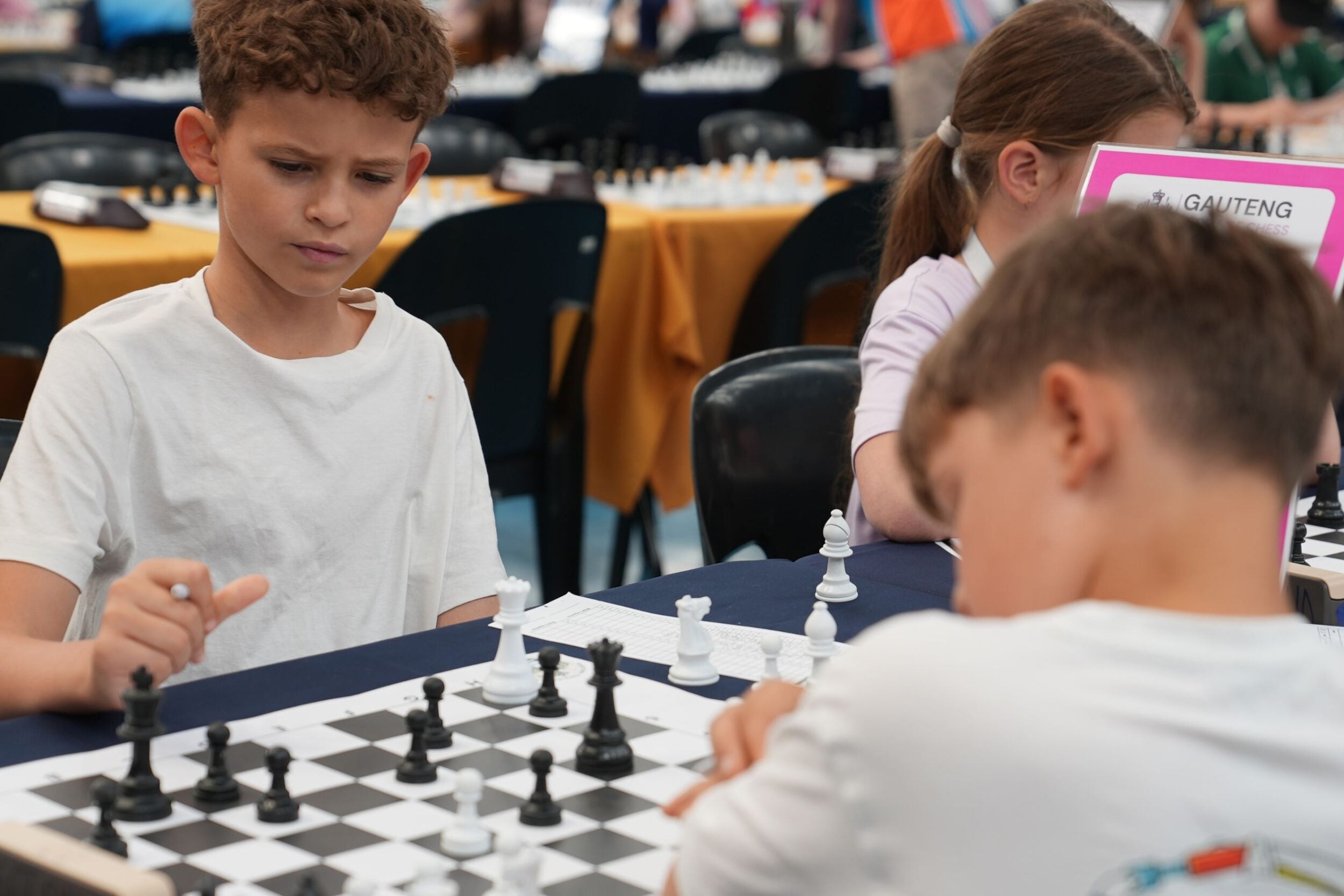
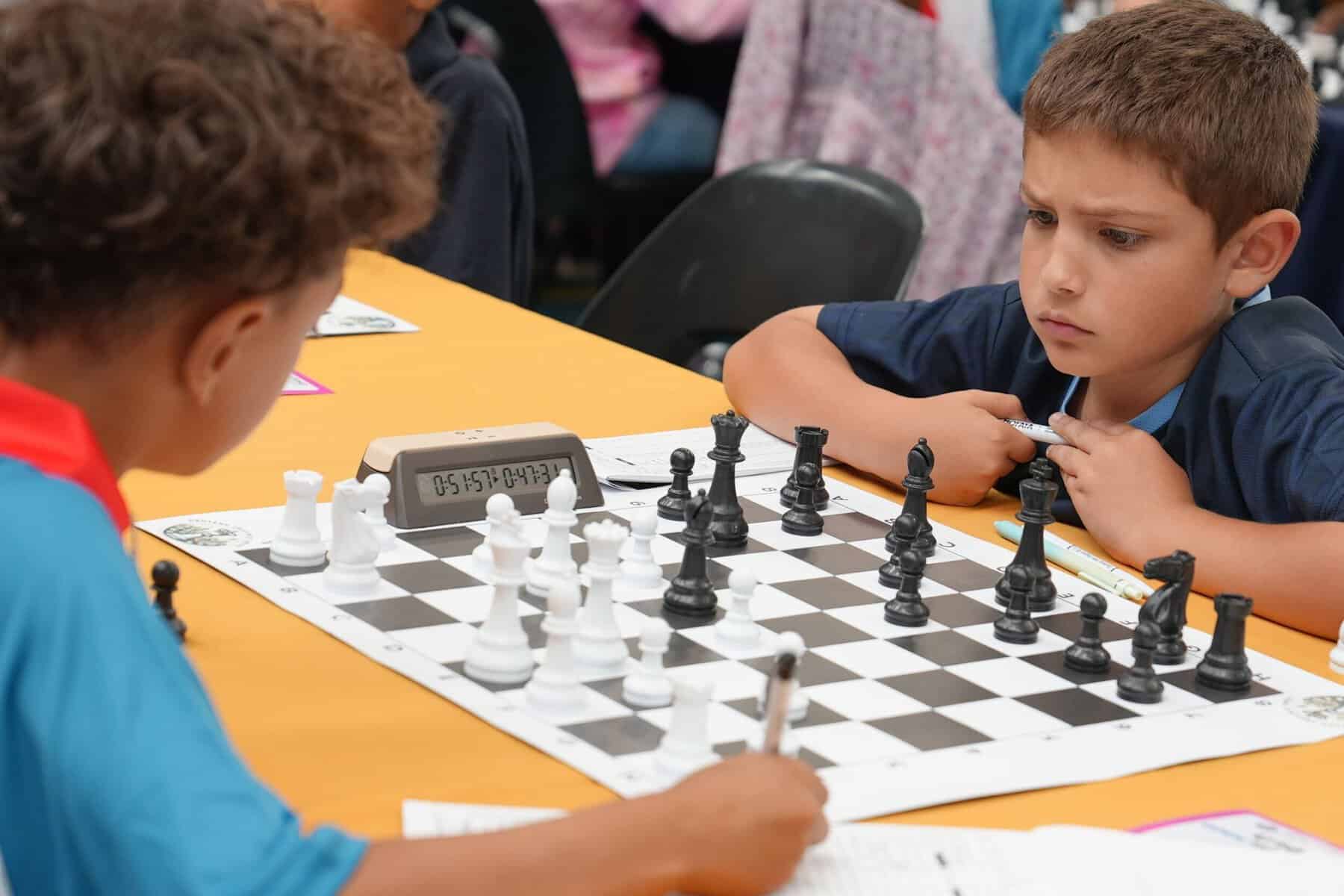
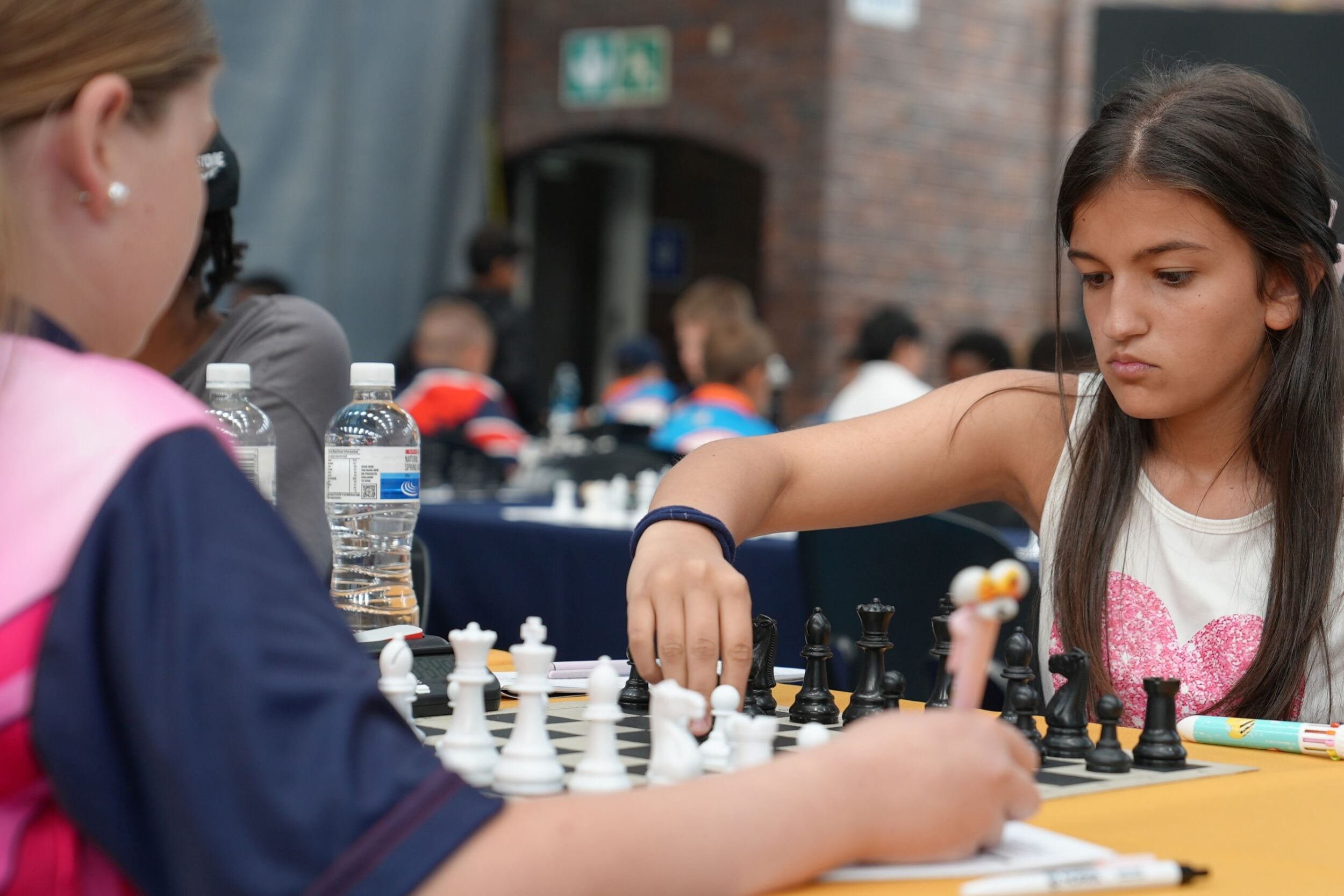
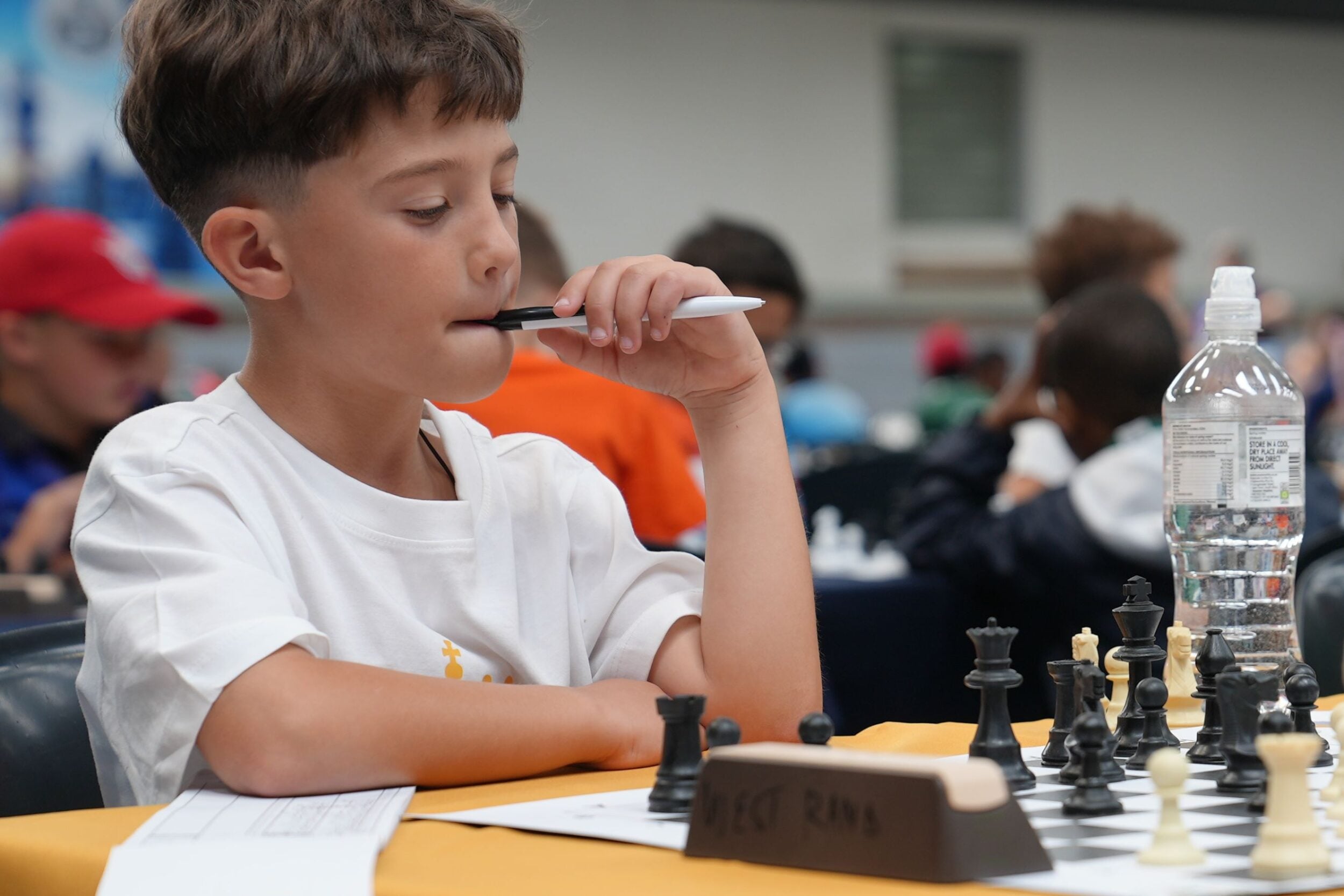
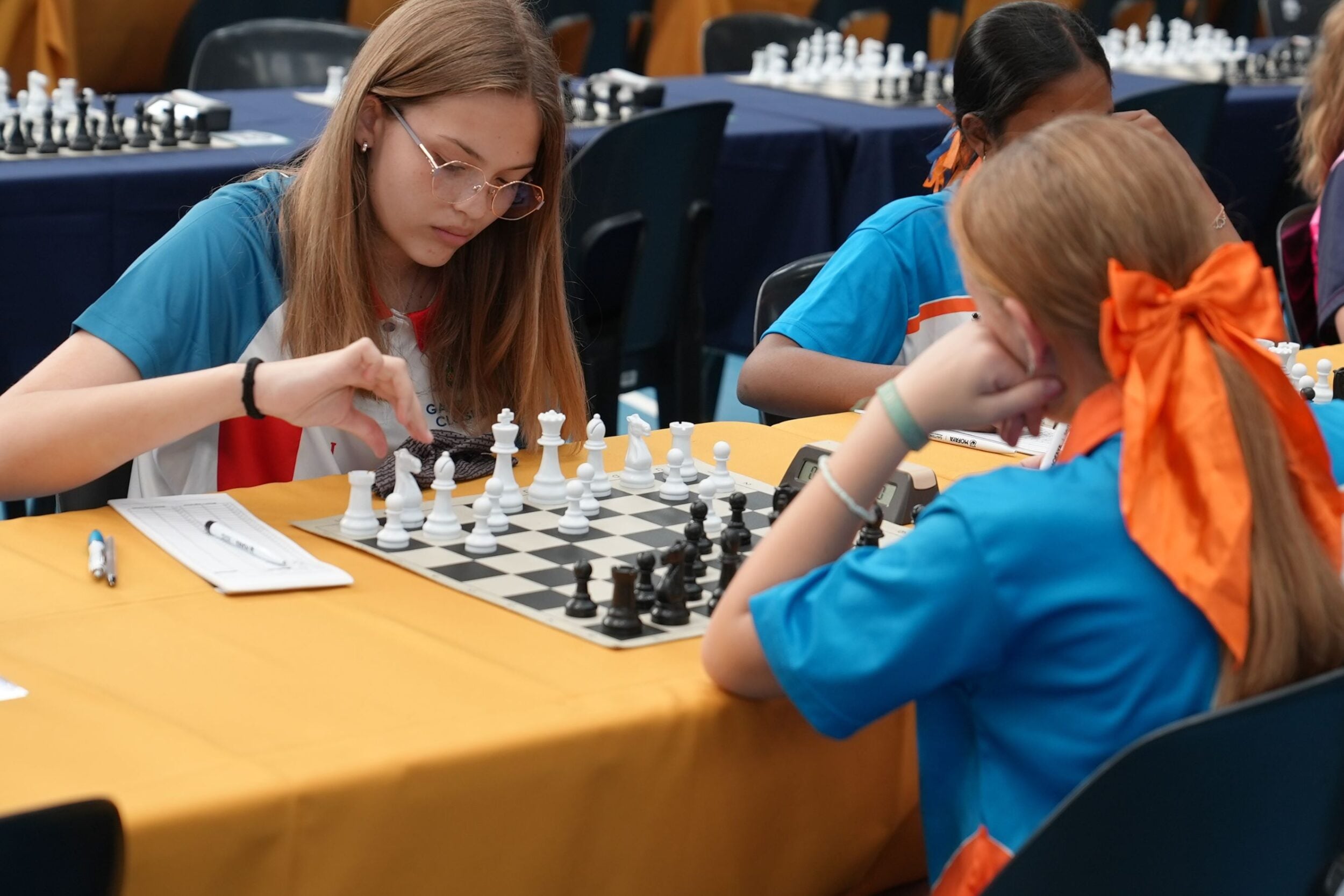
Hundreds of players between seven and 20 years old competed in five rounds of chess.
Junior chess is booming in Gauteng, with close to 2 000 players, parents, coaches and supporters gathering at St Dominic’s Catholic School for Girls in Boksburg on Saturday for the Gauteng Closed Chess Championships.
Hundreds of players between seven and 20 years old competed in five rounds of chess, hoping to secure places in the provincial team travelling to Bloemfontein for the Mzansi Youth Inter-Provincial Championships in December.
The turnout reflected the growing popularity of a sport that is attracting more children, schools, families and corporate sponsors.
Ridgewood College teacher and chess coach Melanide Griffiths said the growth had been extraordinary.
Five years ago, chess at the Benoni school attracted only a handful of pupils. Today, its players compete successfully against established teams across the province.
“When we started, we had almost no children playing chess and regularly finished last at tournaments. Today, we’re competing and winning tournaments. The growth has been phenomenal,” she said.
She said chess was also attracting children who might otherwise struggle to find their place in conventional school sports. Beyond building concentration and problem-solving skills, competitions encouraged independence and confidence.
“Once they’re sitting at that board, they’re completely on their own. There’s no parent or teacher to help them. They have to make their own decisions, solve problems and find the confidence to speak up when something isn’t right,” Griffiths said.
Chess coach and tournament arbiter Ncedo Buthelezi said the expanding tournament circuit was creating opportunities for young players to progress from school and community chess to provincial, national and international competition.
He said that he discovered chess while growing up in a township, where the game provided an escape from difficult surroundings.
“Chess teaches children to think critically and make decisions. But there’s also an important social element. When you play the game, it’s a dialogue. You make your move, and I have to wait and respect you,” he said.
Energy drink Mofaya’s Ronaldo Ferrinha said his son’s involvement in chess had introduced the family to a growing community of young players, parents, and coaches who spent much of their weekends at tournaments.
Watching his son compete also gave him a greater appreciation for the concentration and tactical thinking the game requires.
“As we attended more tournaments, we realised there was a great opportunity to get involved and interact with these children and their families,” he said.
Ferrinha said the number of families attending competitions had surprised him, with children spending entire days playing chess while parents gathered in groups to support them.
His own experience as a chess parent had drawn his attention to the scale of junior participation and the opportunities it presented for greater involvement in the game.