From Graskop to Mt Everest’s Base Camp
When asked whether they would be attempting to summit the "Peak of Heaven" next, Paul quipped, "I don't know, ask me in a month's time."
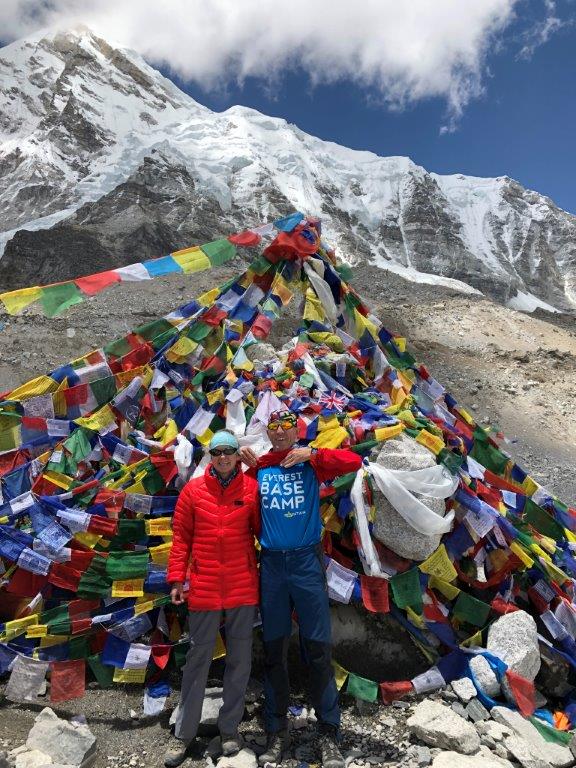
MBOMBELA – Getting to the summit of the famed Mount Everest in Nepal is torturous enough, but so is getting to the base camp.
This is according to local marathon runner, Paul Hatch (61) who made the trek with his wife, Irene (52), on May 12.
The adventure-loving Hatches call it “quite a hairy experience”.
They took off from Lukla Airport which is built into the side of the mountain with a sheer cliff face on one side.
“This means that the runway is about 535 metres long, making it the shortest and most dangerous in the world.”
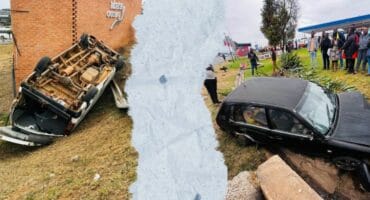
He described seeing the wreckage of a crashed aircraft and helicopter as they were taking off from the airfield.
The high altitudes and extreme cold temperatures take a severe toll on the body and acclimatising is punishing.
“I am a keen marathoner and on acclimatisation days, my body used more kilocalories than one loses in a half-marathon,” he said.
ALSO READ: UPDATE: Cub of leopard that killed toddler, also shot
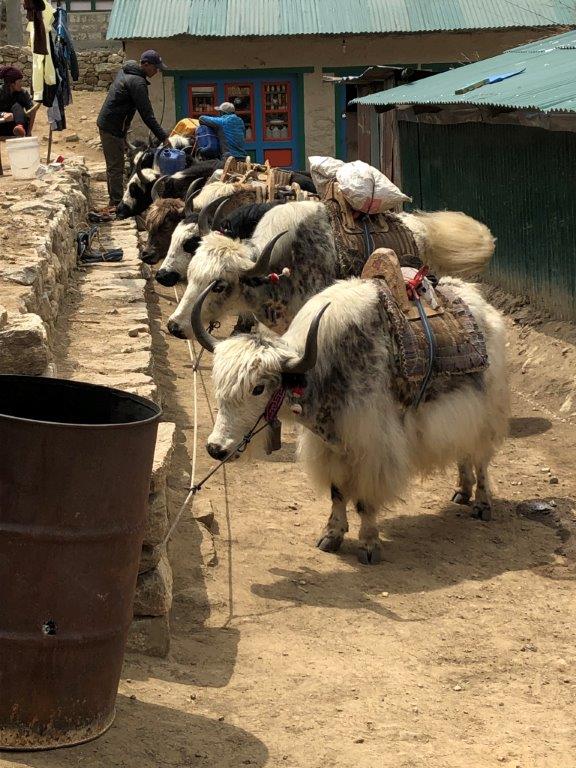
Between Irene and himself, the pair lost more than six kilograms. It was not easy going, and the expedition relied on local guides, known as Sherpas, and yaks to carry provisions and supplies up the steep slopes.
The rarefied air at such high altitudes meant that they had to take intermittent treks to counter the pressure of breathing such cold air on the lungs. This meant they had to endure walks which lasted hours and covered short distances all the while carrying their gear with the help of the Sherpas.
ALSO READ: BREAKING NEWS: ATM in Barberton blown up
An undertaking such as this is not without the risks inherent to high altitudes and Paul mentioned that climbers have to be very conscious about fluid build-up in the lungs which affects even healthy people at altitudes of 2 500 metres and upwards. The medical term is a high-altitude pulmonary edema, or HAPE for short. Travelling at high altitudes also increases the risk of contracting a high-altitude cerebral edema, which is fluid build-up in the brain, or HACE, to experienced climbers.
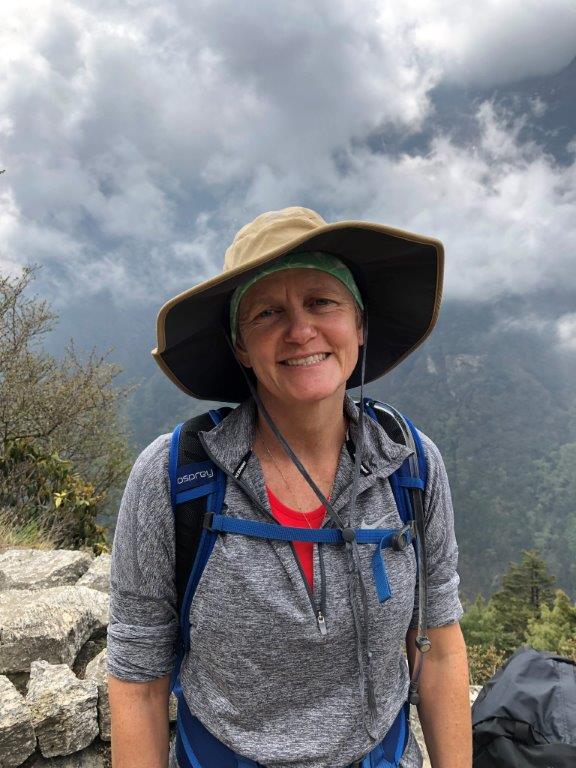
This is quite staggering to contend with, considering the elevation at base camp is 5 300 metres. All in all, it took them nine days to get to base camp and four days to return. The extreme cold weather meant that the expedition had to be outfitted with warm, breathable layers of clothing to prevent frostbite.
On the third day of their arrival, they trekked from Lukla to Phakding, covering a paltry six kilometres in three and a half hours. The rest of their itinerary was more of the same, with the distance decreasing the higher up they went.
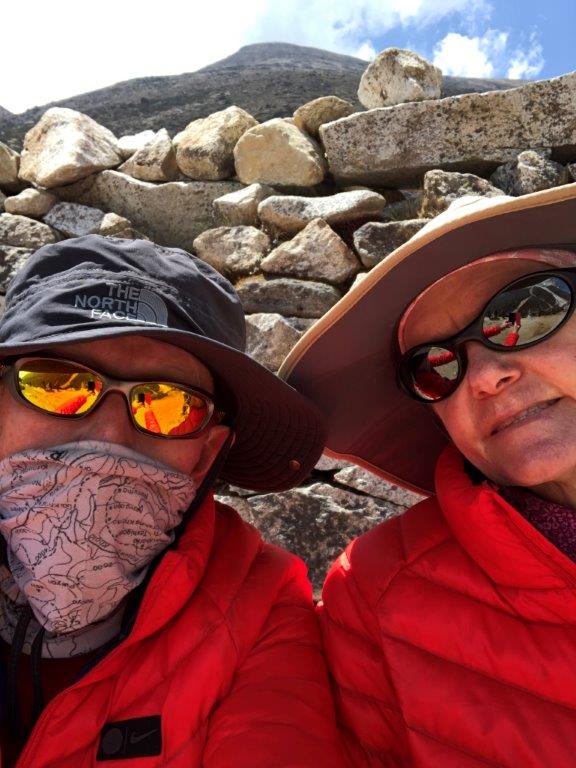
The group took a whole two days to reach Kathmandu after covering the 15-kilometre trek from Namche Bazaar to Lukla in seven hours. Their return to the Tea House along the route from Lukla to Phakding and Namche Bazaar to Dingboche, Gorak Shep, Kala Patthar and Pheriche before arriving at Kathmandu provided a brief respite from the icy cold. But they had reached base camp and bore the weight loss to prove it.
ALSO READ: Mpumalanga MEC condemns recent killings of women in the province
The harsh conditions claimed several lives during their journey. “By the time we got to base camp, five people had died, bringing the total to 10.”
The intrepid adventurer blames this on overlicensing, adding that the season had finished last Monday, but that there was still a huge push to get first-timers to the summit.
“The Nepalese government needs to stop issuing too many licences, because the ice starts melting and the queues are longer which creates terrible conditions for novice climbers.”
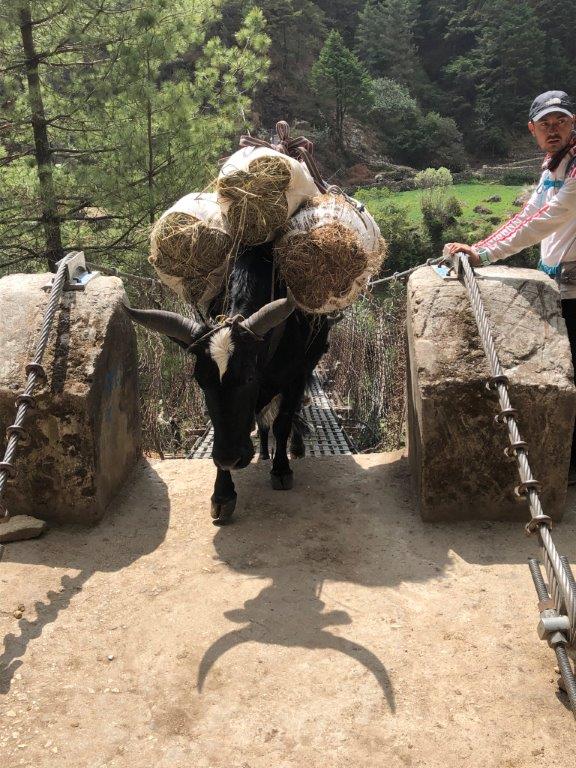
Still, the Graskop residents could not help but be swept away by the breathtaking scenery.
“We passed through Namche Bazaar and stayed in tea houses and I must add that it still is one of the most beautiful places on earth,” Paul said.
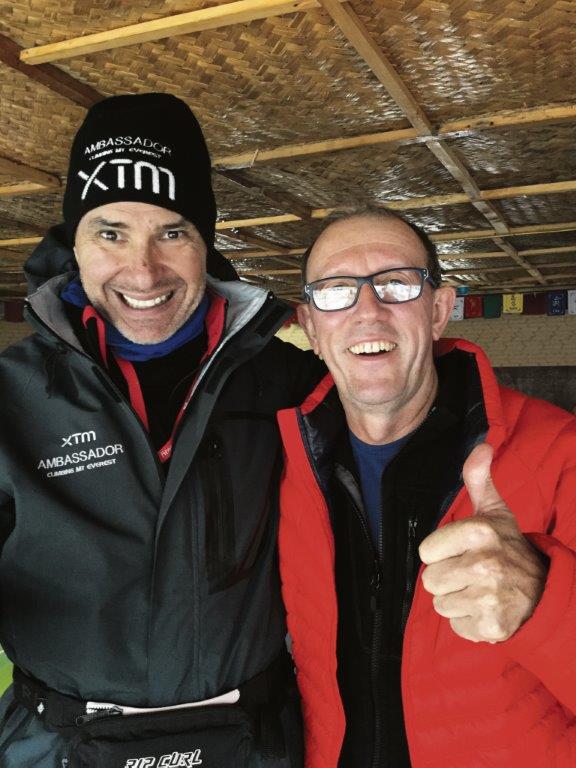
The couple also met famed disabled extreme sports enthusiast Bobby Bajram (53), who holds the distinction of being the youngest Australian diagnosed with multiple sclerosis (MS).
ALSO READ: Rob Ferreira Hospital denies withholding care
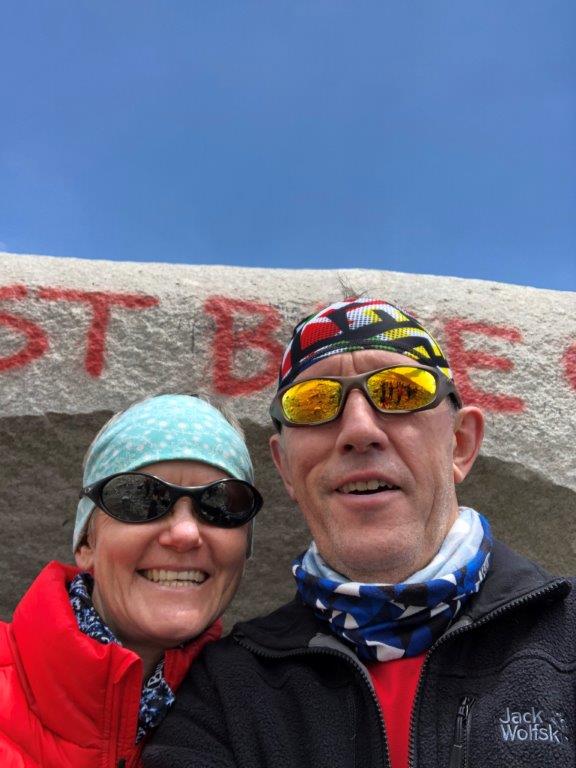
This climbing season Bajram completed “The Triple” by climbing Everest Base Camp, Mount Kala Patthar and Mount Lobuche East, which is a total of 17 143 metres.
He intends climbing Everest next year to raise awareness for people living with MS and to motivate and inspire other disabled athletes the world over that anything is possible.
When asked whether they would be attempting to summit the “Peak of Heaven” next, Paul quipped, “I don’t know, ask me in a month’s time.”