GALLERY: The Olifants River is in trouble
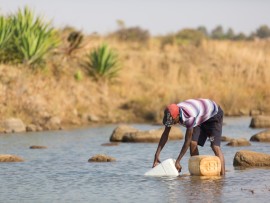
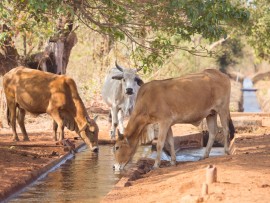
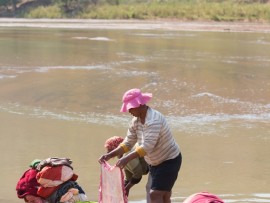
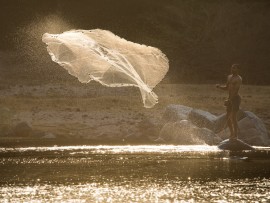
Many communities as well as the tourism and business sectors depend on the Olifants River, but the water body is in danger or drying up unless action is taken soon.
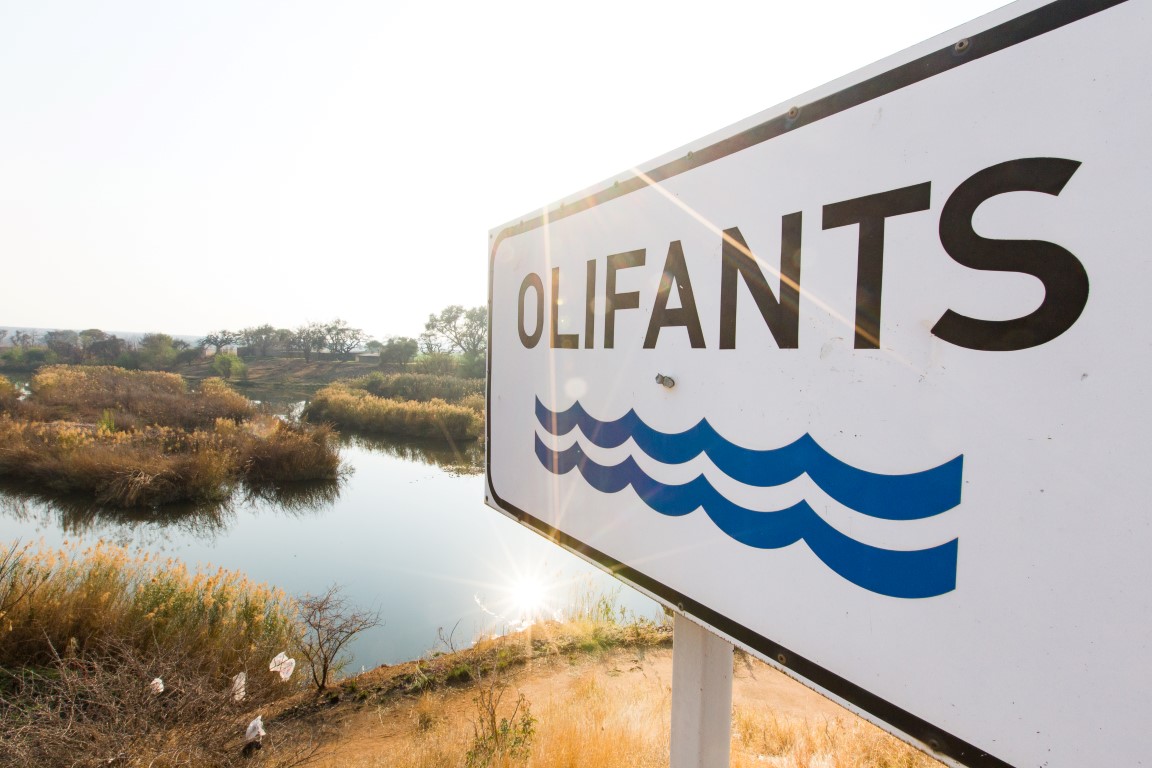
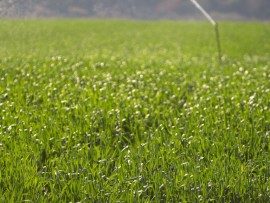
The Olifants River is home to the second-biggest irrigation scheme in South Africa which means it plays a crucial role in the water and food security of the country. It is also responsible for much of the energy generation.
Sadly, it is severely degraded and in danger of permanently drying up. For the past few years, the river has stopped flowing which means that “too much water is being taken out and not enough is going back in”, says Mr Derick du Toit of the Association for Water and Rural Development (AWARD).
The non-profit organisation works with people of the local communities, government and institutions to try to understand natural resource systems such as water and the livelihoods of all stakeholders concerned.
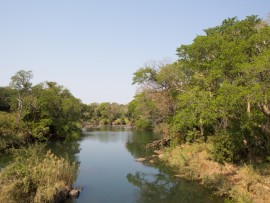
The Olifants River runs through the Kruger National Park. Many sectors – including coal, electricity, agriculture and tourism – use water from the Olifants but these competing demands are increasing the risk to the water system.
Also watch: VIDEO: Desperate hippo bites Land Rover
AWARD, which has worked with many of the Lowveld rivers, has been given a grant from the United States Agency for International Development to look into the important water systems in Africa, of which the Limpopo River is one. The Olifants contributes 40 per cent of the water to the Limpopo Basin.
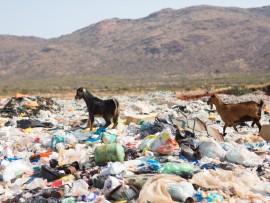
Du Toit cites three main reasons why the river is at risk; water quantity, quality and management. He says there is simply not enough water in the river to sustain all individuals and companies who take from it, and the water quality is not nearly as good as it should be.
“Whatever is going down the river is worse than it was before. This could be due to the agricultural chemicals being swept into the river after rain, and domestic sewerage among others,” Du Toit explains.
“The third issue is management. Are we able to regulate which people use the river, who has licences for taking water from it or who gets to put waste into the water? In the end, if something does not work, we all carry the cost. That is what is happening with the Olifants River.”
With this photo essay, AWARD hopes to create awareness among all people who benefit from or depend on the river for survival. Photos: Villiers Steyn

To check out more Lowvelder galleries, click here.