NELSPRUIT – The architects who will design the University of Mpumalanga have been chosen. To select the four firms which will collaborate to design the first university to be located in the province, the Department of Higher Education and Training (DHET) launched an extensive design competition.
“We looked for a group to give the university an iconic identity and well-integrated academic facilities,” explained Ms Sithabile Mathe, the adjudicator of the seven-judge panel.
Cohen and Garson, Conco Bryan Architects, Gapp Architects and Urban Designers, and TC Design Group emerged as the winners from the final seven architects that had made submissions. The competition administrator, Prof Paul Kotze of the University of the Witwatersrand’s School of Architecture, was impressed by their work.
“When I looked at the work exhibited I am extremely proud to be part of this profession,” he said. “The quality is absolutely remarkable.”
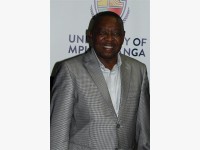
To further emphasise the importance of one of only two universities to be built since democracy was achieved nearly 20 years ago, the DHET attended in full force. Dr Blade Nzimande, minister, Mr Mdudzi Manana, deputy minister, Mr Gwebinkundla Qonde, director general, and Ms Diane Parker, deputy director general were present at the gala evening at the Lowveld Agricultural College on Wednesday evening. They were also in town to attend the official launch held the following day, also at the college, where the main campus would be situated.
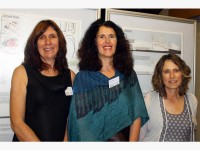
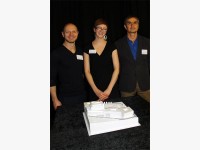
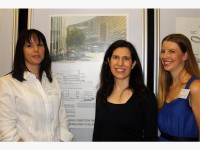
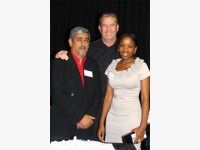
The participants were tasked with designing this campus and the buildings overlooking the central public square and lawns. The department emphasised that it was looking for an iconic building “to stand as a symbol of the ambitions of South Africa’s new society”.
Dr David Mabunda, the chairman of the university’s interim council, said they hoped to produce graduates who would be able to create jobs. He also said it was the responsibility of the entire society to contribute to making the university a reality.
“It is not the government’s job alone to drive the higher-education bus,” he said. “It is up to all of us, in our entirety. We look forward to working with every stakeholder in our province.”
Despite the high quality of the designs, Mathe said not one solved all the spatial challenges posed by the site, which include agricultural fields, hills and waterways. To achieve this lofty ideal, the 11-man team wouuld work together over the next three years to design the various buildings that would form the multicampus university, which was expected to begin operations at the beginning of 2015.