Kruger Park celebrates centenary with informative webinar series
The webinar series aims to bring insight into the park’s history, conservation and challenges that have risen since 1926.
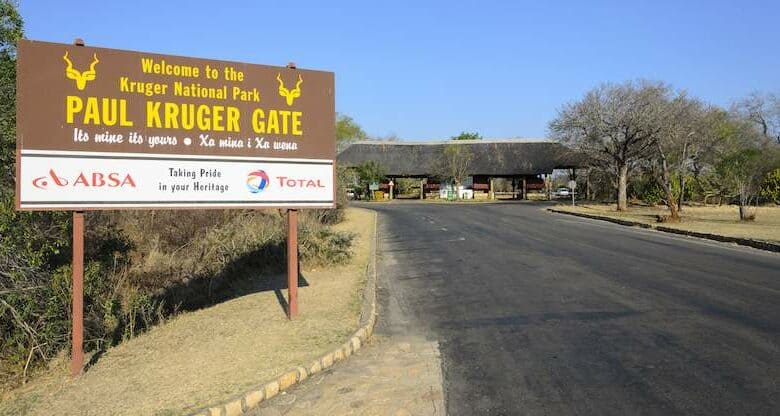
The world-renowned Kruger National Park (KNP) will celebrate its centenary on May 31. Building up to the anniversary, SANParks is conducting a webinar series between March and September.
The first webinar, on March 19, focused on conservation in the KNP and the advantages of an embedded research unit.
The second, on March 26, addressed the topic of people in the KNP landscape, historical and current connections, influence, rights and value, reflecting on historic human habitation in the Lowveld and how the establishment of the park changed that.
It explored how the KNP Socio-economic Transformation Department (SETD) came about, insights into the resulting land claims settlement processes, and key focus areas such as environmental education and outreach, economic empowerment, and human-wildlife conflict engagements.
Speakers included SETD general manager Dr Constance Mafuwane and KNP social ecologist Jeremiah Machavi.
Machavi highlighted that the park engages with traditional leadership and healers of adjacent communities, local municipalities and farmers, and implements educational awareness campaigns that expose young people to the tourism and conservation industries.
ALSO READ: New 24-hour security team deployed to safeguard KNP route
He outlined several challenges faced by communities situated at the borders of the park, such as crop damage, livestock loss and water pollution. He noted that the park is actively addressing challenges such as boundary fencing being destroyed by elephants, illegal hunting, poaching, and snares.
“We are collaborating with farmers for compensation of livestock loss. We recorded the highest compensation payouts of about R500 000 in 2008. Overall, our educational projects have shown great improvement in wildlife conflicts with residents.”
He said more community projects have been established not only as a response, but to alleviate unemployment.
The webinar unpacked how embedded research units strengthen conservation outcomes to support evidence-based decision-making, adaptive management and long-term ecological sustainability.
Experts shared insights into the integration of science and park management; how research informs conservation strategies; the benefits of having on-site scientific expertise; and lessons from one of Africa’s most iconic protected areas.
ALSO READ: Kruger National Park battles blaze at Lower Sabie shop
The third series, conducted on April 8, reflected on some of the ways in which natural resources in the KNP landscape have been used over time. From as early as the stone age, people have relied on natural resources for protein, economies, agriculture, construction, medicine, spiritual needs and recreation. People are intertwined with ecosystems and ecosystems have shaped people.
Experts discussed the history and associated opportunities in the context of social-ecological system resilience.
An endangered species, the pepper-bark tree, which is now only found in the KNP, came under discussion. The trees in the park are monitored by staff botanists. Their biggest threat is overharvesting by commercial traders and traditional healers, who use them to produce medicinal remedies.