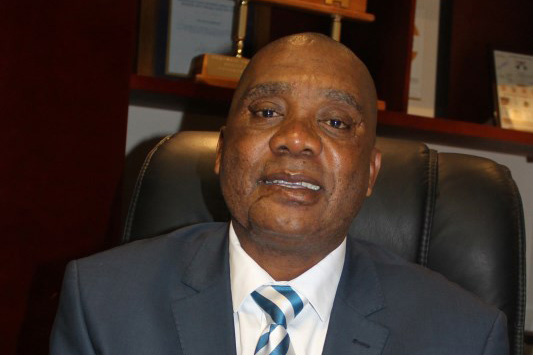
MBOMBELA – The newly appointed MEC for the provincial Department of Health, Mr Gillion Mashego, concedes that he is not a medical doctor. Yet, he says he boasts a wealth of experience in politics and administration.
“I bring two elements to this appointment,” he told Lowvelder on Thursday. “I have been a public servant where I engaged in administrative implementation and I am the regional chairman of the ANC’s Bohlabela regional branch. Combining these elements is a strength.”
According to Mashego, Mpumalanga’s biggest problem is that 88 per cent of approximately four million citizens do not have medical aid. Since these funds are also sometimes limited and can become exhausted, the percentage is even higher in practice.
“We also need to mobilise people to understand not to go directly to (tertiary) hospitals but to start seeking treatment at clinics. This will minimise the demand and address overcrowding in hospitals.”
Yet, a moratorium has been imposed on the hiring of health-care workers, causing clinics to be understaffed and hence not operational for the full hours they are supposed to be. Mashego says he has not determined whether understaffed clinics discourage people from seeking help there. He says he intends to do this and ascertain if the budget allows hiring more staff.
Posts already budgeted for, like that of an orthopaedic surgeon, which will become available at Rob Ferreira Hospital by the end of the month, are being prioritised according to the department. It has embarked on a headhunt to replace the surgeon who has resigned. His absence will reportedly leave only one of his profession in public hospitals in the province. “We have to look at the root causes of why specialists are not staying. We must detect this and developed a strategy to retain and attract them.”
Mashego says the health department deals with human error. He wants staff to be worried that patients are waiting and take the responsibility to do their jobs effectively, whether they attend to a patient, replenish supplies, or clean. Staff attitude, waiting times, cleanliness, patient safety, infection control and the availability of medicines and supplies are to be improved but it won’t happen overnight. He says feedback from patients during his visits to health-care facilities, has been positive. “We can still improve.”
He intends to be an on-the-ground MEC. “I am not going to sit in the office. Service delivery is in the coal face.”
At the moment the department’s finances fall directly under the provincial treasury’s supervision since it intervened last year and is to remain so until at least the end of this month. Premier Mr David Mabuza has also said that the department’s budget will be increased this financial year to help it cope.
Mashego couldn’t say whether the curatorship would continue. However, he said, “When you have accruals, something is not being done properly. When the treasury gets involved, systems are not being followed. We have to determine the cost and decide on remedial actions. I will check what contributed to this but I cannot pre-empt any action I might take (against managers).”
Read more on the provincial Department of Health here.