Rhino population in Kruger has stabilised
This means that poaching, natural deaths and the translocation of rhino from Kruger presently match that of rhino births
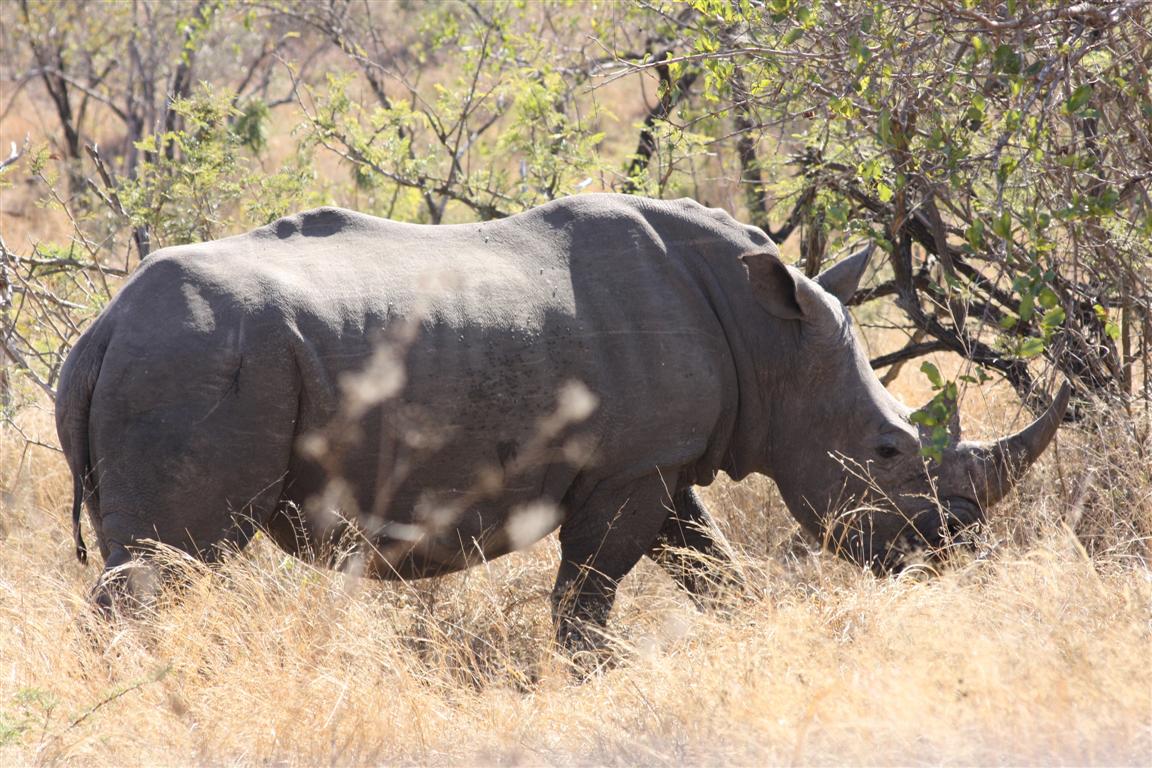
PRETORIA – The rhino population in the Kruger National Park (KNP) has stabilised.
This is according to Minister of Environmental Affairs, Ms Edna Molewa, who briefed media in Gauteng this morning on the implementation of integrated strategic management of rhino in the country.
This means that poaching, natural deaths and the translocation of rhino from Kruger presently match that of rhino births.
According to a census conducted in Kruger last year, there are currently between 8 400 and 9 600 white rhinos in the park.
She confirmed that rhino will be translocated from the park in effort to protect them from poachers.
Other interventions that will be implemented include:
• Compulsory interventions: pro-active anti-poaching initiatives, the implementation and improvement of actionable intelligence as well as the introduction of responsive legislation and policy amendments to address rhino poaching. Other interventions include continued efforts to increase rhino numbers through, for example, translocation to low risk areas, range- and population expansion.
• Increasing rhino numbers: the biological management of rhino is the key focus of the Integrated Strategic Management approach. This includes ecological management of rhino habitat, such as water distribution and fire regimes, that are fundamental to the ecological management of protected areas.
An additional action is the translocation of rhino from areas where rhinos are threatened, as well as areas where environmental conditions and high rhino densities restrict breeding and increase mortalities.
Translocated rhinos contribute to the creation of alternative strongholds, which are areas where rhinos can be cost-effectively protected while applying conservation husbandry to maximize population growth.
South Africa is considering a range of rhino strongholds inclusive of South African national parks, provincial reserves, communal areas and private reserves. South Africa also recognizes international opportunities for establishing rhino strongholds in neighbouring countries in Southern Africa.
• International and national collaboration and cooperation: Interventions on international collaboration will further strengthen efforts to address not only rhino poaching, but illegal wildlife trade in general. It is internationally acknowledged that illegal wildlife trade results in devastating impacts on species, ecosystems, sustainable livelihoods, economies, and national and regional security.
Collaboration between range, transit and consumer States is therefore essential to address this challenge effectively. Several Memorandums of Understanding have already been concluded by the Department of Environmental Affairs. There is, however, a need to accelerate co-operation with key identified countries.
• Long term sustainability measures: Cabinet authorised the department in July last year to explore the feasibility of possible trade in rhino horn, or not. There is no final decision on this matter as Cabinet has established an Inter-Ministerial Committee and a Panel of Experts to consider all possibilities.